
GUT MICROBIOTA: UNDERSTANDING ITS ROLE, KEY LEVERS, AND TRENDS TRANSFORMING DIGESTIVE HEALTH

The gut microbiota is at the center of a quiet revolution, reshaping our eating habits, wellness expectations, and the food industry’s offerings. As research confirms its central role in overall health, consumers are increasingly turning to foods and supplements that support gut health: probiotics, prebiotics, postbiotics, fermented foods, fiber-rich products, and more.
The microbiome market is experiencing a real boom, accompanied by evolving nutritional guidelines and regulations.
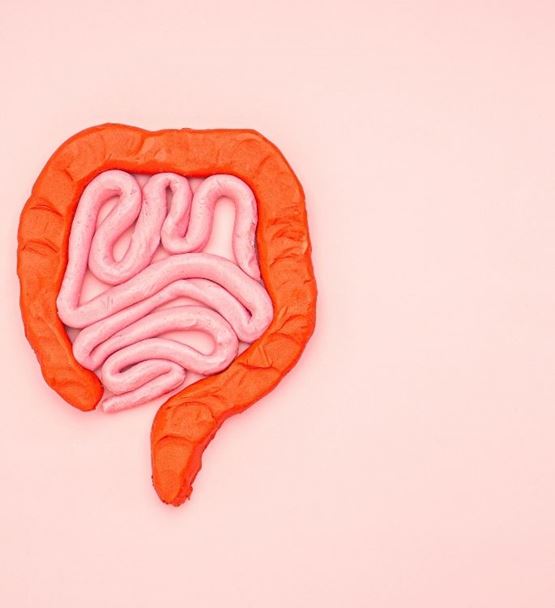
The crucial role of gut microbiota
The human body hosts several microbiomes, but the densest is the gut microbiota, found in the stomach, small intestine, and colon. Also called the intestinal flora, it consists of microorganisms including bacteria, viruses, yeasts, and fungi.
The gut microbiota plays an essential role in:
- Digesting food
- Synthesizing vitamins
- Regulating the immune system
- Protecting against pathogens
It is extremely diverse, with more than 10,000 billion different species identified. Its balance depends on diet, lifestyle, medications, diseases, and stress.
A balanced microbiota: the key to optimal health
According to INRAE, intestinal dysbiosis—a low bacterial diversity—is linked to various disorders:
- Immune-related
- Inflammatory
- Allergic
- Metabolic (including obesity)
A microbiota rich in beneficial bacteria improves nutrient absorption, digestion, and metabolism.
The gut-brain axis is also well established: the microbiota contributes to neurotransmitter synthesis, including serotonin, which regulates mood. Dysbiosis can limit the precursors needed for serotonin production, potentially leading to mood disorders, including depression.
How to optimize your microbiota: the key role of diet
Diet directly influences microbiota balance, nourishing and regulating billions of gut bacteria. Other environmental factors—stress, sleep, physical activity—also play a role.
Prebiotics, probiotics, and postbiotics: a winning trio
- Probiotics
Probiotics are live microorganisms (bacteria and yeasts) naturally found in fermented foods:
- Kefir
- Yogurt
- Sauerkraut
- Blue cheeses (e.g., Roquefort)
They are also found in supplements and fortified foods. Probiotic bacteria mainly belong to four genera:
- Lactobacillus
- Bifidobacterium
- Streptococcus
- Lactococcus
Their role is to enrich the gut flora, fight pathogenic bacteria, and strengthen immunity (FAO/WHO).
- Prebiotics
Prebiotics are fermentable fibers that feed beneficial bacteria in the gut. Naturally found in foods such as bananas, asparagus, Jerusalem artichokes, onions, wheat, and oats, they help:
- Regulate blood sugar
- Improve digestion
- Support immunity
- Increase beneficial bacteria
Products combining prebiotics and probiotics are called symbiotics.
- Postbiotics
Postbiotics are inactive compounds produced by microorganisms (SCFAs, peptides, enzymes). They are found in infant formula, supplements, and some digestive medications. Omega-3 fatty acids also support gut microbiota balance and are found in fish, canola oil, and nuts.
Nutritional recommendations and regulations
- 25–30 g of fiber per day and approximately 22 g of legumes twice a week
- Limiting animal proteins to 0.83 g/kg/day
- Prioritizing fresh or frozen fruits and vegetables, legumes (fresh, dried, or canned), and whole grains
- Avoiding ultra-processed foods (high additives, low nutritional value)
- Choosing organic to reduce pesticide exposure
Strict regulations govern the market
EU Regulation 178/2022 sets protocols for assessing microbial risks. In France, the term “probiotic” is authorized for dietary supplements (DGCCRF, 12/19/2022). Supplements must provide 10⁷ to 10⁹ live cells per day to be effective. It is prohibited to claim on packaging that products “strengthen” or “increase” the microbiota.
Supplementation may be recommended in situations such as:
Antibiotic use
Digestive disorders
Weakened immunity
Metabolic diseases
Mood disorders
Children under 3 years
General population
Gut microbiota and environment: a sensitive ecosystem
The microbiota is influenced by:
- Chronic stress → risk of depression → meditation or yoga recommended
- Insufficient sleep → microbiota imbalance
- Regular physical activity → reduced inflammation and stronger microbiota
Consumer trends
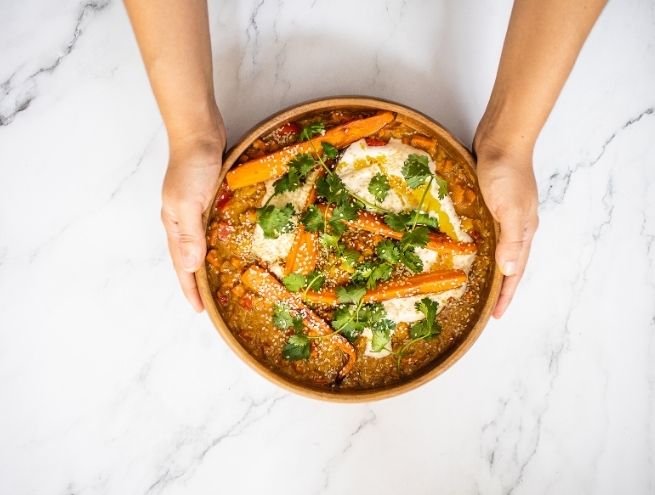
Modern consumers seek natural, effective solutions for gut health. They favor simple, minimally processed foods rich in probiotics, prebiotics, and postbiotics.
A typical consumer profile: woman, 42 years old, in a relationship, with children, conscious of family health and aware of probiotic benefits.
Market analysis: a rapidly expanding sector
The market for microbiota-friendly products has grown significantly since the 20th century, including fermented milks, fermented drinks (kefir, kombucha), fiber-rich foods, and supplements.
Major players: Danone, Pepsico, Yakult, Bio-K+, Daflorn
In Europe, demand is driven by products supporting immunity and digestion.
In France, 66% of consumers prioritize digestive benefits, and 23% prioritize immune benefits. Supplements are mostly purchased in pharmacies.
The International Probiotics Association (IPA) ensures global safety and efficacy of probiotics.
Innovation, science, and new formulations
The growth of the microbiome market is largely driven by intensified research and development efforts. Companies are increasingly collaborating with scientific institutes, foodtech start-ups, and specialized laboratories to develop more targeted and scientifically validated formulations.
The trend is moving towards personalization: some brands are already exploring nutritional solutions tailored to individual microbiome profiles, paving the way for customized nutrition.
At the same time, innovation focuses on formats – beverages, snacks, powders, gummies – to make it easier for consumers to integrate these products into their daily routines without excessive medicalization or complexity. This convergence of science, nutrition, and user experience is helping to democratize access to microbiome-supporting solutions.
Recent research also explores how specific strains of beneficial bacteria can be delivered more effectively to the small intestine, where they exert their most significant effects. This allows companies to formulate products that are not only more targeted but also capable of providing measurable health benefits throughout the digestive system.
The convergence of personalized nutrition, functional foods, and evidence-based science has created opportunities for new product formats that integrate fruits and vegetables with prebiotics, probiotics, and postbiotics, enhancing both consumer convenience and microbial health.

Product examples and trends
Biotic Drinks
- MIGHTY POP (Puerto Rico): organic soda with 1 billion cultures, pre/pro/postbiotics
- OOME Marineplant (USA): fruit and marine plant drink rich in soluble and insoluble fibers, high in prebiotics
Snacks
- NUTRIPOP (Chile): puffed snacks enriched with probiotics
- Spark Bites (USA): prebiotic-rich snacks, allergen-free
Diverse Fortified Products
- Biora Kombucha Dressing (Canada): kombucha-based dressing, source of pre & postbiotics
- B-JAPI (Chile): mini dark chocolate with 500 million probiotics per piece
Immune-Boosting Products
- Good Culture Probiotic (USA): milk enriched with probiotics and vitamin D, 1 billion per serving
- Alive Holistic Drink (Austria): fermented red fruit drink rich in probiotics, prebiotics, and beta-glucans
 Bjapi chocolate bitter
 Mighty pop orange
 Alive fermented holistic drink
 Oome Marineplant based fruit infusion
 Good culture probiotic whole milk lactose free
 Biora Organic kombucha
 Nutripop
 Spark bites - Prebiotic energy snack red beet
Gut microbiota essentials
-
What types of products support gut microbiota health?Fermented milks, drinks like kefir and kombucha, fiber-rich foods, and dietary supplements with prebiotics, probiotics, or postbiotics.
-
What is the size of the global and European microbiota product market?Global: €73 billion in 2023, with 7% growth projected to 2028. Europe: €13 billion in 2023, +3.5% projected growth.
-
Who are the main players in this market?Global leaders include Danone, Pepsico, Yakult, Bio-K+, and Daflorn.
-
Why do European consumers choose these products?Demand is driven by digestive and immune health. In France, 66% seek digestive benefits, 23% immune benefits. Supplements are mainly bought in pharmacies.
-
How does the International Probiotics Association (IPA) contribute?The IPA ensures the global safety and effectiveness of probiotics, providing reliable, scientifically supported products.