
ADAPTOGENIC INGREDIENTS: AT THE HEART OF WELLNESS INNOVATION
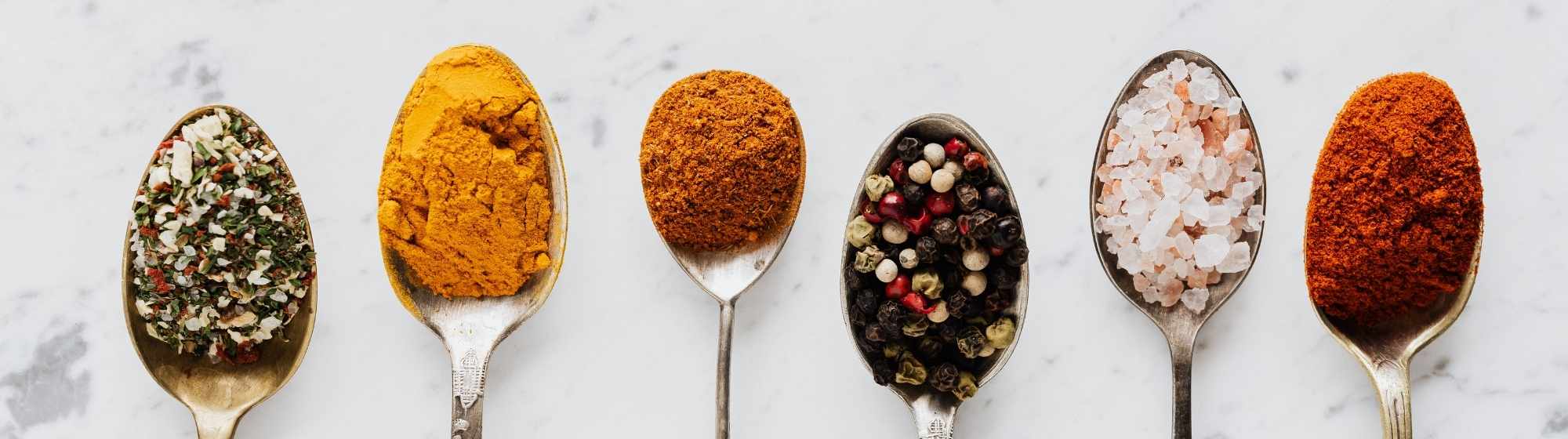
Long rooted in Asian medicinal traditions, adaptogenic ingredients are now emerging as essentials in the worlds of functional nutrition, performance, and wellness.
Thanks to scientific advances and a fast-growing market, these stress-modulating plants and mushrooms are finding their way into beverages, desserts, dietary supplements, and indulgent food products.
Ginseng, reishi, rhodiola, lion’s mane… These examples illustrate the meeting point between traditional herbal knowledge and modern nutritional innovation.
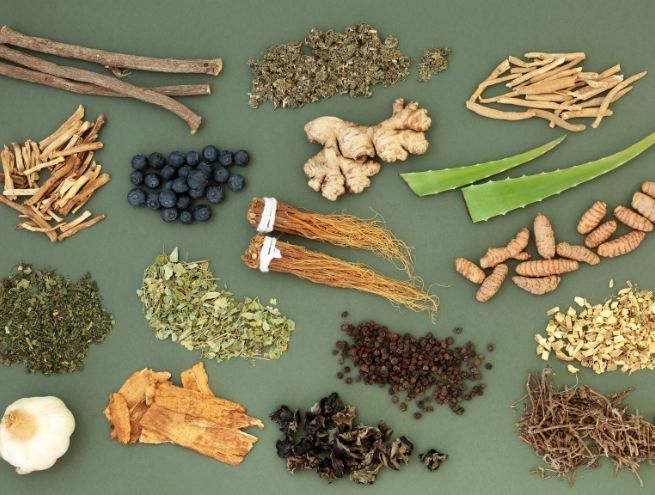
Adaptogens: natural allies against stress
Widely used in Asian cultures for thousands of years, adaptogens were extensively studied throughout the 20th century, notably through Russian research that helped define their properties.
An adaptogen is defined by Nikolai Lazarev as “a pharmacological substance capable of inducing a state of nonspecific increased resistance in an organism, enabling it to counteract stress signals and adapt to exceptional effort.”
Recognized benefits of adaptogens
- Anti-fatigue and improved endurance
- High antioxidant content
- Better concentration and cognitive performance
- Support for acute and chronic stress
- Improved sleep quality
- Reduction of stress manifestations (palpitations, eczema, hypertension, anxiety…)
- Anti-inflammatory, immune-supportive, hormonal, and nervous-system effects
- Anti-aging properties
Origin of the term “adaptogen”
Plants now known as adaptogens were traditionally used as physical and mental tonics in Chinese medicine. The term was introduced in 1947 by Russian pharmacologist Nikolai Lazarev while studying ginseng. His student Israel Brekhman continued the research in the 1960s, demonstrating adaptogenic properties in two key plants: eleuthero and rhodiola.
How do adaptogens increase stress resistance?
Their effects fit into Hans Selye’s General Adaptation Syndrome, which defines three physiological stages:
- Alarm
- Resistance
- Exhaustion
Adaptogens help the body stay longer in the resistance phase while reducing the risk of exhaustion.
Who benefits most from adaptogens?
Athletes
• Reduced muscle fatigue
• No overstimulating or withdrawal effects
• Ideal for prolonged or repeated effort
Older adults
• Chronic inflammation
• Atherosclerosis
• Cognitive decline
• Various age-related conditions
Stressed individuals
Adaptogens & regulations: what the law says
Products containing adaptogenic ingredients target specific populations and are regulated accordingly.
Where are adaptogens found?
- Medicinal Plants
Examples: moringa, ashwagandha, astragalus, holy basil, ginseng, turmeric
- Medicinal Mushrooms
Examples: chaga, shiitake, himematsutake, reishi
In what forms?
Adaptogens are found in:
- Beverages
- Desserts (ice cream, cookies)
- Honey
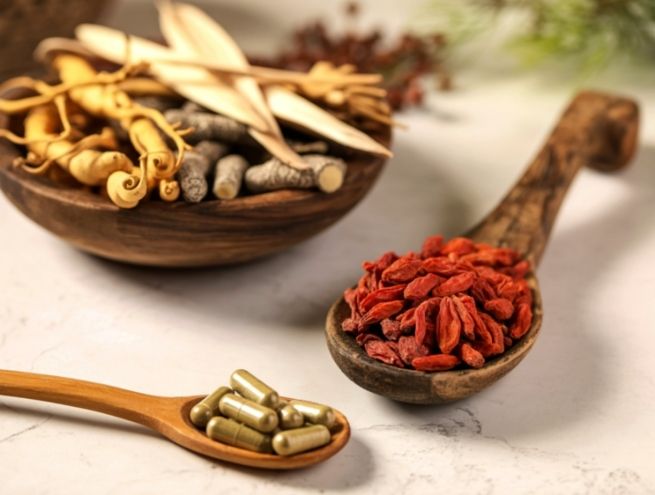
- Dietary supplements
- Functional preparations
In France, 23 adaptogenic plants are authorized in supplements according to the French Public Health Code (June 24, 2014 decree).
Usage recommendations: consume in moderation

How to optimize their effects?
To fully benefit from adaptogens, it’s recommended to start taking them a few days before an expected physical or mental effort. Their effects are strongest when taken regularly, especially during periods of prolonged stress or intense cognitive demand. Certain adaptogens require strict dosage monitoring. For example, ginseng intake is limited to 2 g per day for a maximum of three months.
The World Health Organization recognizes the clinically established use of ginseng for improving:
- fatigue
- exhaustion
- concentration
- recovery
In France, it is also recommended for functional asthenia (general fatigue or weakness). Contraindications: Ginseng and other adaptogens should not be consumed in cases of fever, acute infectious diseases, or during pregnancy and breastfeeding.
A booming adaptogen market
Still emerging, the market is rapidly attracting food and nutraceutical industries eager to highlight the health and wellness benefits of adaptogens. It enjoys a solid regulatory framework and strong consumer demand for natural functional ingredients.
Innovation: examples of products using adaptogens
Hot beverage preparations
Functional hot chocolate mix enriched with ginseng and ashwagandha.
• FOOCUS (France)
Mushroom-adaptogen coffee designed for energy, focus, and memory: lion’s mane, chaga, cordyceps, reishi, maitake, tremella, shiitake, ashwagandha, maca.
Refreshing beverages
Energizing kombucha with reishi, cordyceps, and lion’s mane.
• GOOD WOLF (USA)
Probiotic sparkling drink with adaptogens (lion’s mane, reishi), electrolytes, kefir, and Bacillus coagulans. Caffeine-free.
Sweet products & desserts
Plant-based cacao & lion’s mane ice cream. Gluten-free. Coconut-based.
• MYCRO (USA)
Raw honey infused with cacao, chaga, and cordyceps. Benefits: immunity, digestion, and stress reduction.
Indulgent snacks
Organic, vegan quinoa–chocolate bites enriched with ashwagandha, goji berries, and maca.
• TOTO (USA)
High-protein plant-based cookie with adaptogenic mushrooms. Gluten-free.
 Baba's turbo squirrel
 Good wolf - Probiotic
 Haulani - Power cacao
 Mycro immunity
 Weirdos - Chocoquinoa
 Natvia - Hot choc' relax
 Foocus
 Toto - Birthday cake
Everything you need to know about adaptogens
-
What is an adaptogen?An adaptogen is a plant or mushroom that increases the body’s natural resistance to physical, emotional, or biological stress without being toxic. They help the body adapt to effort and fatigue.
-
What are the main benefits of adaptogens?They support fatigue reduction, endurance, focus, recovery, sleep quality, and emotional balance. They also provide antioxidant, anti-inflammatory, immune, hormonal, and anti-aging effects.
-
Who can benefit from adaptogens?Athletes (endurance, muscle fatigue), older adults (inflammation, cognition, age-related issues), and stressed individuals (energy, focus, emotional balance).
-
In what forms are adaptogens available?They are found in beverages, desserts, functional preparations, honey, and supplements. In France, 23 adaptogenic plants are authorized in supplements.
-
How can they be consumed safely?Start supplementation a few days before expected effort and continue during prolonged stress. Some require strict dosing (e.g., ginseng: 2 g/day for max 3 months). Contraindications: fever, acute infectious illnesses, pregnancy, and breastfeeding.