NOVEL FOODS – THE FUTURE OF INNOVATIVE NUTRITION

The Novel Food revolution
With globalization and exposure to foreign food cultures, the discovery of new sources of nutrients is driving innovation in the agri-food industry. These new foods, called Novel Foods or “new foods,” are strictly regulated in Europe to ensure safety.
In the European Union, Novel Foods are governed by the European Commission and subject to health checks by competent authorities. However, Novel Food status varies by country, depending on legislation, regulation, and local food culture.
Definition of Novel Food in the European Union
Food excluded from Novel Food status
- Genetically modified foods
- Additives
- Food enzymes
- Flavorings
- Extraction solvents
The 7 categories of Novel Food
Today, seven types of products are classified as Novel Foods:
- Intentionally modified structure – e.g., synthetic zeaxanthin
- Microorganisms, fungi, or algae – e.g., microalgae oils enriched with DHA
- Mineral origin – e.g., zeolite (pending authorization)
- Plants – e.g., Noni juice
- Animals – e.g., isolated bovine lactoferrin
- Cell or tissue cultures – e.g., lab-grown meat (not authorized in the EU)
- New manufacturing processes – e.g., fermented black beans
Regulatory evolution of Novel Foods
Regulation (EU) 2015/2283, effective January 1, 2018, now governs Novel Foods and streamlines their market entry:
- Broader definition: includes technological innovations
- Simplified authorization process: faster and less costly
- Centralized risk assessment by EFSA
- Positive list of authorized Novel Foods
- Five-year exclusivity for companies on an approved product
Bringing Novel Foods to market
Since 2018, the process has been centralized at the EU level and includes three steps:
- Assessment: EFSA issues an opinion on safety and nutritional value
- Decision: The European Commission proposes an implementing act; member states set usage conditions
- Publication: Authorization is published in the Official Journal of the EU
For traditional foods from outside the EU, proof of safe consumption for 25 years in another country is required.
Different regulations worldwide
Novel Food regulations vary by country:
- United Kingdom: similar process to the EU, with submission to the Food Standards Agency (FSA)
- United States: no Novel Food concept; new foods are considered additives or GRAS (Generally Recognized As Safe) under FDA rules
Examples of products authorized elsewhere:
- CBD: authorized in the UK, not yet approved by EFSA in the EU
- Lab-grown meat: authorized in Singapore since 2020 and in the U.S. since June 2023
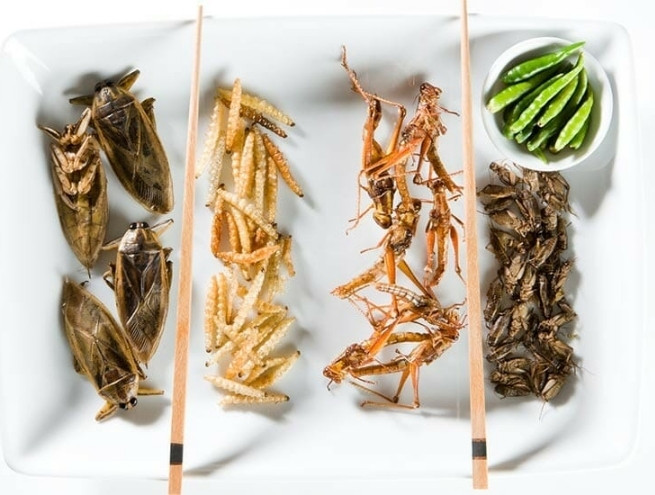
Insects: a promising alternative
With streamlined procedures and the rise of eco-friendly protein alternatives, insects are becoming a key protein source. For example, between 1997 and 2015, only 85 Novel Foods were authorized (fewer than 5 per year), whereas since 2018: nearly 70 authorizations or changes in usage conditions.
Species authorized in Europe:
- Yellow mealworm: dried in 2021, frozen/powdered in 2022
- Migratory locust: dried, frozen, or powdered in 2021
- House cricket: frozen, dried, or powdered in 2022
- Partially defatted house cricket powder: 2023
If legislation continues to evolve favorably, insect consumption in Europe could reach 260,000 tons for 390 million consumers by 2030.
Examples of Novel Food porducts
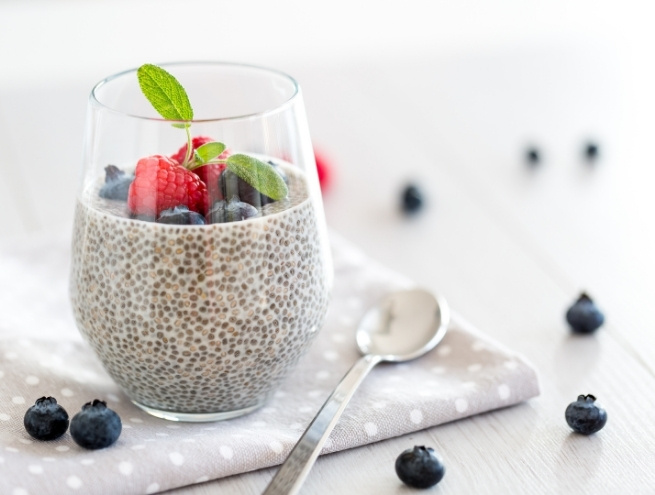
Chia seeds – authorized since 2020
• GRACI FUNCTIONAL CEREALS, Latvia: raspberry and chia porridge, no added sugar
Baobab pulp – authorized since 2008
• FAIRAFRIC BIO, Germany: organic fair-trade chocolate with baobab and moringa
Microalgae oil – authorized since 2018
Insects – sustainable proteins
• KRIKET DIFFERENT IS GOOD, Belgium: crunchy house crickets rich in protein
• MY STREET FOOD, Ireland: soy and mealworm powder burger
Other notable Novel Foods:
• Cocoa pulp: authorized since 2020, e.g., VALRHONA cocoa juice, France or LINDT EXCELLENCE bar, Germany
The future of innovation nutrition
Novel Foods represent a major opportunity for innovation in the food industry, meeting growing demand for healthy, sustainable, and diverse products. Between strict regulations, technological advances, and new protein sources, these foods are shaping the future of our diet and paving the way for more responsible and creative nutritional solutions.
Everything you need to know about Novel Foods
-
How many categories of Novel Foods exist?7 categories.
-
What three criteria must be demonstrated to market a Novel Food?Product origin, conditions of use, safety.
-
Which insect species are authorized in Europe?Yellow mealworm, migratory locust, house cricket.
-
What is the estimated insect consumption in Europe by 2030?260,000 tons for 390 million consumers.
-
What are examples of authorized Novel Foods?Chia seeds, baobab pulp, microalgae oil, egg yolk phospholipids, cocoa pulp