
CRUNCHY: WHEN TEXTURE BECOMES AN OBSESSION
Crunchy, a sensory experience first
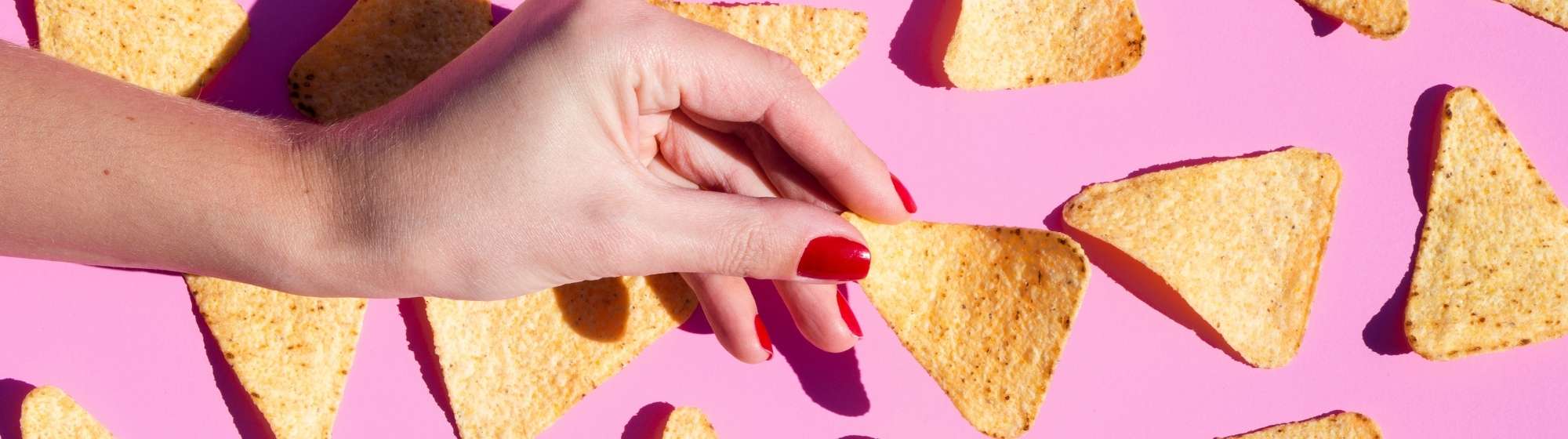
Crunchy is not a flavor or an ingredient, but a sensory experience focused on texture: crunchy, crispy, and crackly.
This sensation activates several senses:
- Touch, through bite and mouthfeel
- Taste, often associated with fat or grilled notes
- Sound, thanks to the audible “crunch” during consumption
Why do we love crunchy so much?
Crunchy foods deliver immediate pleasure and indulgence. They provide a feeling of intense satisfaction, which can quickly become addictive. Crunchy can take many forms:
- Natural crunchy elements: raw vegetables, nuts
- Processed crunchy textures: fried, toasted, puffed
- Added textures: toppings, coatings, inclusions
A common example is a salad topped with fried onions, adding crispness and textural contrast.
A perfect match for new eating habits
Crunchy textures align perfectly with evolving consumer expectations:
Faster eating habits
The rise of snacking and on-the-go consumption
A strong fit with street food
Social media as a key driver
Social media plays a major role in the success of crunchy foods, as they meet all the criteria for viral content:
- Satisfying sounds, ideal for ASMR
- Breaking and cracking visuals
- Slow motion shots
- The iconic “first bite” moment
Crunchy and crispy videos attract millions of views on TikTok, turning crunchy into a constantly evolving trend.
Crunchy as a new food standard
One of crunchy’s greatest strengths is its flexibilty. It works across cuisines and lifestyles and is becoming a baseline consumer's expectation.
In France, the fast-food chain Tasty Crousty quickly became popular by serving crispy chicken and rice with a generous sauce.
Crunchy textures are now everywhere:
- In fast food, with crispy burgers and premium fried chicken
- In snacking and industrial products, such as chips, snacks, chocolate, and ready meals
- In gastronomy and bistronomy, where crunchy elements contrast with creamy or tender textures

Widespread adoption in the food industry
In the food industry, crunchy textures have existed for a long time, but their use has exploded in recent years. Today, crunchy elements can be found across all food categories, confirming their status as a new sensory standard.
Crunchy as a driver of innovation and product differentiation
Beyond mouthfeel alone, crunchy has become a strategic lever for food brands. In an increasingly competitive and standardized market, crunchy textures offer a powerful way to stand out without fundamentally changing ingredients or flavor profiles. Adding crunch enhances the eating experience while staying aligned with established consumer habits.
Brands are increasingly playing with crunchy inclusions, layered textures, and crispy coatings to amplify indulgence and elevate perceived product quality. In both sweet and savory categories, crunchy elements extend chewing time, intensify sensory pleasure, and make products more memorable. Texture now stands alongside taste and clean label as a key driver of food innovation.
Crunch also responds to a growing need for reassurance and sensory control. The sound of crunch acts as a positive cue, often associated with freshness, proper cooking, and premium positioning. In some cases, crunchy textures even provide a form of comfort, reinforcing emotional attachment to products and brands.
Finally, crunchy aligns perfectly with major market shifts, including the rise of snacking, hybrid meals, on-the-go consumption, and more individualized eating patterns. Easy to recognize, universally appealing, and culturally adaptable, crunchy works just as well in plant-based recipes as in meat-based products, from street food formats to high-end gastronomy.
More than a passing trend, crunchy is establishing itself as a core marker of the modern food experience, at the intersection of pleasure, innovation, and social media–driven appeal.
Everything you need to know about the crunchy trend
-
Why is crunchy texture such a strong food trend?Crunchy is a texture-driven sensation that activates multiple senses: touch, taste, and sound. It delivers immediate pleasure and satisfaction, making it especially appealing in snacking, street food, and fast-paced eating habits.
-
How are social media influencing food trends like crunchy?Crunchy foods perform extremely well on social media thanks to ASMR sounds, visual breaks, slow motion, and first-bite moments. Crunchy and crispy videos generate millions of views on platforms like TikTok, reinforcing the trend’s global popularity.
-
How does crunchy enhance the overall eating experience?Crunchy makes eating more enjoyable by adding contrast and intensity. It combines texture, sound, and mouthfeel to make food more engaging, especially with softer or creamier elements.
-
Which food categories are most impacted by the crunchy trend?The crunchy trend spans all food categories, from fast food and street food to snacking, ready meals, and even gastronomy. Crispy burgers, fried chicken, chips, chocolate inclusions, and gourmet dishes all rely on crunchy textures to meet consumer expectations.
-
Why is crunchy becoming a new sensory standard in food?Because of its flexibility and strong emotional appeal, crunchy is no longer just a bonus but an expectation. It fits multiple cuisines, consumption moments, and lifestyles, making it a key texture used across the entire food industry.