
SPICY SHADES: TOP 10 FOOD TRENDS AROUND CHILI PEPPERS
Chili Pepper: the must-have ingredient in modern cuisine
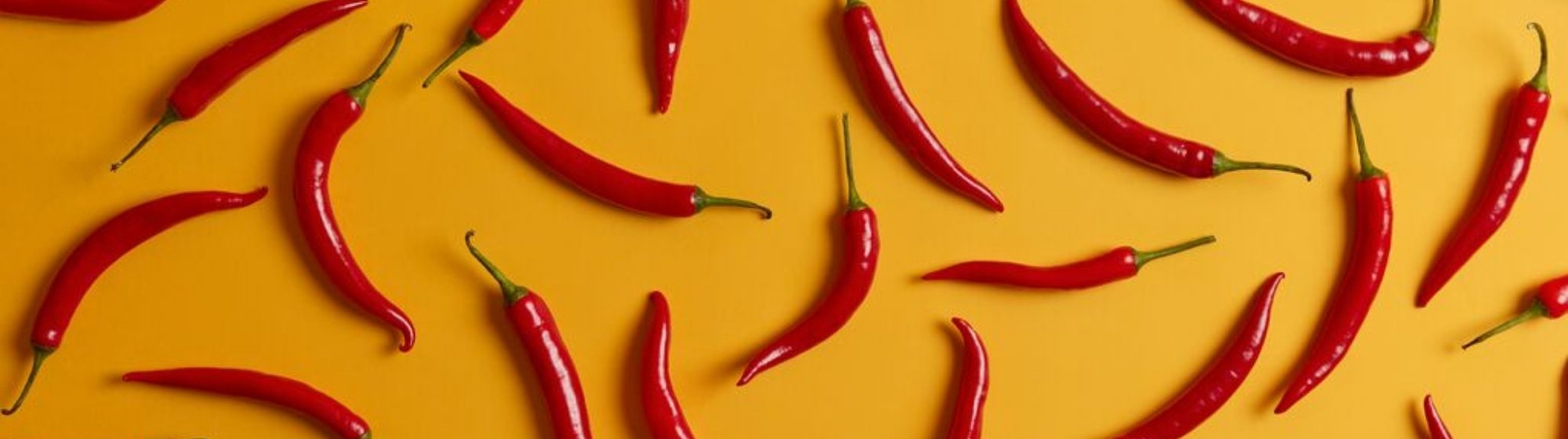
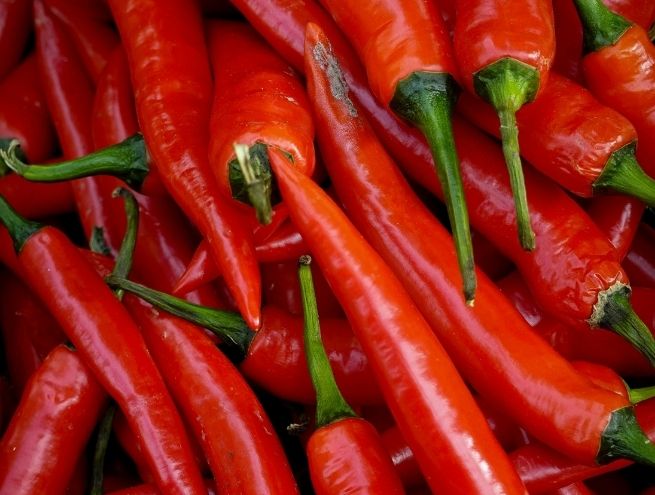
Chili peppers are no longer just a simple ingredient—they’ve become a symbol of culinary trendiness. Driven by the search for bold and original flavors, they feature prominently in Mexican, Indian, Thai, and Korean cuisines, attracting consumers eager for gastronomic discovery. The success of bibimbap, the most Googled dish in 2023, perfectly illustrates this passion for spicy food.
The food industry quickly embraced the trend. Spicy sauces, snacks, ready meals, and drinks are multiplying, making chili a flavor enhancer and a marker of culinary modernity.
A sharp rise in spice consumption
Since 2010, the consumption of spices and herbs has increased by 35%, with a notable spike after the 2020 lockdown. French consumers, now fans of more exotic recipes, are exploring bold and spicy flavors. Today, 29% of French people say discovering new tastes brings them pleasure, and the number of chili-based products on the market has grown by 32% in five years.
The hot sauce market is following the same trajectory: valued at $5.5 million in 2024, it could reach $8.1 million by 2033. The term “spicy” appears more in culinary innovations, confirming that it is a lasting food trend.
Eye-catching packaging
To attract consumers, brands are betting on bold, modern packaging and innovative products. Bright colors, catchy names, original graphics, and pictograms indicating chili strength help create a unique experience. Brands like HOTPOT QUEEN in the U.S. and LES PIMENTS DE PAPA in France perfectly illustrate this innovative marketing approach.
Chili: a trendy and universal flavor
The chili craze is no longer limited to traditional consumers. In Europe, more and more people are embracing chili thanks to the influence of global cuisines and social media. Spicy dishes offer a sensory experience, while chili acts as a flavor enhancer, helping reduce salt and elevate recipes.
Adventurous and curious consumers
Several factors are driving chili adoption
These factors explain why chili is now considered a key ingredient in both traditional dishes and modern creations.
Global cuisines
Culinary transformation
Chili and health benefits
Culinary innovations around chili
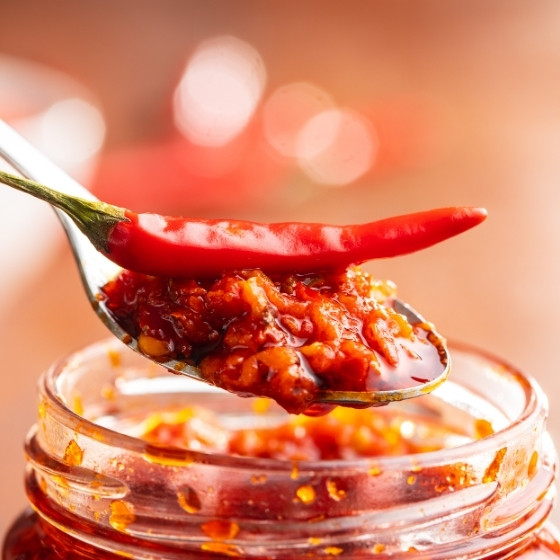
Chili is featured in a wide range of products:
- Appetizers and snacks: cheese-stuffed jalapeño halves, chili-lime chips, cheddar-chili nuggets
- Sweet and chocolatey options: fruit yogurts with chili, Ghost Chilli ice cream, dark chocolate pearls with Espelette chili
- Drinks and cocktails: chipotle vodka, mango-habanero margaritas, chili-hopped beers
- Premium and extreme products: habanero sauces, One Chip Challenge, Netflix & Chilli popcorn, Pringles x Hot Ones
- Global and plant-based cuisine: tandoori skewers, spicy noodle bowls, jalapeño vegan cheese
- Convenient and on-the-go: squeeze-bottle vinaigrettes, freeze-dried meals, piri-piri cashews in snack packs
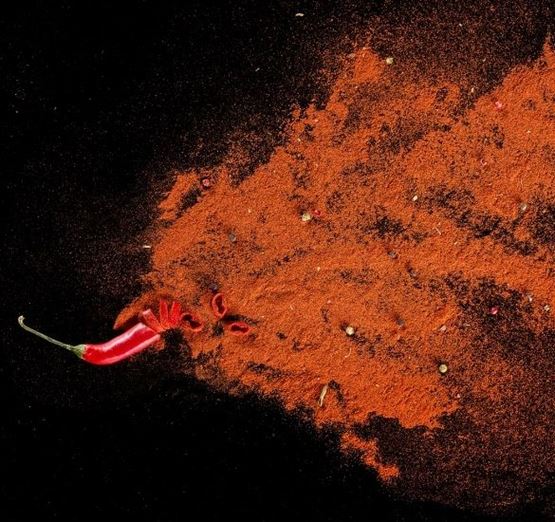
These innovations show that chili adapts to all types of consumption—from quick snacks to gourmet dishes, drinks, chili powder and portable products.
Chili: a must-have in modern recipes
Today, chili is an essential ingredient, a flavor enhancer, and a full sensory experience. Whether in street food, global dishes, sweet treats, or plant-based products, it continues to attract consumers seeking bold and intense flavors. Its popularity on social media and in culinary innovations confirms that it’s far more than just a spice—it’s a global trend.
Source: ProtéinesXTC – Chili Trends and Innovations
Everything you need to know about chili trends
-
How much has the number of chili-based products grown in 5 years?By 32%.
-
What is the value of the hot sauce market in 2024?$5.5 million.
-
What is the projected value of the hot sauce market in 2033?$8.1 millions.
-
What are the health benefits of chili?It helps reduce salt and is used in dietary supplements.
-
What is the Scoville scale?A measure of chili heat from 0 to 16 million SHU.