
A CATEGORY IN MOTION: ICE CREAM’S EXPANDING GLOBAL APPETITE

Ice cream has long been tied to warm weather and tactile pleasure, yet its popularity persists year-round. The global ice cream market is projected to expand by about USD 31.7 billion (approx. €29 billion) between 2025 and 2029, growing at an annual rate of around 6.1 per cent over that period, according to recent analysis. This sustained growth highlights expanding consumer demand and innovation in the category.
Redefining a classic with new flavours and formats
For many, ice cream still evokes childhood memories of simple scoops and creamy cones. Yet today’s market is defined by far broader horizons. Producers and brands are rethinking flavour profiles, embracing influences from across the globe, and blending unexpected tastes to capture consumer interest.
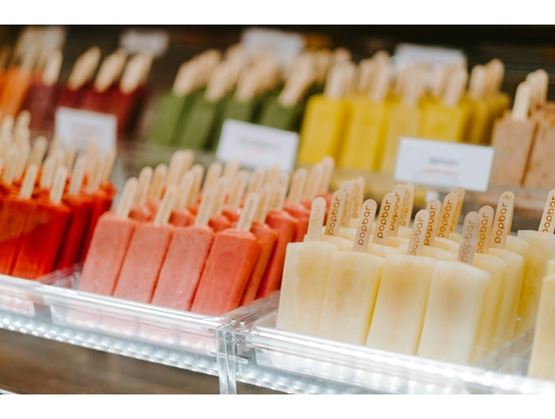
Novel formats such as handheld frozen snacks, gelato cups with multiple textures, and hybrid dessert bars are winning attention. These creations speak to contemporary lifestyles that prioritise convenience as much as sensory delight.
The shift is also reflected in the frozen desserts industry more broadly, which is forecast to grow further by USD 30.85 billion (approx. €28 billion) between 2026 and 2030 at a CAGR of roughly 7.2 per cent, underscoring the diversity and adaptability of products beyond traditional ice cream.
Innovation in the ice cream category extends far beyond classic vanilla and chocolate. Today’s makers are embracing imaginative flavours and surprising formats that appeal to consumers’ adventurous palates. In Europe and beyond, chefs, designers and artisan producers are experimenting with combinations that might once have seemed unconventional.
In London, a seasonal ice cream pop-up by Anya Hindmarch has been translating everyday cupboard ingredients into playful frozen flavours, from toasted breadcrumb and custard cream to mint-chocolate cereal, gravy and pickled onions. Elsewhere, ice creams inspired by cardamom, saffron and black sesame draw on South Asian dessert traditions, offering aromatic profiles that feel both indulgent and contemporary.
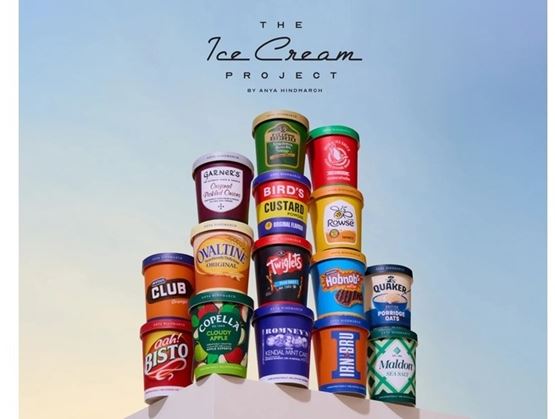
Further expanding what’s possible, imaginative twists include treats that go beyond flavour alone to deliver multi-sensory moments.
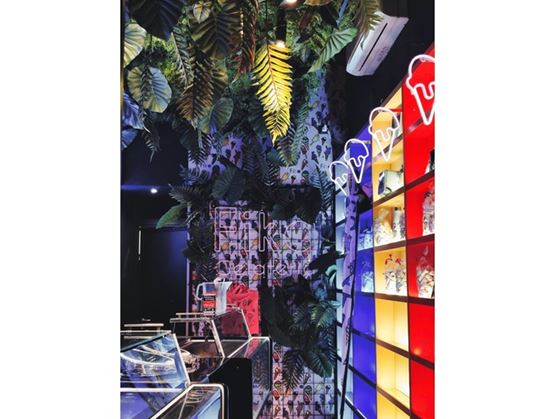
A good illustration comes from arcade-style experiential pop-ups developed by Asian-inspired dessert brands in cities such as Tokyo, Seoul and Los Angeles. These pop-ups transform ice cream into a multi-sensory event rather than a simple product.
Visitors select brightly coloured ice cream bars displayed like game prizes, often shaped as characters, fruit or geometric icons. Once chosen, the bars are dipped in vividly hued chocolate shells, finished with popping candy, textured sprinkles or metallic dusts. The process combines visual spectacle, sound, texture and flavour, turning the act of purchase into a performance.
The experience is designed to be photographed and shared, extending engagement well beyond taste and positioning frozen snacks as playful, immersive moments rather than traditional desserts.
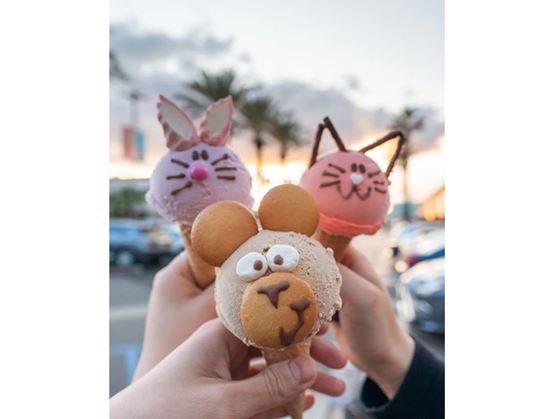
Meanwhile, globally viral products such as the “Propitious Mango” ice cream, shaped to resemble a fruit with a thin white-chocolate shell, capture consumer attention both online and in real-world markets.
Health, sustainability and consumer expectations
As tastes evolve, so too do expectations around health and sustainability. Health-oriented innovations are now common on freezer shelves, with reduced sugar, high-protein and probiotic-enhanced options gaining ground as consumers seek better-for-you indulgences.
In the United States and Europe, several brands have introduced ice creams sweetened with all-natural sweeteners such as stevia and monk fruit, offering a creamy mouthfeel with up to 50 per cent less sugar than traditional recipes. At the same time, functional products such as probiotic-infused frozen yoghurts and protein-fortified gelatos are appearing in mainstream grocery aisles, promoting digestive well-being and post-workout recovery without sacrificing the pleasure of a cold treat.
Plant-based formulations are also driving flavour creativity while responding to lifestyle and environmental preferences. For example, oat-milk-based frozen desserts featuring superfruit swirls like acai and blueberry have gained popularity in markets from Scandinavia to Australia, blending familiar taste profiles with dairy-free ingredients that appeal to both vegans and flexitarians. Beyond familiar coconut and almond bases, brands are exploring tropical and superfruit profiles such as acai, mango with passionfruit and even exotic blends like pomelo and dark plum that appeal to consumers looking for novel tastes and textures. These plant-based innovations now rival the sensory experience of dairy versions, blurring the lines between tradition and trend.
The shift toward plant-based and functional ice creams also extends to how products are made. Fermentation techniques borrowed from craft beverage production are being used to improve creaminess and mouthfeel, helping plant-based frozen desserts closely mimic the texture of dairy while offering a cleaner ingredient list. Brands are similarly focusing on transparent labelling and traceability; some products now feature QR codes that link to details about sustainable sourcing of ingredients such as Madagascan vanilla or Italian pistachios.
Sustainability considerations extend beyond ingredients to packaging and supply chain practices. Innovations such as compostable tubs made from paperboard and bio-resins are becoming more widespread, and producers are increasingly highlighting locally sourced components to reduce transport emissions. At Sial Paris, such innovations are featured alongside sensory-driven creations, illustrating how the frozen dessert category is engaging with environmental concerns without compromising on delight.
Premiumisation and the taste for experience
As consumers become more adventurous with their choices, premiumisation continues to shape the market. The gourmet ice cream market alone is expected to grow by USD 12.36 billion (approx. €11 billion) between 2024 and 2029, propelled by consumer interest in premium products with distinctive sensory qualities and perceived health benefits.
At the same time, the broader frozen food sector is reflecting a shift toward pleasure and sophistication. According to innovation indices, pleasure now drives product development more strongly than simpler convenience features, as consumers prioritise superior taste quality and culinary emotion. This has paved the way for frozen desserts that rival restaurant-level desserts, combining refined ingredients with opportunities for experiential consumption.
The premium wave also influences presentation and format. From donut-shaped frozen desserts and handheld bites to layered gourmet offerings, these innovations elevate ice cream beyond a simple scoop. The result is a category that resonates with consumers seeking both taste and novelty.
A sweet future
Ice cream and frozen snacks are no longer bound by seasonality. From the depth of winter to the peak of summer, this category thrives on imagination, diversity and continuous reinvention. Market figures pointing to steady growth underline how both classic favourites and modern innovations have a place in the evolving landscape.
From creative flavour profiles and playful formats to health-aligned formulations and sustainability commitments, frozen desserts are reinventing themselves.
International events such as Sial Paris serve as vital showcases for ice cream and frozen snack trends. As one of the world’s leading food innovation exhibitions, Sial Paris connects manufacturers, retailers and innovators across the food sector, offering a comprehensive view of where consumer tastes are headed. The frozen treat segment, in particular, benefits from this exchange, with new concepts gaining visibility and potential partnerships forged on the show floor.
Image credits:
Eiswelt Gelato
Courtney Cook - Unsplash
The Ice Cream Project by Anya Hindmarch
Taylor Heery
Melvin Lauber - Unsplash