
FROZEN PRODUCTS INDUSTRY DRIVES WORLDWIDE EXPANSION

Frozen food on the rise: From convenience to creativity
The frozen food sector is entering a new phase of expansion, marked by creativity, convenience and sustainability. Once viewed mainly as a solution for long shelf life, frozen food has now become a key driver of innovation across every category, from vegetables and fish to bakery and desserts.
A global market gaining ground
In 2024, the worldwide frozen food market was valued at USD 295 billion (around €255 billion), with an estimated compound annual growth rate (CAGR) of 5.1% projected between 2023 and 2030. Europe remains the main hub, holding 37% of the global market share, while the United States, Japan and Germany ranked as the top importers.
Within Europe, France recorded €9 billion in frozen food sales in 2023, representing a 13% market share, just behind Germany (19%) and the United Kingdom (17%). These figures confirm France’s position as a key player in the European frozen landscape.
In the same year, French households spent an average of €220 on frozen products, showing how deeply this category is integrated into everyday consumption. The frozen aisle is no longer just a space for low-cost convenience, it’s a growing destination for quality, innovation and flavour.
Innovation reshapes perception
According to the 2024 SIAL Insights White Paper, the year marked a turning point for the frozen segment: frozen savoury products ranked as the world’s second most innovative food category. This surge in creativity reflects the sector’s evolution toward healthier, tastier, and more sustainable offerings.
One of the strongest trends observed in 2024 was the rise of frozen vegetable substitutes, which deliver both convenience and accessibility for plant-forward consumers. These products appeal to flexitarian diets while retaining the culinary versatility expected by chefs and home cooks alike.
The search for pleasure also drives this innovation wave. Studies show that 60% of consumers in 2024 associated frozen food innovation with enjoyment, indicating that indulgence and quality now outweigh old perceptions of compromise. From ready-to-bake pastries to premium frozen desserts, producers are successfully merging pleasure with practicality.
Digital retail and global flavours
The shift to online shopping has redefined how frozen products reach consumers. Between 2022 and 2024, digital grocery platforms became a key growth engine for the category, offering improved cold chain logistics and faster home delivery options.
This change has also boosted demand for ethnic and exotic frozen meals, which rose from USD 47 billion (€40.7 billion) in 2022 to USD 52 billion (€45 billion) in 2023. These ready-to-heat global dishes allow consumers to explore new cuisines from their own kitchens while maintaining quality and food safety.
Such diversification also benefits exporters and retailers. By 2024, major distribution chains including Picard, Thiriet, Carrefour, Ocado, M&S and Whole Foods Market had expanded their frozen assortments to balance affordability, authenticity and premium appeal.
Diversity and versatility across categories
Diversity and versatility are at the heart of the frozen food sector, whose strength lies in its remarkable breadth. Today, it spans almost every corner of the food industry, blending efficiency with ongoing innovation. In France, 2023 category data illustrates this depth, with meat reaching €890 million, potatoes €610 million, vegetables €560 million, starters €550 million and fish €540 million. Together, these figures show how frozen food technology supports an extraordinary range of culinary applications, from industrial catering to fine dining. Bakery and pastry products have been particular beneficiaries, thanks to technical advances that preserve texture, aroma and colour, enabling cafés, hotels and restaurants to offer consistent quality throughout the year.

Sustainability and organic growth
Environmental awareness continues to shape the future of frozen food. Between 2020 and 2025, the organic frozen segment is projected to grow at a 4.3% CAGR, reflecting increasing consumer interest in sustainability and reduced food waste.
Frozen products naturally align with these priorities: they extend product life, optimise transport efficiency, and limit spoilage. For both consumers and distributors, this translates into lower waste and a more responsible supply chain.
At the same time, brands are investing in recyclable packaging, energy-efficient cold storage, and carbon-reduction strategies. The combination of sustainability and innovation positions the frozen food sector as a leading model in the transition toward more circular food systems.
A resilient, forward-looking sector
The resilience of the frozen food sector was particularly evident during the early 2020s, when it adapted rapidly to shifting supply chains in the food processing industry and changing lifestyles. By 2024, it had emerged as one of the food sector’s most stable growth engines, meeting modern expectations for health, pleasure and practicality.
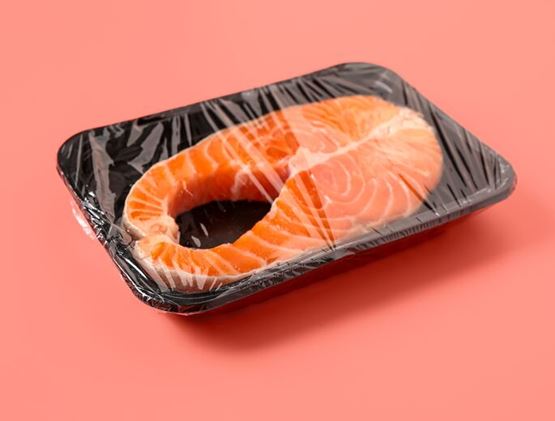
As global populations urbanise and daily routines accelerate, frozen products offer the right balance of convenience without compromise. They bridge tradition and technology, preserving the nutritional value and taste of fresh food while supporting sustainability goals.
From plant-based innovations to gourmet ready meals, the frozen category continues to embody the food industry’s forward momentum.
Business opportunities at SIAL Paris 2026
For frozen food and food processing companies, SIAL Paris 2026 will be a strategic international food expo that can help them to tap into this momentum. At the last edition of the food innovation exhibition, 453 exhibitors presented their ranges in the frozen food products sector, with 92% of them coming from outside France. Exhibitors in the sector reported high satisfaction levels, with 80% satisfied overall and 91% satisfied with the business climate.
On the buyer side, SIAL Paris attracts a powerful mix of retail, foodservice and travel catering players. In 2024, visitors included major names in the frozen food industry. With 92% of visitors identified as decision-makers or prescribers, the show offers direct access to the people who shape frozen food assortments and industrial sourcing strategies worldwide.
Innovation is another key draw to the show. SIAL Innovation, the show’s flagship event, showcases more than 2,400 innovative products and solutions across all categories. In 2024, 74 exhibitors were selected by a panel of experts, and the frozen food products award went to Yumgo and its range of plant-based desserts for the food service sector, showing the visibility that cutting-edge frozen concepts can gain on this stage.
Taking place in Paris from 17 to 21 October 2026, SIAL Paris positions itself as the world’s largest export platform for food, with visitors from over 194 countries and 100% of French distributors represented. For companies in frozen food and food processing, exhibiting at SIAL Paris means an opportunity to launch innovations, secure qualified leads and build long-term partnerships in a market that continues to grow and reinvent itself.