
PLEASURE REINVENTED THROUGH TASTE AND DISCOVERY

SIAL Insights is the biennial trend report developed by SIAL Paris to map the forces reshaping food and drink worldwide. The 2026 edition brings together research from Kantar, ProtéinesXTC and Circana across consumer behaviour, product innovation, retail and foodservice. Its ten insights examine movements ranging from personalised health and plant-based eating to digital influence and new perceptions of value. Insight 3 turns the spotlight back towards one of food’s most enduring drivers: pleasure.
Pleasure without the guilt
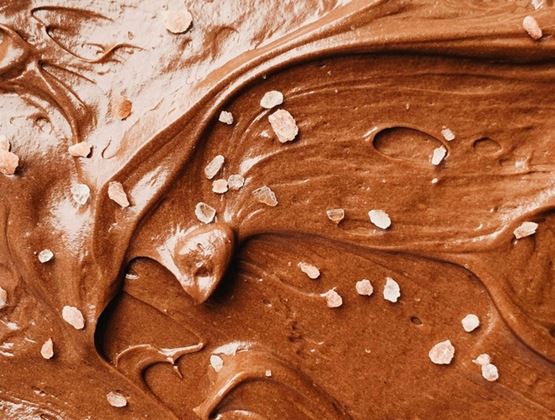
For many consumers, treating oneself is no longer framed as an exception that needs to be justified. According to Kantar’s Food 360™ research, two in three consumers globally and in France say they enjoy certain foods even when they are not necessarily good for their health. Three in four also say they occasionally choose foods they consider “small luxuries” simply for moments of pure enjoyment.
That appetite for small luxuries matters in a market where consumers continue to make careful trade-offs. Pleasure can now take the form of a premium chocolate bar, an unusually textured dessert or a strongly flavoured snack: products that create a moment of reward without requiring a major purchase.
Innovation is increasingly part of that equation. Circana figures included in SIAL Insights show that innovative food products recorded an average price increase of 5.3% in Europe in 2025, while innovation contributed 9.1% to value growth in the food products market. For the food sector, higher value increasingly needs to be perceptible, whether through flavour, texture, presentation or a more distinctive overall experience.
Intensity moves to the front of pack
Pleasure is also becoming louder. The ProtéinesXTC Global Food Innovation Barometer recorded a 28% global rise in products promoting intensity on pack. Products highlighting spicy flavour profiles increased by 22.8%, with ginger, chilli and black garlic among the flavours gaining visibility.
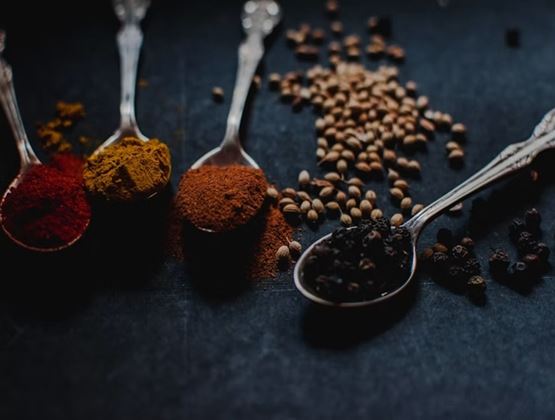
Texture is becoming a language of its own. Crunch, creaminess, aeration and contrast can turn a familiar product into a more memorable experience. Between 2021 and 2025, products offering a broader range of sensory experiences rose by 5.6 points globally and by 6.4 points in France, according to ProtéinesXTC data presented in the report.
Consumers appear receptive. Kantar Food 360™ found that 68% of consumers globally say they enjoy products offering new textures, varieties or sensory experiences and are interested in discovering new foods. In France, the figure stands at 54%. Pleasure, in this sense, is increasingly something to notice, compare and talk about rather than simply consume.
Discovery becomes more personal
Culinary exploration is changing at the same time. Familiar international cuisines such as Italian, Thai and Japanese remain strong, but curiosity is becoming more precise. South Korean food is one of the most visible examples, while interest is also extending towards Balinese cuisine, Cambodian traditions and specialities associated with individual Japanese cities rather than Japan as a single culinary reference.
Foodservice, street food, social media and popular culture are helping consumers encounter flavours in increasingly specific cultural contexts. ProtéinesXTC reports growth of 3.1 points globally and 4.2 points in France for products positioned around exotic cuisines and newly explored regions.
This pattern also reinforces individualisation. Culinary discovery is becoming less about following one global flavour trend and more about creating a personal repertoire of places, ingredients and formats. For manufacturers and operators, that opens space for more precise product development, while giving provenance, cultural specificity and sensory character greater importance.
From indulgence to innovation
In 2025, 56.4% of food innovations launched globally incorporated themes of pleasure and discovery, up 8.8 points compared with 2021, according to the ProtéinesXTC Global Food Innovation Barometer cited in SIAL Insights 2026. Pleasure now encompasses intensity, sophistication, multisensory experiences, exoticism and fun.
For brands, the question is increasingly not simply whether a product tastes good, but what kind of pleasure it creates. The answer may lie in a bold flavour, an unexpected texture, an affordable luxury or a highly specific culinary reference. Pleasure has not been displaced by health, value or functionality. It is learning to coexist with them.
That evolution will be visible at SIAL Paris from 17 to 21 October 2026 at Paris Nord Villepinte. As a food industry trade show bringing together the international food community, the event provides a broad view of how such ideas are being translated into products and concepts. In a market increasingly organised around individual tastes, pleasure is not disappearing or becoming more restrained. It is becoming more intentional, more sensory and more personal.
Image credits:
Irene Kredenets - Unsplash
Pratiksha Mohanty - Unsplash