
SIAL INSIGHTS 2026: INSIDE THE CHANGING LOGIC OF FOOD CONSUMPTION

How did you support SIAL in building and analysing the trends presented in the latest SIAL Insights White Paper?
Kantar is one of the three expert partners behind SIAL Insights 2026, alongside Circana, which focuses on retail and foodservice, and ProtéinesXTC, which covers product innovation. Since 2012, Kantar has represented the voice of consumers through the Food 360™ study. The 2026 edition is the eighth edition of the study. It was conducted across 10 markets (France, the UK, Germany, Spain, Italy, the USA, China, India, the Middle East and the Indonesia-Malaysia region), with 5,000 respondents, meaning 500 people per market.
In practical terms, we analysed consumers’ own statements about their behaviours, attitudes and expectations around topics such as pleasure, health, nutrition, naturalness, local sourcing, sustainability, plant-based eating and the role of digital in food. We then compared these findings with the product innovation and retail trends identified by the two other partners. From this dialogue between three areas of expertise, 10 key trends emerged, structured around one central theme: the growing individualisation of food.
Do social media now play a major role in the emergence of food trends?
Yes, absolutely. It is one of the most striking developments in the 2026 edition.
- 80% of consumers say they use at least one digital tool related to food. On average, across the markets studied, more than three quarters of consumers say digital influences their food purchases. In Asia, that figure rises to around nine in ten.
- Social media and video platforms such as Instagram, TikTok and YouTube are now the most widely used digital tools for inspiration, ahead of recipe websites and apps, grocery shopping or delivery platforms, and AI assistants. More than one in ten consumers already say they rely on influencer recommendations to discover new foods or drinks.
- In concrete terms, this means that social media has become the first point of discovery for food innovations, even before consumers encounter them in store. Established brands now need to exist within the influence streams that come before purchase, not only on the shelf.
What are the main trends or changes you are currently seeing in the food sector?
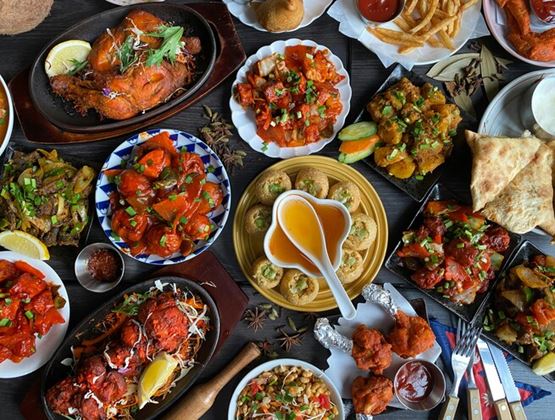
Food 360™ 2026 and SIAL Insights 2026 highlight 10 major dynamics, all structured around the theme of individualisation.
- This is a sector where practices and expectations continue to evolve year after year.
- Food is increasingly seen as a way to optimise both body and mind, with consumers looking not only for physical benefits, but also for mental and emotional ones.
- Pleasure remains essential, but it is being reinvented as something more sensory and more openly embraced.
- Local and global influences now coexist: consumers continue to favour regional products, while also being highly open to cuisines from around the world.
- Sustainable commitment is also continuing, particularly through the growing plant-based shift. However, this is now more about protein diversification than the strict replacement of meat products.
Do you have any key figures or market data that illustrate the importance or momentum of this sector?
Several indicators from Food 360™ 2026 stand out:
- 80% of consumers say they have changed their eating habits over the past two years.
- Seven in ten consider eating to be a civic act.
- Quality is the leading purchase criterion almost everywhere, ahead of price, nutritional considerations and food safety.
- Consumers also have a positive view of food industry players: more than eight in ten believe that action has been taken to improve product quality.
- That said, the sector remains deeply affected by inflation in France, where 57% of consumers say inflation has changed their food shopping habits, compared with a global average of 39%. In fact, 60% of French consumers say they buy more products on promotion than they used to.
- At the same time, innovation still has strong potential: on average, nearly seven in ten consumers say they are interested in trying new products, despite inflation and the growing appeal of less processed foods.
Can we still talk about a “typical” consumer, or have food behaviours become too fragmented?
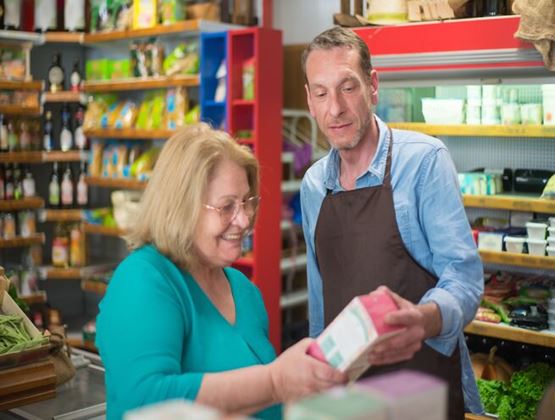
The “typical” consumer is becoming increasingly difficult to define. What we are seeing is a rise in individualisation and a growing complexity of expectations.
This fragmentation can be seen on several levels:
- Fragmentation of motivations: consumers are looking, either simultaneously or at different moments, for pleasure, health, commitment, convenience and affordability.
- Geographic fragmentation: France, for example, remains fairly cautious about functional innovations, while Asia is much more open to protein alternatives and targeted nutrition.
- Fragmentation of consumption moments: the traditional meal is losing ground as a fixed ritual, while snacking, ready-to-eat formats and personalisation are on the rise.
- Fragmentation of health expectations: digestive health, energy/immunity, mental wellbeing, longevity, beauty, women’s health and more.
The right level of analysis is therefore no longer “the consumer” in general, but the combination of needs, occasions and socio-cultural contexts. In innovation, winning approaches are built on a much more precise segmentation of demand.
The report shows a consumer who is attentive to price, health, pleasure and commitment at the same time. How do you explain this growing complexity?
This “complexity” is not a contradiction. It reflects a shift in logic: the same consumer no longer necessarily ranks these dimensions in a fixed order, but combines them across their overall consumption.
- Pleasure is no longer seen as the opposite of health: people enjoy certain products even when they know they are not ideal from a health perspective. At the same time, many also consume foods they consider truly beneficial.
- Quality remains the guiding principle, but it has to go hand in hand with an accessible price, health benefits, pleasure and a credible story.
- Commitment is moving closer to the plate: consumers do not want to be made to feel guilty. They want brands to make more responsible choices easier, through recyclable packaging, lower carbon impact and other concrete solutions.
- The macroeconomic context reinforces this combination: inflation is weighing on choices, but it has not erased expectations around health, origin or responsibility. Accessible added value is becoming an important driver of innovation.
How are consumer data, panels and artificial intelligence changing the way trends are identified?
- Since the widespread arrival of AI, data has become abundant to the point of excess: it can sometimes feel as though all the answers are already available, but this abundance also creates a great deal of confusion. The challenge is no longer simply to collect more data, but to make sure that data is reliable and better connected. At Kantar, we combine robust consumer data from benchmark studies such as Food 360™, long-term historical data that helps distinguish established trends from emerging signals, and newer sources linked to digital behaviours.
- Artificial intelligence is also changing both the speed and depth of analysis. It makes it possible to process large volumes of information more quickly, identify recurring patterns, detect weak signals and accelerate the way insights are structured and expressed. But AI does not replace human expertise or data quality. Our approach is to combine the power of AI, panels, our proprietary databases and the interpretation of Kantar experts to produce insights that are useful, actionable and truly geared towards brand growth decisions.
If you had one message for the food industry players gathering at SIAL Paris, what would it be?
Three messages naturally emerge from Food 360™ 2026:
- Growth will depend less on multiplying promises than on integrating them. Consumers expect pleasure, health, naturalness, commitment and affordability all at once. The winning brands will be those able to build a distinctive promise, one that is relevant to consumer needs in their category, supported by a credible, convincing and desirable story.
- Brands need to move from claims to proof. There is a degree of scepticism around quality, sustainability and certain labels, which can lose credibility over time. This underlines the importance for brands of providing visible proof of product quality, for example on packaging, with claims such as “no preservatives”, “100% natural” or “pesticide-free”, or proof relating to producer remuneration, particularly in France.
- Brands need to think globally and locally at the same time. Asian markets offer strong development potential, with levels of commitment, openness to innovation and digital appetite that are much higher than those seen in Europe. Europe, meanwhile, needs to defend value, authenticity and credibility, with a particular role for local sourcing, still underused digital opportunities and well-designed plant-based alternatives.
- Finally, AI should be used as a tool for discernment, not as an end in itself. When properly used, and supported by reliable data and solid sector expertise, it can help brands make decisions faster without losing accuracy or consumer relevance.
In a world where consumers overwhelmingly say they want to move towards better eating, but often struggle to turn intention into action, the role of food industry players is to make eating better desirable, credible and accessible. The best monitoring, research and insight solutions help brands better understand real expectations, identify the right innovation territories, prioritise their investments and make faster decisions that create value both for consumers and for their own growth.
Image credits:
Kampus Production - Pexels
Takashi Yamada - Unsplash