
FOOD SYSTEMS AND CLIMATE ACTION AT COP30

As the 30th United Nations Climate Change Conference (COP30), held from 10 to 21 November 2025 in Belém, Brazil, drew to a close, the place of food systems in climate policy became one of its most widely debated themes. Although the Brazilian presidency framed the summit around the idea of mutirão, a collective mobilisation for the common good, the final hours of negotiation revealed how complex it remains to embed agriculture, fisheries and food production into binding climate commitments. Even so, the dedicated sessions on 19 and 20 November made food, agriculture and fisheries more prominent than at any previous COP. For the global food & beverage industry, and particularly for companies preparing for SIAL Paris, the outcomes highlight how climate action and food-system transformation are becoming increasingly interconnected.
The food-system days unfolded with high expectations. Discussions on agriculture, food systems, food security, fishing, family farming, gender and tourism highlighted the urgency of placing food at the centre of climate responses. The Food and Agriculture Organization of the United Nations (FAO) described COP30 as a “critical moment” for agrifood systems and reiterated that they are essential to achieving the Paris Agreement while protecting the livelihoods of the 1.2 billion people who depend on them. FAO’s analysis also confirmed that although agrifood systems generate roughly one-third of global greenhouse-gas emissions, they remain severely underfinanced in climate strategies, creating a structural gap between ambition and implementation.
Emerging priorities: emissions, regeneration and aquatic food
The conversations in Belém underscored several recurring themes. Methane reduction remained a priority throughout the food-system track, with livestock, rice cultivation and fertiliser use repeatedly cited as areas requiring urgent technological and behavioural change. Regenerative and nature-positive agriculture gained new visibility as scientific coalitions such as CGIAR presented evidence for transitioning to low-carbon, biodiversity-supportive production models. Land restoration, already a Brazilian policy priority, was framed as an essential climate lever, especially for countries where degraded farmland weakens both resilience and food security.
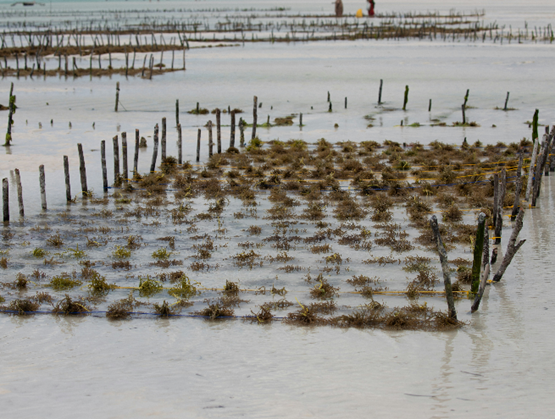
Despite this momentum, COP30 exposed a persistent challenge: agriculture remained largely absent from the negotiated final text. Several observers noted that while side-events and thematic briefings gave high visibility to food systems, the official outcome document contained only minimal reference to agriculture and left out concrete mechanisms for reducing agricultural emissions. Organisations such as the World Resources Institute (WRI) similarly pointed out that the gap between discussion and policy commitment remains considerable, meaning that implementation will depend heavily on national frameworks and the next round of Nationally Determined Contributions for 2035.
Implications for the food industry and for SIAL Paris
Financing emerged as another decisive theme. COP30 reaffirmed that agrifood systems continue to receive insufficient climate funding despite their central role in mitigation and adaptation. Reports released during the conference stressed that without significant, targeted investment, countries will struggle to deliver meaningful transformation. Some philanthropic and public-private announcements, including new commitments for regenerative farming and smallholder climate adaptation, attempted to address this gap, but they remain far from the scale required. Meanwhile, the equity dimension grew stronger throughout the summit: women’s leadership, family farming and the inclusion of low-income producers were repeatedly cited as conditions for any credible food-system transition.
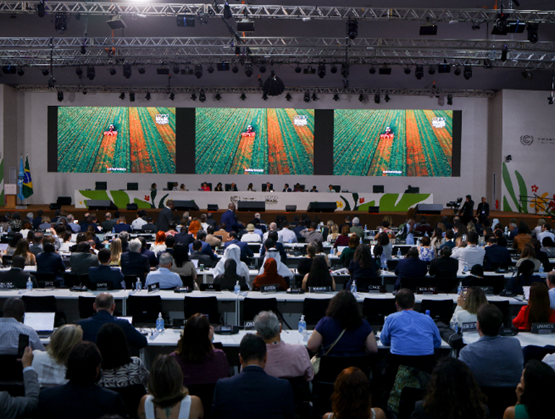
Even in the absence of strong negotiated text, many countries are preparing to integrate food systems more deeply into climate policy through the upcoming Nationally Determined Contributions (NDC) cycle, and companies must prepare for regulatory environments that will evolve accordingly.
This shift is particularly relevant for SIAL Paris. As one of the world’s leading food innovation exhibitions, SIAL brings together the manufacturers, retailers, ingredient suppliers and start-ups that will shape the next decade of food systems. The signals from Belém suggest that sustainability, equity and climate resilience will increasingly influence product development, sourcing models, investment partnerships and storytelling. Exhibitors exploring regenerative ingredients, aquatic foods, new protein sources, low-impact processing technologies or transparent supply-chain systems will find themselves aligned with the direction COP30 has set. At the same time, the funding gaps identified at the summit indicate that the companies showcased at SIAL, especially those innovating around adaptation, soil health, restoration or emissions reduction, may be well positioned to capture the emerging climate-finance opportunities.
COP30 has underlined that food systems are no longer optional in climate action. They are central to it, strategically, economically and socially. For industry leaders looking ahead to SIAL Paris, the message is equally unambiguous: the transformation of food systems is becoming both a climate and business imperative.
Image credit : Rafa Neddermeyer/COP30 Brasil Amazônia
Image credit : Mariola Grobelska - Unsplash
Image credit : Ueslei Marcelino/COP30