THE COFFEE MARKET IN TRANSFORMATION
Trends, innovations, and evolving coffee consumption habits
Coffee plays a central role in the daily lives of French consumers. Far more than just a beverage, it has become a true cultural and social marker. At the crossroads of tradition and innovation, coffee continues to evolve under the influence of changing consumption habits, product innovation, and shifting consumer expectations.
In recent years, the coffee market has undergone a major transformation. The rise of coffee shops, the growing popularity of iced coffee, the emergence of functional beverages, and increasing concerns around ethical sourcing are reshaping the industry.
The French: Heavy coffee consumers
Coffee consumption in France remains particularly high, with an average of 7.2 kg consumed per buyer each year. Globally, Europe accounts for 24% of total consumption, making it the largest coffee-consuming market in the world.
Did you know? Coffee is the most consumed hot beverage, ahead of tea and hot chocolate.
Coffee prices are surging
The price of coffee is highly volatile and influenced by several factors, including climate conditions, crop diseases, and financial market speculation. Over the past six months, prices have increased by more than 60%, putting pressure on the entire value chain.
Why?
- Brazil, the world’s leading producer, is facing severe droughts linked to climate change
- Global demand is increasing, particularly in China
- The market is shifting toward more premium offerings
Maintaining affordable prices is becoming a major challenge for both manufacturers and foodservice operators.
Coffee at the heart of consumer habits across generations
When and where is coffee consumed?
Coffee combines taste enjoyment, relaxation, and social interaction. It is consumed throughout the day.
French consumers typically drink coffee:
- at home in the morning
- at work during breaks or after meals
Which generations are drinking coffee?
Coffee consumption by age group varies significantly. It is more deeply rooted among older generations, with people over 65 consuming nearly twice as much coffee as those aged 18–24.
Did you know?
- The average French consumer drinks 2 to 3 cups per day
- Nearly 1 in 2 people drinks coffee in cafés, bars, or restaurants at least once a week
New ways of consuming coffee
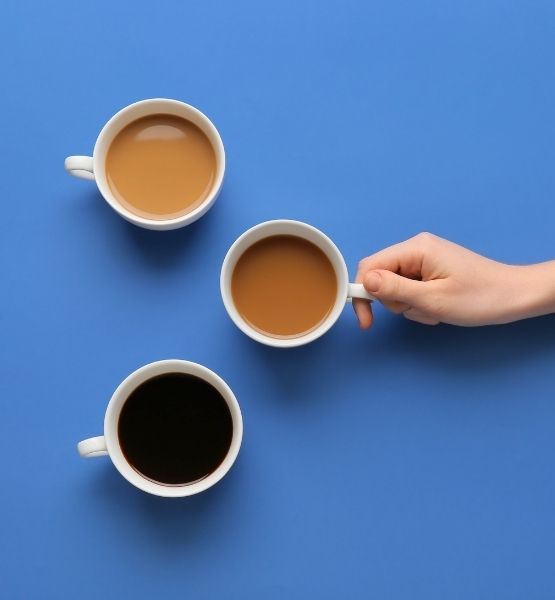
Consumer expectations are rapidly evolving. The market is diversifying to meet a wide range of preferences.
From strong, full-bodied coffees to sweeter, milk-based beverages, brands are continuously innovating to appeal to different taste profiles.
Premium coffee rituals for demanding consumers
Cold brew coffee has become a leading trend. It is made by steeping ground coffee in cold water for 8 to 24 hours, resulting in a less acidic and more caffeine-rich beverage.
Another popular method is slow filtration, which produces a smoother and more aromatic cup.
Nitro cold brew—infused with nitrogen—adds a creamy texture and visually appealing foam, enhancing both taste and experience.
All these methods share a common goal: extracting maximum flavor.
Coffee: an everyday pleasure
A premium product: specialty coffee
Increasingly indulgent recipes
The rise of plant-based milk
Plant-based milk (oat, almond, soy) is becoming a staple in coffee recipes, driven by both nutritional benefits and lower environmental impact.
Did you know? Coffee is rarely consumed on its own:
- 53% add sugar
- 41% pair it with bread
- 39% with pastries
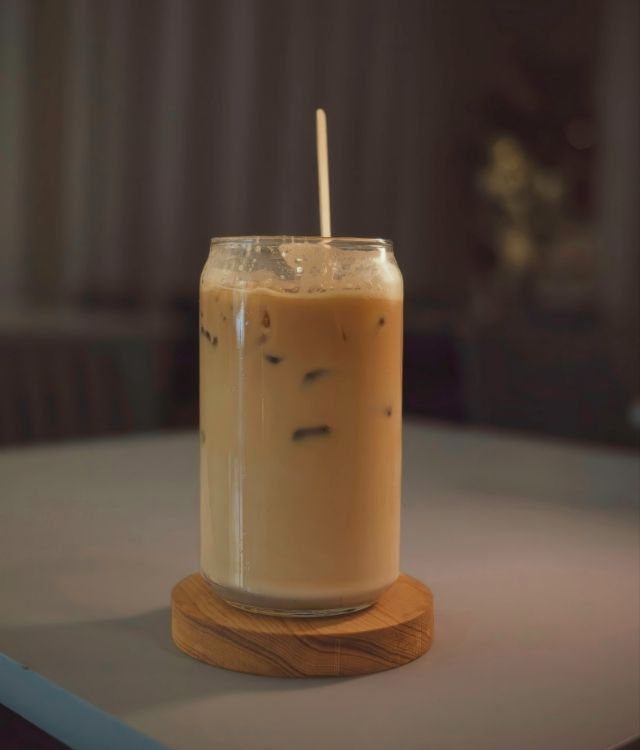
Generation Z’s favorite: iced coffee
Iced coffee has become a major trend among younger consumers. Influenced by US trends, Generation Z is embracing new formats, including:
- cold beverages
- ready-to-dilute coffee concentrates
68% are eager to try new formats.
The rise of coffee shops and barista-style coffee
The coffee shop market is booming in France, reaching €321 million. These venues are no longer just about coffee—they offer a full experience, combining premium beverages, homemade pastries, and a welcoming atmosphere.
Latte Art
Latte art has gained massive popularity, fueled by social media. It turns coffee into a visual and creative experience.
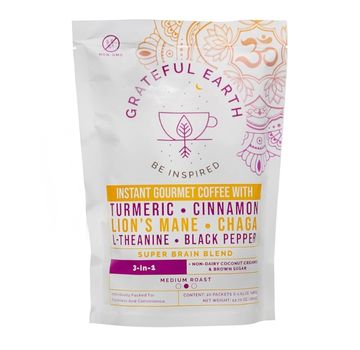
The rise of functional coffee
Functional coffee aligns with the growing focus on health and wellness. It is no longer just about enjoyment—it now delivers added benefits. Superfoods and adaptogens Ingredients such as maca and adaptogenic mushrooms (reishi, cordyceps) are being added to coffee to enhance energy levels and support mental well-being.
Example: GoodNews
This concept offers customizable coffee with functional powders tailored to specific needs: energy, focus, or beauty.
 Latte Art
 Adaptogenic mushrooms
Fair trade coffee
Fair trade coffee is becoming a key purchasing criterion for 30% of French consumers.
The coffee industry faces major challenges:
- insufficient income for producers
- price volatility
- climate change impact
Key certifications:
- Fairtrade (Max Havelaar)
- Rainforest Alliance
- UTZ Certified
- Producer-led labels
The rise of caffeine-free alternatives
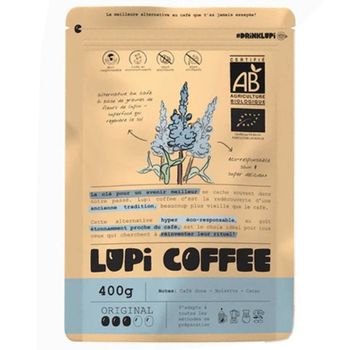
Lupin
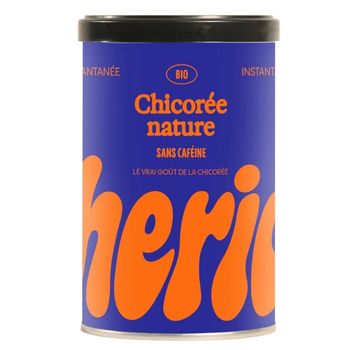
Chicory
Cereals
Coffee innovations:
The coffee market is evolving in response to changing consumer expectations, with growing demand for personalization, quality, and enhanced experiences.
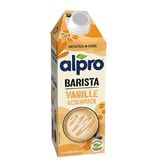
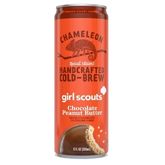
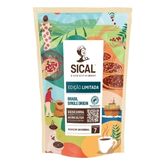
Innovation is particularly focused on barista-inspired beverages, indulgent flavor profiles, origin-focused products, and premium coffee offerings.
Brands are increasingly developing more sophisticated recipes, distinctive taste experiences, and greater transparency to meet consumers’ demand for authenticity.
This trend reflects the transformation of coffee into an experience-driven category, where enjoyment, origin, and perceived quality play an increasingly important role in purchasing decisions.
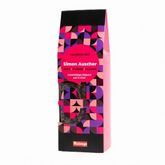
The following examples illustrate these key market trends:
All you need to know about coffee trends
-
Why are coffee prices increasing?Due to climate change, rising global demand, and market speculation.
-
What is specialty coffee?A high-quality coffee with traceability and complex flavor profiles.
-
Why is iced coffee so popular?It aligns with younger consumers’ preferences and global trends.
-
What is functional coffee?Coffee enriched with ingredients that provide health benefits.
-
What are caffeine-free alternatives?Chicory, lupin, and grain-based beverages.