Snacking has become a new way of eating, driven by more flexible lifestyles and growing demand for convenience. Discover how this trend is reshaping eating habits and driving innovation across the food industry.
As a leading showcase of global food trends, SIAL Paris 2026 confirms what is now clear: the food industry has entered the protein era.
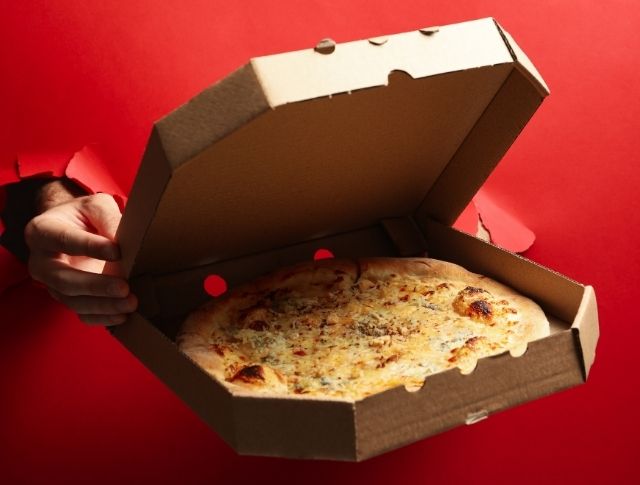
Pizza in a cardboard box

What is snacking?

Traditional eating habits are evolving. The classic model of three meals a day is gradually giving way to more flexible and on-the-go consumption patterns. Snacking and smaller, more frequent eating occasions provide both comfort and functionality for consumers with increasingly busy lifestyles.

Snacking refers to any food consumption outside the three main daily meals that contributes at least 15% of a person’s daily energy intake.

However, snacking covers a wide range of behaviors: a protein bar between meetings, a piece of fruit in the afternoon, chips while watching Netflix, or a smoothie enjoyed on the go. What they all have in common is informal, often mobile, and rarely planned consumption.

Did you know?

Snacking accounts for approximately 20–25% of daily calorie intake in Western countries.

$600B

The global snacking market is now worth more than $600 billion.

91%

of consumers eat at least one snack every day.

64%

of consumers worldwide snack at least twice a day.

95%

of consumers say they snack primarily for enjoyment.

A rapidly growing market

The global snacking market continues to expand. In 2024, the global snacking market was valued at more than $600 billion, with annual growth projected at 4.6% between 2024 and 2029.

In France alone, the sector generated €22.1 billion in revenue and represented 2.1 billion meals served.

Despite inflationary pressures, snacking remains deeply rooted in consumer habits. Most consumers continue to view snacks as an affordable indulgence and are willing to spend on products that deliver enjoyment and convenience.


Did you know?

One out of every two consumers replaces at least one traditional meal with snacks.

53% of consumers say they snack more often today than they did previously.

91% of consumers report eating at least one snack every day.

Globally, 62% of consumers prefer eating several small meals throughout the day rather than a few large meals. Among Gen Z and Millennials, this figure rises to 71%.¹


Consumer expectations are evolving

The key drivers of snacking

Three major factors drive snack purchases today: convenience, taste, and health.

Taste

Flavor remains the number one purchase driver. According to consumer research, 95% of consumers snack primarily for enjoyment, seeking satisfying flavors and textures.

Convenience

Convenience remains the foundation of snacking. Portable formats, ease of consumption, and grab-and-go solutions are essential attributes for modern consumers.

Health

Demand for healthier and more functional snacks continues to grow. Consumers increasingly look for products with fewer calories, higher protein content, added fiber, or specific nutritional benefits.

Snacking today: when do consumers snack?

Gourmet cookies gift boxes

Morning

The morning remains one of the most important moments for snack consumption, particularly among working adults. According to recent studies, 67% take a break during the morning. Coffee breaks are among the most common occasions for snacking throughout the day.
Packaged grab-and-go snacks

Afternoon

Afternoon breaks continue to drive significant snack consumption, with 55% of working adults reporting a dedicated afternoon break. In 2024, 70% of consumers also reported increasing their snack consumption during the afternoon and evening compared with the previous year.
Packaged grab-and-go snacks

Evening

Evening snacking has become a major consumption occasion. Whether watching television, streaming content, or spending time with family and friends, snacks are increasingly associated with moments of relaxation and social sharing.

Pleasure vs. health: a false opposition

As wellness, functionality, and personal health become increasingly important, snacks are now positioned at the intersection of indulgence and nutrition.

However, enjoyment remains the primary driver. According to Mondelez International, 77% of consumers consider snacks to be one of their few everyday pleasures.

At the same time, health no longer means sacrificing taste. More products are successfully combining indulgent experiences with clearly communicated health benefits, whether scientifically proven or perceived.

Packaging increasingly reflects this dual positioning, highlighting both sensory appeal and nutritional claims. For example, some products promote indulgent flavors while also communicating benefits such as collagen support, digestive health, or immune support.

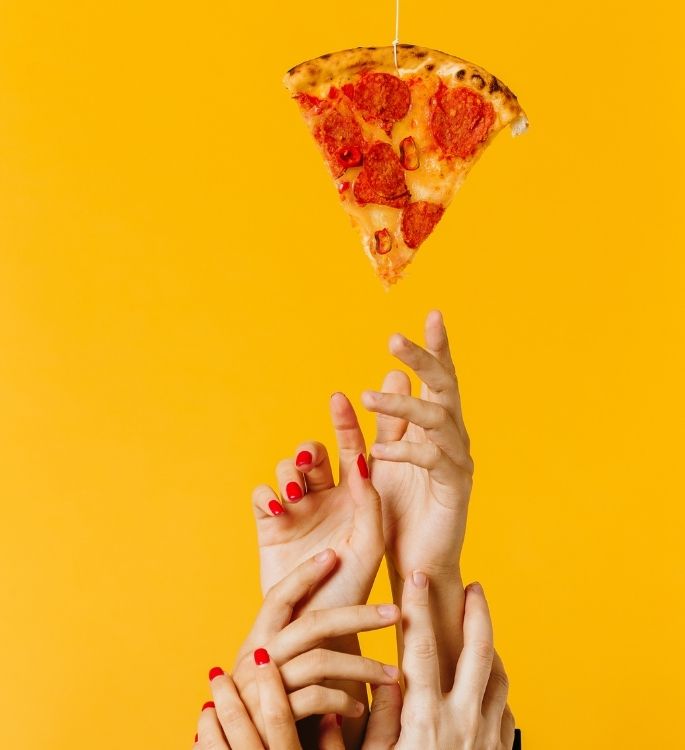
Pepperoni pizza slice

A constant source of innovation

As one of the most dynamic segments of the food industry, snacking continues to generate significant innovation across multiple categories.

A category that constantly reinvents itself

Innovation in snacking can be observed across several areas:

  • Protein-rich snacks and fiber-enriched products
  • Portion-controlled and mini-sized formats
  • New textures and sensory experiences
  • International and globally inspired flavors
  • Functional ingredients and wellness positioning
  • Curious consumers

Consumer openness to innovation remains high

In 2024, 75% of consumers said they feel excited about discovering a new snack product to try, representing an increase of seven percentage points compared to 2023.

Examples of snacking products

Innovations in the snacking world: product examples

Spicy snacking products

Chili as a flavor driver

  • Example 1: WALKERS, United Kingdom – Potato chips with chili and cocoa for Easter.
  • Example 2: TOP FOX, United States – Organic roasted pumpkin seeds with hot honey flavor.
  • Example 3: WALKERS, United Kingdom – Extra hot macaroni and cheese.
Innovative snack textures

Textures: a complete sensory experience

  • Example 1: EAT HAPPY KITCHEN, United States – Natural crispy cheese bites high in protein.
  • Example 2: PALSE, Greece – Crunchy vegetable snacks cooked at low temperature and rich in fiber.
  • Example 3: MAITRE COQ, France – Breaded chicken fillet bites with a melting center.
Global flavor snacking products

World flavors

  • Example 1: COOP, United Kingdom – Indian-style chicken and chutney in a compartmentalized snack tray.
  • Example 2: CHUZA, United States – Seed, nut, and snack mix flavored with Mexican spices.
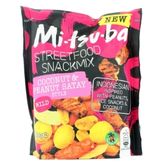
  • Example 3: MI-TSU-BA, Netherlands – Snack mix inspired by Asian street food flavors.
Plant-based snacking products

Plant-based snacking

  • Example 1: CARREFOUR, France – Puffed plant-based snack low in fat and a source of fiber and protein.
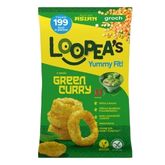
  • Example 2: LOOPEA'S, Poland – Pea-based snacks with Asian flavors and a source of protein.
  • Example 3: IBIS, Italy – Vegan sandwich featuring a Planted meat alternative.
High-protein sports snacks

Sports snacking: high-protein products

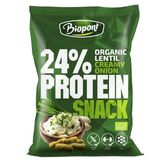
  • Example 1: BIOPONT, Germany – Organic lentil-based protein snack.
  • Example 2: SMARTER SNACKS, Turkey – Indulgent portable protein pancake containing 13g of protein and 4g of fiber.
  • Example 3: THE GYM KITCHEN, United Kingdom – Wraps with very high protein content.
Functional snack products

Functional snacks

  • Example 1: DELHAIZE, Belgium – Fermented dairy drink for immune support in individual bottles, enriched with vitamins D and B6.
  • Example 2: SUN CHIPS, United States – Wavy chips made with whole grains and black beans, rich in fiber.
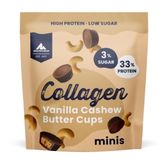
  • Example 3: MULTIPOWER, Germany – Mini chocolate cups filled with nut butter and collagen.
FAQ
FAQ

All you need to know about snacking

  • What is considered a snack?
    A snack is any food or beverage consumed outside the three main meals of the day.
  • Why is snacking becoming more popular?
    Busy lifestyles, flexible schedules, and mobile consumption habits are driving the growth of snacking worldwide.
  • What are consumers looking for in snacks?
    The main priorities are taste, convenience, and health benefits.
  • Are healthy snacks replacing indulgent snacks?
    Not necessarily. Consumers increasingly want products that combine both enjoyment and nutritional value.
  • What are the biggest snacking trends in 2026?
    High-protein products, plant-based snacks, functional ingredients, global flavors, and innovative textures are among the leading trends shaping the future of snacking.