
GLP-1: TOWARDS A FOOD REVOLUTION


Understanding GLP-1 and its impact on appetite and weight loss
GLP-1 (glucagon-like peptide) is a hormone used in some treatments for different types of diabetes and obesity, and it is increasingly attracting attention from food brands for its role in weight regulation. Beyond its medical origins, GLP-1 is now part of broader discussions around nutrition, well-being, and the future of food consumption.
The line between health, diet, and lifestyle is becoming increasingly blurred. Brands are taking note, reshaping their positioning with transparency, support, and experience as key differentiators. This shift reflects a growing demand for food solutions that go beyond indulgence and convenience, and instead offer functional benefits aligned with personal health goals.
GLP-1: the hormone that controls hunger
GLP-1 is a natural hormone produced by the body that affects several functions after a meal. It is produced by cells in the intestine and helps reduce hunger while supporting better blood sugar control. It also slows gastric emptying, which contributes to a prolonged feeling of fullness and reduced calorie intake.
GLP-1 treatments

A medication for type 2 diabetes

Fighting obesity with GLP-1
The rise of GLP-1
Initially reserved for the medical sector, GLP-1 is now shaping consumer expectations, and companies are trying to ride this emerging trend. Consumers are becoming more aware of appetite-regulating solutions, and their interest is influencing product development, marketing campaigns, and restaurant menus. As a result, food brands are rethinking portion sizes, nutritional density, and the role food plays in long-term weight management.
Regulation around GLP-1
GLP-1 treatments are not available on supermarket shelves.
In the US, they are prescription-only for obesity or overweight with comorbidities. Over the counter and compounded versions are prohibited. In France, any doctor can now prescribe GLP-1 treatments, increasing access for patients. Regulatory frameworks remain a key issue as demand continues to grow rapidly.

GLP-1, a trend fueled by social media
Social media has greatly amplified the popularity of GLP-1 treatments. On TikTok and Instagram, thousands share rapid weight loss experiences, creating viral trends. While these posts highlight aesthetic results, GLP-1 is intended for medically necessary weight management. This visibility has nevertheless accelerated consumer awareness and normalized discussions around appetite control.
The illusion of a miracle solution
GLP-1 treatments can cause side effects like nausea, vomiting, and constipation. Weight regain after stopping is common, with about 65% of lost weight typically returning. Long-term medical supervision and a healthy lifestyle are crucial for effective results. Without dietary adaptation, the benefits may remain short-lived.
Muscle loss during GLP-1 treatment
Maintaining muscle mass is essential for health conditioning and daily activity. Around 20–30% of weight lost with GLP-1 may be lean muscle, highlighting the importance of exercise and high-protein diets during treatment. This challenge creates new opportunities for protein-rich and functional food intake solutions.


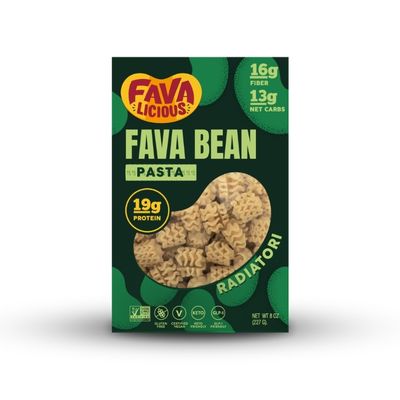

Products adapted to the GLP-1 diet
The rise of GLP-1 has influenced consumer expectations. Appetite is reduced, especially for high-fat or ultra-processed foods, encouraging new products. For example, products high in protein and fiber are designed to support muscle retention and digestive health. Smaller portions with higher nutritional value are becoming increasingly relevant.
The rise of the “GLP-1 friendly” label
Some products now carry the “GLP-1 friendly” label, emphasizing high protein, high fiber, and low sugar and fat content. Currently, this label is marketing-driven in the US, but it has significant influence on consumer choice. It reflects consumers’ desire for guidance in navigating this new nutritional landscape.
Boosting natural GLP-1 production
Some foods focus on naturally stimulating GLP-1 production instead of providing analogues, aligning with the trend toward functional and natural nutrition. Fermented foods, fibers, and plant-based ingredients are increasingly highlighted for this purpose.
GLP-1–friendly menus
Restaurants are adapting to the trend with menus designed for GLP-1 users. Cuba Libre in the US launched a GLP-1 friendly menu with high fiber and smaller portions.
Smoothie King also introduced smoothies for GLP-1 users in 2025, catering to health-conscious consumers. These initiatives illustrate how GLP-1 is reshaping not only products, but also the overall food experience.
Everything you need to know about GLP-1
-
What is GLP-1 and how does it affect appetite?GLP-1, or glucagon-like peptide, is a natural hormone produced by the intestine. It helps regulate hunger and blood sugar after meals. By promoting a feeling of fullness, it reduces appetite, making it useful for type 2 diabetes and obesity treatments.
-
How are GLP-1 treatments used for weight loss?Medical analogues like Ozempic and Wegovy mimic the hormone’s effects. Initially for diabetes management, their appetite-suppressing properties make them effective for obesity. Patients experience reduced hunger, aiding in calorie control, and weight loss.
-
Are GLP-1 treatments available over the counter?No. In the US, they are prescription-only for obesity or overweight with comorbidities. In France, prescriptions were initially limited to specialists but are now accessible through any doctor. Over-the-counter versions or homemade pharmacy versions are prohibited.
-
What are the risks or side effects of GLP-1 treatments?Side effects include nausea, vomiting, and constipation. Additionally, 20–30% of weight loss may be leaning muscle mass. One year after stopping treatment, about 65% of lost weight is often regained, emphasizing the need for ongoing medical guidance, exercise, and a healthy diet.
-
How has the GLP-1 trend influenced food products and menus?GLP-1 has reshaped consumer expectations. Products labeled “GLP-1 friendly” highlight high protein, high fiber, and low sugar and fat. Restaurants offer smaller portion sizes and fiber-rich menus. This trend promotes muscle retention, digestive support, and more balanced nutrition during weight loss.