
THE LIGHTER SIDE OF MODERN EATING

Light meals are difficult to pin down, and that is partly why the category is becoming so commercially interesting. There is no single global definition. A light meal may be a salad, a protein bowl, a smoothie, a frozen ready meal, a pot of Greek yoghurt with fruit, a low-sugar bakery item, a soup, a hot grain bowl or a complete nutrition shake. What unites the category is not one ingredient or one format, but a promise to deliver enough nourishment without excess heaviness.
At its simplest, the light meal is built around balance. Carbohydrates, fats, protein, vitamins, minerals and water remain the nutritional foundation, but the emphasis shifts towards moderation, ingredient quality and digestibility. Low sugar, low fat, low salt and high fibre are recurring cues. So are lean proteins, vegetables, whole grains, controlled portions and simple preparation.
From “diet food” to everyday architecture
The first age of light meals was shaped by calorie control. Lean Cuisine, launched by Stouffer’s in 1981 on a low-fat, low-calorie frozen meal platform, remains one of the clearest early examples of the commercialisation of lighter prepared eating. Its significance lies not only in frozen food history, but in the idea that consumers would buy a complete meal designed around nutritional restraint without giving up convenience.
Four decades later, the language has changed. “Light” no longer simply means “slimming”. It now speaks to time-poor workers, fitness consumers, older adults, people seeking digestive comfort, GLP-1 users, flexitarians, office lunch buyers and shoppers trying to balance pleasure with better-for-you signals. The category sits between fresh food, prepared meals, functional nutrition and snacking.
That explains why the light meals market is less a single market than a cluster of connected food industry sectors. Prepared meals are one anchor. One 2026 market estimate put the global ready meals market at US$190.09 billion in 2025 (around €165 billion), with growth projected through 2035. Smoothies are another. The global smoothie market was estimated at US$14.86 billion in 2025 (around €12.9 billion), with health awareness and convenient nutrition cited as major drivers. Meal replacements and complete nutrition are also moving closer to the centre of the conversation. Reuters reported in March 2026 that Danone had agreed to acquire Huel, which makes plant-based meals, snacks, drinks, and food supplements, for close to €1 billion, positioning the deal around convenient, health-focused nutrition and Huel’s plant-based, nutritionally complete meals and protein snacks.
The new grammar of lightness
The light meal has developed its own grammar. Protein gives satiety. Fibre gives digestive and wellness value. Vegetables add colour, micronutrients and freshness. Whole grains or low-GI carbohydrates provide structure. Sauces, dressings and seasonings are used carefully because consumers still want taste, not punishment on a plate.
The trend is supported by wider health and wellness data. NIQ’s 2025 global health and wellness research found that 53% of consumers across 19 surveyed countries planned to buy more high-fibre foods in 2025, while around 40% planned to buy more superfoods, high-protein plant-based foods or probiotic foods. These are precisely the cues now appearing across modern light meals: chia oats, lentil bowls, high-protein yoghurts, fermented dairy, vegetable-rich soups, chickpea dips, tuna sandwiches, konjac noodles and fibre-enriched drinks.
This is where the category becomes more nuanced. A probiotic capsule is not a light meal. A low-fat yoghurt with probiotics can be. A tub of protein powder is a supplement. A smoothie with fruit, protein, fibre and controlled sugar can function as a light meal. The carrier matters. To belong to the category, the product must still behave like food or drink consumed as part of a meal occasion.
Hot bowls, smoothies and the end of the cold salad cliché
For years, the light meal was visually coded as cold: salad leaves, grilled chicken, dressing on the side. That image is now too narrow. In China, the development of “new Chinese-style light meals” has shown how local cuisines can reinterpret the concept through steaming, boiling, stewing, braising and mixing rather than simply importing Western salad culture. The global lesson is clearly that light meals do not have to be cold, raw or minimalist. They can be hot, local, spiced and comforting.
This opens the door to a much broader innovation field. In Europe, a light meal might be a lentil and roasted vegetable bowl, a soup with seeded bread, or a chilled dairy pot with fruit and grains. In North America, it could be a frozen high-protein entrée, a smoothie bowl, a turkey wrap or a portion-controlled ready meal. In Asia, it may take the form of rice bowls with lean toppings, steamed fish sets, mixed noodles with vegetables, or delivery-friendly hot bowls. In the Middle East and Mediterranean markets, hummus, wholegrain flatbreads, grilled vegetables, labneh and seafood can all be part of the same movement.
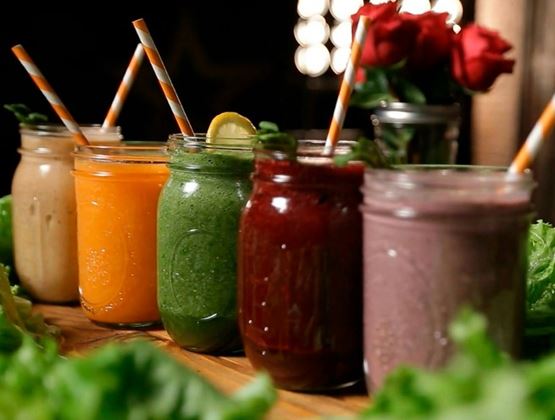
Smoothies deserve particular attention because they compress the light meal promise into a portable format. They can be breakfast, post-workout recovery, snack or lunch substitute. Their appeal lies in speed and customisation, but the challenge is credibility. A smoothie can be rich in fruit, fibre and protein, or it can become a sugar-heavy drink with a health halo. The next stage of the market will likely reward clearer nutritional positioning, transparent sugar content and formats that feel filling without becoming heavy.
Convenience gets more intelligent
The light meal’s commercial power comes from a simple tension. Consumers want convenience, but they no longer want convenience to look careless. This is reshaping retail, foodservice and delivery. The old distinction between ready-made and freshly prepared is softening. A chilled grain bowl, a microwaveable vegetable curry, a protein yoghurt, a smoothie, a sushi box and a frozen Lean Cuisine-style meal may now compete for the same lunch occasion.
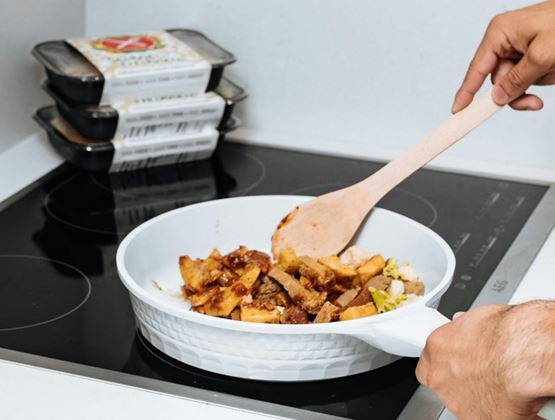
GLP-1 medications are adding another layer to this shift. GLP-1-related eating patterns are pushing interest in smaller portions, high-protein foods, fibre-rich ingredients and functional nutrition, including protein-enriched ready meals and nutritional drinks. This does not make light meals a medical category, but it does reinforce the wider move towards smaller, more nutrient-dense formats.
For brands, the opportunity is not to strip food down to austerity. It is to design meals that feel composed, pleasurable and useful. That may mean Mediterranean-style vegetable and tuna bowls, Japanese-inspired miso soups with tofu, high-protein breakfast pots, low-sugar dairy snacks, seeded bakery formats, chilled soups, or ready meals with recognisable ingredients and balanced macronutrients.
At SIAL Paris, taking place from 17 to 21 October 2026 at Paris Nord Villepinte, this evolution will naturally find its way into the wider conversation around innovation, health, convenience and the future of eating. For food innovation shows, light meals are not a small side category. They are a lens on how people increasingly want to eat: quickly, consciously, flexibly and without turning every meal into a compromise.
Image credits:
Mister mister - Pexels
Dan Gold - Unsplash
Jugoslocos - Unsplash