
LUNCH IN THE AISLES: HOW GROCERANTS ARE CHANGING LUNCH BREAKS

As odd as it once would have seemed, eating lunch inside a grocery store is becoming a defining trend of 2025. A recent SIAL Unpack video highlights how supermarkets and food retailers are transforming their spaces to include seating and ready-to-eat dishes, inviting shoppers to linger where they once merely passed through. What was once a simple trip to fetch ingredients is now a multi-sensory encounter with food itself, blurring the line between purchase and consumption. This new lunch break is more than convenient; it is the result of evolving lifestyles, tighter budgets and a desire for shared experiences that fit around rather than interrupt the working day.
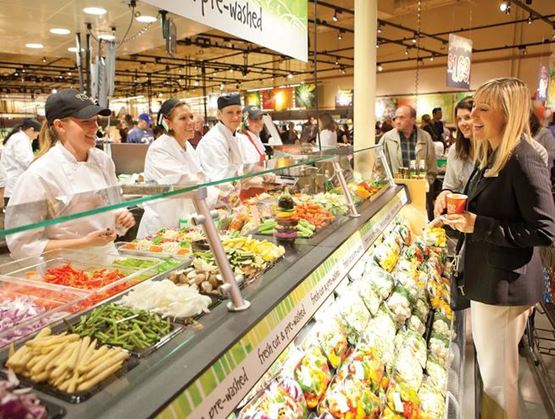
Retailers are responding by turning aisles into dining venues and fresh counters into casual eateries. Known in industry circles as grocerants, these hybrid formats combine supermarket convenience with restaurant appeal. Shoppers are drawn to the format because they can choose a fresh salad, a chef-prepared dish or a local speciality and eat it on site before picking up groceries on their way out. In France and beyond, this experience-driven retail is redefining what food means at midday.
Drivers of the new lunch routine
The forces reshaping the lunch break are both cultural and economic. With more people working flexibly or partly from home, traditional lunch patterns have fractured and shifted toward more informal, faster and more personalised eating habits. Research highlighted by SIAL’s trend analysis shows that eating occasions are becoming more fluid, with consumers favouring convenient, flavour-driven meals that do not interrupt the rhythm of the day. The appeal of easily accessible, freshly prepared dishes aligns closely with broader lifestyle changes, including hybrid work, urban mobility and rising expectations of quality even in quick-service formats.
There are broader economic pressures too. Inflation, rising ingredient costs and changing household budgets have encouraged shoppers to seek value without sacrificing quality. Grocerants offer a perceived “best of both worlds”. They meet these needs by offering variety and immediacy. They often feature local produce, artisan breads, ready-to-eat salads, innovative drinks and deli counters curated by chefs or food specialists.
They offer restaurant-style food at supermarket prices, within an environment that feels both social and convenient. Retailers have also discovered that dwell time and customer loyalty increase when shopping is coupled with dining.
Grocerant models shaping global lunchtime habits
Grocerants approach the idea differently depending on their local market, but they are all responding to similar demands for freshness, speed and convenience. In London, Corner Shop 180 blends artisan retail with café culture, emphasising premium, fresh, grab-and-go options alongside a curated grocery assortment.

The American market is expanding rapidly. Next Door by Wegmans in New York illustrates how a supermarket brand can successfully extend into restaurant territory with a dedicated dining concept. Meanwhile in California, Erewhon exemplifies the high-end, health-driven grocerant model, attracting customers with organic meals, functional beverages and prepared dishes that reflect current wellness trends.
These formats sit alongside players like Whole Foods Market, which built its reputation on in-store dining bars and prepared food counters, and Trader Joe’s, which continues to shape meal-ready product innovation for immediate consumption. In France, Galeries Lafayette Le Gourmet has become another emblematic example, blending premium food retail with casual dining zones that invite shoppers to stay longer and explore.
A growing market backed by data and consumer demand
Their momentum is supported by a growing body of data. According to The Food Institute, grocerants are projected to reach 20 per cent of all foodservice sales by 2027, reflecting how mainstream the format has become.
The broader food-to-go segment continues to grow at a faster pace than traditional grocery, with a EuroCommerce and McKinsey report forecasting an annual growth rate of around 8 Consumer sentiment reinforces these trends. A Deloitte study reports that nine out of ten shoppers consider fresh, ready-to-eat foods essential for a healthy lifestyle and are increasingly willing to pay more for high-quality convenience.
Together, these indicators reveal a fundamental shift in expectations. Today’s grocery visit is not limited to browsing aisles; it often involves selecting a freshly prepared meal, enjoying it on site and continuing with shopping afterwards. Grocerants create an environment where discovery, dining and retail blend seamlessly, increasing dwell time and strengthening shopper loyalty.
At SIAL Paris, one of the world’s leading international food expos, this evolution is resonating across discussions and exhibitor showcases. Grocery products exhibitors and innovators are presenting new ready-to-eat concepts, flavour-forward meal solutions and next-generation convenience formats designed specifically for these hybrid retail-dining environments. The new lunch break, shaped by grocerants and shifting consumer habits, is now a core theme within the wider transformation of the food sector.
Image credits: Maison Plisson, Wegmans