
HORTICULTURE DRIVING THE FUTURE OF FOOD INNOVATION

The boundaries between agriculture and food innovation are becoming increasingly porous. Horticulture, once associated primarily with ornamental plants or traditional crop production, is now positioned at the centre of product development, culinary creativity and technological experimentation. Across global markets, plant-based ingredients are no longer confined to staple categories. They are being reimagined as sensory experiences, functional solutions and premium products.
This shift reflects broader transformations in consumer behaviour. Demand for naturality, traceability and health has accelerated, while visual appeal and originality have become equally decisive. In this context, horticulture is not only supplying raw materials but actively shaping the direction of innovation across the food industry.
Edible flowers and the rise of sensory-driven gastronomy
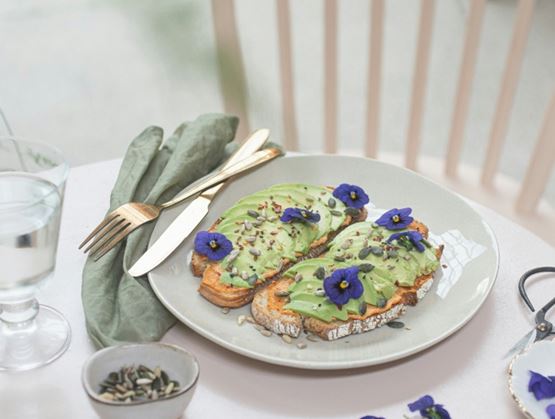
Among the most visible manifestations of this evolution is the growing use of edible flowers. Once reserved for fine dining, they are now entering mainstream product categories, from beverages to confectionery and ready-to-eat meals. Their appeal lies in a combination of visual sophistication and perceived naturality, aligning with consumer expectations for products that are both aesthetic and minimally processed.
Chefs and manufacturers are exploring varieties such as hibiscus, lavender and rose not only for decoration but also for their aromatic profiles. Floral infusions, syrups and extracts are increasingly present in premium beverages, including botanical soft drinks and low-alcohol alternatives. This development points to a broader premiumisation trend, where differentiation is achieved through sensory complexity rather than volume.
The visual dimension is equally important. Social media platforms have amplified the importance of presentation, encouraging brands to develop products that are “instagrammable” without compromising on authenticity. Edible flowers respond directly to this demand, offering colour, texture and storytelling potential in a single ingredient.
Microgreens, functional herbs and urban proximity
Parallel to this aesthetic trend, microgreens and functional herbs are gaining traction as nutrient-dense ingredients. Varieties such as pea shoots, radish microgreens, broccoli sprouts or micro basil are increasingly featured in both foodservice and retail, appreciated for their intense flavours, vibrant colours and perceived health benefits. Broccoli sprouts, for example, are often associated with high levels of sulforaphane, while radish microgreens bring both peppery notes and visual contrast to dishes. Their compact format and freshness also appeal to chefs seeking precision and consistency, as well as to consumers drawn to ingredients that combine taste, nutrition and visual appeal in small portions.
The global momentum behind functional ingredients is evident across categories. Functional beverages, for instance, continue to expand, with products incorporating botanicals and plant extracts gaining market share. This dynamic extends naturally to horticulture, where herbs such as basil, mint or coriander are being positioned not just as flavouring agents but as contributors to wellbeing.
Production models are also evolving. Microgreens are particularly suited to urban farming systems, allowing cultivation close to consumption points. This proximity supports shorter supply chains, fresher products and reduced environmental impact. Urban agriculture is increasingly seen as a response to both logistical constraints and sustainability concerns, reinforcing its relevance across the food processing industry.
Botanical innovation across product categories
Horticulture is also driving innovation beyond fresh produce. Botanical ingredients are being integrated into a wide range of processed foods and beverages, from oat or almond-based dairy alternatives infused with lavender or chamomile, to kombuchas enriched with hibiscus, elderflower or ginger. Functional coffees incorporating adaptogenic plants such as ashwagandha or lion’s mane mushroom further illustrate how plant-based components are moving into everyday formats.
The beverage sector offers a particularly clear illustration. Botanical drinks, including infused waters and herbal teas, are benefiting from the same drivers as functional beverages, where consumers seek added value beyond basic consumption. Products such as cucumber and mint flavoured waters, rose or jasmine iced teas, and sparkling drinks infused with basil or thyme highlight how familiar herbs and flowers are being repositioned as premium ingredients. This trend underscores how plant-based ingredients are becoming central to product differentiation.
At the same time, plant-based alternatives continue to evolve in complexity. Beyond simple substitutions, manufacturers are developing products that incorporate multiple botanical components to enhance flavour and nutritional profiles. Plant-based yoghurts may combine coconut, almond and passionflower extracts, while meat alternatives increasingly integrate herbs, beetroot or spinach for colour, taste and nutritional balance. Flowers, herbs and microgreens are increasingly used as complementary ingredients, contributing to both formulation and storytelling.
This convergence of horticulture and product innovation reflects a wider transformation across the food industry sectors, where raw materials are no longer passive inputs but active drivers of brand identity and consumer engagement.
Next-generation production and controlled environments
Vertical farming, in particular, has gained attention for its ability to produce crops in stacked layers within urban environments. By controlling light, temperature and nutrients, these systems enable year-round production with reduced water usage and minimal land requirements. While still developing economically, they are increasingly integrated into supply chains for high-value crops such as herbs and microgreens.
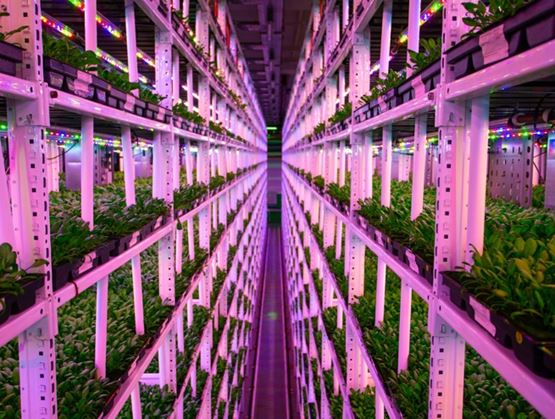
Advanced greenhouse technologies are also evolving rapidly, incorporating automation, data analytics and artificial intelligence to optimise yields and resource efficiency. These systems allow producers to respond more precisely to market demand, adjusting production volumes and crop varieties in real time.
Consumer expectations: between health, transparency and experience
At the heart of these changes are evolving consumer expectations. Natural ingredients, clean labels and traceability are now baseline requirements rather than differentiators. At the same time, consumers are seeking products that offer both functional benefits and emotional engagement.
Health remains a central driver. The growing prevalence of lifestyle-related conditions has reinforced interest in foods perceived as beneficial for digestion, immunity or overall wellbeing. This trend is closely linked to the rise of functional ingredients and personalised nutrition, where consumers expect products tailored to specific needs.
Transparency is equally critical. Short supply chains, local sourcing and clear labelling are increasingly valued, particularly in urban markets. Horticulture, with its capacity for local and controlled production, aligns well with these expectations.
Finally, experience plays a decisive role. Whether through visual appeal, flavour innovation or storytelling, products must capture attention in a crowded marketplace. Edible flowers, microgreens and botanical ingredients offer a versatile toolkit for achieving this balance between substance and style.
From cultivation to exhibition
The convergence of horticulture, technology and consumer demand is reshaping how the food industry approaches innovation. Plant-based production is no longer confined to agriculture but extends across product development, branding and distribution strategies.
This transformation is reflected in major gatherings across the global food ecosystem. At Sial Paris, horticulture-driven innovations are increasingly visible, from botanical beverages to next-generation farming solutions. As a leading food industry trade show, the event provides a platform where producers, manufacturers and innovators explore how plant-based ingredients can respond to evolving market expectations.
In this landscape, horticulture emerges not simply as a source of raw materials but as a catalyst for change, linking production, creativity and technology in ways that continue to redefine the future of food.
Images credits: Francesco Gallaroti, Petr Magera, Micheile Henderson from Unsplash