
FRANCE’S EGG SHORTAGE UNCOVERS VULNERABILITIES IN OUR FOOD SYSTEMS

In recent weeks, for many in France, the simple act of shopping for ingredients has taken an unexpected twist: empty spaces where cartons of eggs once sat, or shoppers wondering whether their favourite recipe will come together without that key starting point for a classic omelette or a rich quiche. Across the country, eggs, one of the most basic staples of the household kitchen, have become a signifier of broader pressures within food systems. What might seem like a local inconvenience speaks to deeper structural shifts in consumption and supply chains, with implications reaching from farmyards to the halls of major gatherings such as SIAL Paris, the international food trade show where food professionals from around the world converge to explore resilience, sustainability, innovation and future trends.
Underlying causes and current supply dynamics
France’s egg shortage has been building for several years as consumer patterns shift. Average consumption has climbed steadily, reaching around 226 eggs per person per year in 2024 and edging closer to an estimated 240 eggs per capita in 2025, placing France among the highest consumers in Europe. Over recent years, this growing appetite has translated to roughly 300 million additional eggs sold each year as household purchases accelerate.
The increase has been driven in part by rising prices for alternative proteins and a renewed interest in eggs as an affordable, versatile staple. Producers have struggled to keep pace, and outbreaks of avian influenza further tightened supplies by curtailing output and prompting stricter controls on poultry operations.
Snowy winter weather and transport disruptions have compounded delays in moving eggs from farms to retailers, leaving even eggs ready for collection temporarily stranded. Together, these pressures have pushed out-of-stock rates on supermarket shelves to levels several times higher than normal, according to industry sources tracking supply levels.
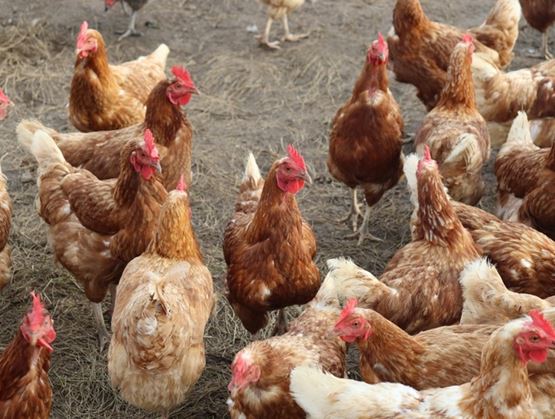
At the heart of this challenge is a mismatch between rising demand and a production system that operates on long cycles. Hens require months to mature and begin laying, and investments in expanded housing or new farms cannot be reversed overnight.
Meanwhile, logistics constraints continue to test distribution networks still feeling the effects of recent weather and pandemic-era disruptions. Even temporary interruptions, such as a 36-hour ban on heavy truck movement in parts of the country, can ripple instantly across regional supply chains, delaying deliveries and amplifying shortages in major cities like Paris.
European and global perspectives
France’s experience resonates beyond its borders. Across parts of Europe, similar patterns of shortages have emerged in recent months. Recent industry reports note supply tightening in countries such as Poland and the Czech Republic, where outbreaks of avian influenza and other poultry diseases have led to elevated wholesale prices and reduced availability, now reflected at retail level. Elevated demand for affordable protein sources, pressure on farming systems and evolving animal welfare regulations are also affecting the situation. In some neighbouring countries, imports and cross-border supply agreements have helped ameliorate local shortfalls by supplementing domestic production.
On the global stage, egg markets show diversity in trajectories. China, for example, currently battles oversupply and price declines in certain regions while investing in balancing production and demand, illustrating the complex nature of international egg markets.

The United States has also grappled with egg market volatility, where outbreaks of the highly pathogenic avian influenza (HPAI) previously led to dramatic culls and upward pressure on prices. As conditions have softened, wholesale prices in the U.S. have fallen from recent peaks, offering a glimpse of how markets can adjust and respond to shifting epidemiological and market conditions.
These international perspectives underscore that France’s shortage is not an isolated phenomenon but part of a broader set of global dynamics affecting food supply chains, including consumer behaviour, disease management, and trade relationships.
A turn toward resilience and positive outlooks
While current shortages have been disruptive, there are signs within the industry that longer-term improvements may be on the way. French authorities and sector associations have announced significant plans to increase laying hen populations and expand capacity, with expectations that this “chicken boost” will begin to take effect in the second half of 2026. If these efforts proceed as planned, they could help align supply more closely with demand by summer and autumn, easing pressure on retailers and lowering the frequency of empty shelves.
In a broader sense, the challenges have spurred innovation and adaptation. Producers and distributors are investing in enhanced biosecurity, diversified protein offerings, and alternative distribution strategies to build more resilient supply chains. New technologies in hatcheries, digital tracking, and automated logistics are gaining traction, and there is growing interest among food-industry players in developing egg substitutes and fortified alternatives that can complement traditional production. These developments reflect a wider recognition that resilience in the food sector depends on embracing innovation across production, supply, and consumer engagement.
The upcoming SIAL Paris in October provides a timely platform for these conversations. Restaurants, retailers, processors and innovators alike can explore how to navigate volatility in staple commodities and leverage trends toward sustainability and efficiency. The shortage of eggs may have been visible in kitchen aisles and headlines, but its lessons are already informing the strategies of tomorrow’s food systems.
In the end, while the sight of empty egg cases may frustrate cooks and shoppers alike, it also catalyses reflection and action across the industry. With coordinated efforts, increased capacity on the horizon, and global cooperation on supply chain challenges, the outlook for egg availability is poised to improve. The humble egg, foundational to countless recipes and cultural traditions, remains central, but its scarcity has underscored just how interconnected and dynamic the world’s food systems have become.
Image credits:
Engin Akyurt – Unsplash
Polly Sadler – Unsplash