
EASTER CHOCOLATE: WHERE TRADITION MEETS INNOVATION

Easter chocolate has long been anchored in tradition, yet it increasingly functions as a platform for experimentation. Across food industry sectors, manufacturers and chocolatiers are rethinking not only flavours and shapes, but also processes, textures and consumer experiences. This dual dynamic between heritage and innovation is particularly visible in the work of SIAL Paris exhibitors, where research and development plays a central role.
Tradition meets R&D in chocolate making
The enduring appeal of Easter chocolate lies in its recognisable formats: eggs, rabbits and moulded figures that evoke ritual and nostalgia. Companies such as Valrhona continue to emphasise origin cocoa, terroir and artisanal expertise, maintaining a strong link with traditional chocolate-making techniques while refining flavour precision through controlled fermentation and roasting processes.
At the same time, research and development is reshaping how these products are conceived. Advances in tempering, crystallisation and ingredient blending allow for greater consistency and new sensory outcomes. Barry Callebaut, for example, has invested heavily in R&D to explore novel cocoa compositions and textures, including innovations such as ruby chocolate, which introduces both a distinct colour and flavour profile.
This balance between tradition and science underscores a broader shift across the food processing industry, where heritage products are increasingly supported by technical expertise. According to recent industry analyses, investment in food R&D has accelerated globally, driven by the need for differentiation, sustainability and efficiency. Even in a category as symbolic as Easter chocolate, innovation is becoming a structural component rather than an occasional addition.
New textures, formats and sensory experiences
Texture has emerged as a key area of experimentation. Beyond the familiar snap of a chocolate shell, manufacturers are exploring layered constructions, aerated interiors and hybrid inclusions. Companies such as Neuhaus are developing pralines and seasonal assortments that combine creamy fillings with crunchy or biscuit elements, creating more complex mouthfeel experiences.
This evolution stems from changing consumer expectations. Shoppers are increasingly seeking multi-sensory products that combine taste, texture and visual appeal. As seen across broader product development trends, chocolate is no longer a single-texture indulgence but a composite experience.
Format innovation is also expanding the category. Miniaturised portions, modular chocolate pieces and shareable formats respond to more flexible consumption habits. These developments align with wider shifts towards individualisation and snacking within the global food market.
At the same time, premiumisation remains central. Easter chocolate continues to position itself as a seasonal treat, yet brands are working to make premium quality more accessible. Lindt & Sprüngli illustrates this approach by offering a range that spans from everyday products to higher-end variations with refined ingredients and presentation. This dual positioning allows brands to maintain broad appeal while elevating perceived value.
High-tech chocolate: from 3D printing to connected packaging
Technological innovation is increasingly visible in chocolate production and presentation. Experimental applications such as 3D printing are opening new possibilities for intricate shapes and personalised designs. While still emerging, these techniques and digital tools can intersect with traditional confectionery.

Technological innovation is increasingly visible in chocolate production and presentation. Experimental applications such as 3D printing are opening new possibilities for intricate shapes and personalised designs. While still emerging, these techniques and digital tools can intersect with traditional confectionery.
Automation and data-driven production are also reshaping manufacturing. Precision control over temperature, humidity and timing improves both quality and efficiency, enabling consistent results at scale. This integration of technology reflects a wider transformation within the food innovation show landscape, where digitalisation is influencing product development across categories.
Packaging is another area undergoing rapid change. Interactive and connected packaging solutions are being explored to enhance consumer engagement. QR codes, augmented reality features and traceability tools allow brands to tell richer stories about sourcing, production and craftsmanship. For companies such as Cémoi, which emphasise transparency in cocoa sourcing, these technologies reinforce trust and brand identity.
Sustainability considerations further drive innovation in packaging. Reduced plastic use, recyclable materials and reusable designs are becoming standard expectations rather than optional features.
A global perspective on Easter chocolate
While deeply rooted in European traditions, Easter chocolate has become a global category with diverse interpretations. In markets such as North America and Asia, seasonal chocolate is often adapted to local tastes, incorporating flavours such as matcha, tropical fruits or caramelised nuts.
Ferrero exemplifies this international approach, combining globally recognised products with regional variations to meet different consumer preferences. This strategy highlights how Easter chocolate functions as both a cultural product and a commercial platform.
Premiumisation and accessibility coexist across these markets. While high-end artisanal products continue to attract attention, large-scale manufacturers ensure that seasonal chocolate remains widely available. This balance supports the category’s resilience and ongoing growth.
Recent data suggests that the global chocolate confectionery market continues to expand steadily, with seasonal products contributing significantly to annual sales cycles. Easter remains a key commercial moment, providing opportunities for both innovation and volume.
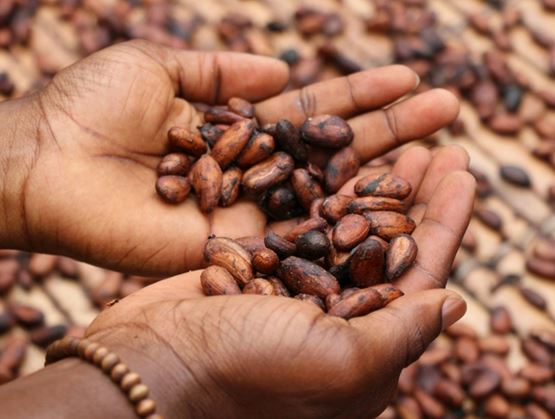
At the same time, ethical sourcing and sustainability are increasingly influencing purchasing decisions worldwide. Brands such as Tony’s Chocolonely highlight the importance of transparency and fair trade, aligning seasonal indulgence with broader social concerns.
A seasonal category as a testing ground
Across the food exhibition 2026 landscape, exhibitors are using this category to explore new materials, technologies and consumer experiences while maintaining its symbolic foundations.
The interplay between craftsmanship and innovation is particularly evident. From advanced processing techniques to interactive packaging and evolving textures, chocolate serves as a medium through which broader industry transformations can be observed.
At SIAL Paris, this dynamic becomes especially visible. The event brings together a wide spectrum of exhibitors, from artisanal producers to global manufacturers, offering a comprehensive view of how the category is evolving across markets. In this context, Easter chocolate is a reflection of how the food sector continues to innovate while staying connected to its cultural roots.
As research, technology and consumer expectations continue to shape the industry, even the most familiar products are being reimagined. Easter chocolate, with its blend of heritage and experimentation, remains a compelling example of how innovation often begins with tradition.
Images credits: Nigel Hoare, Etty Fidele, Snapmaker from Unsplash