THE FUTURE OF DAIRY UNDER REVIEW

The global dairy sector is entering a period defined by imbalance. A recent SIAL Unpack video highlights a striking contrast: output is accelerating in major exporting regions such as New Zealand and the United States, while production in China and Australia is contracting under economic pressure and climate stress. This creates an unusual situation in which supply outpaces demand, contributing to a four per cent fall in the Global Dairy Index in September and fuelling sharper price swings. At a moment when the food industry sectors search for stability, falling prices and tightening margins place increasing pressure on producers to manage risk and operate more efficiently.
The OECD and FAO confirm that global milk output continues to expand, growing at roughly 1.8 per cent per year, driven largely by higher yields rather than larger herds. Emerging regions such as India and Pakistan absorb much of this growth, yet consumption in mature markets shows signs of slowing. In high-income countries, fluid milk consumption continues to soften while value-added dairy remains robust. According to the SIAL Paris Trend Book, worldwide dairy consumption is expected to rise by fourteen per cent between 2023 and 2032 and global retail sales of dairy should climb twenty-eight per cent by 2028, even as certain categories stagnate. This divergence between volume growth and shifting product preferences captures the complexity of the current moment.
Europe and North America reshape their dairy identities
Europe remains a heavyweight in global dairy, producing around 155 million tonnes of milk annually. Germany, France, Poland, the Netherlands, Italy and Ireland together account for more than seventy per cent of EU output. Although total production remains high, the herd continues to shrink as yields rise, with around twenty million dairy cows recorded in 2023. However, the continent faces familiar pressures. According to market forecasts, EU milk deliveries are likely to contract slightly in 2025 due to environmental regulation, tight production margins and disease outbreaks.
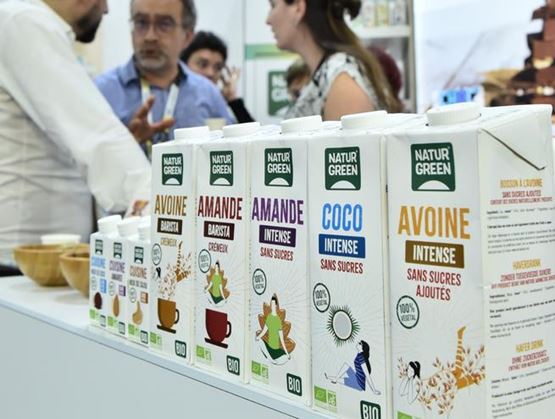
Still, Europe retains its central role in dairy innovation and cheese production. France alone sold €27 billion worth of dairy products in 2024, seventy per cent of which was cheese, and remains the world’s second-largest cheese exporter with six billion dollars in exports recorded in 2023. Meanwhile, organic dairy continues to grow as consumers seek cleaner labels, and plant-based alternatives are gaining traction. Between 2020 and 2022, alternatives to cheese grew by an extraordinary 674 per cent, illustrating a diversification that would have seemed unlikely just a decade ago.
Across the Atlantic, the North American dairy market is evolving at pace. Valued at USD 144.6 billion in 2025 and projected to reach USD 174.5 billion by 2030, the region is shaped by a retail landscape that increasingly favours convenience and variety. Supermarkets and hypermarkets account for more than half of dairy sales, supported by an expanding network of more than 150,000 convenience stores. Changing lifestyles also influence consumption patterns, with over 23 million people eating outside the home at least once per week, driving demand for portable dairy formats and innovative drinks.
Health-conscious consumers add another layer of transformation. Modern dairy formulations emphasise protein content, lower saturated fats and minimal processing, aligning with broader wellness trends. According to USDA data, US milk production is expected to grow modestly in 2025 as farmers expand herds while navigating volatile commodity markets. Cheese consumption continues to rise, supported by strong demand for butter-rich baked goods and cheese-based foods. The average consumer in the U.S. ate about 42.3 pounds of cheese in 2023. Imports of butter and cheese have also increased as consumers gravitate towards premium speciality products.
Innovation, volatility and the shifting meaning of value
The current dairy market is shaped as much by innovation as by economic pressure. According to the Trend Book produced by CNIEL and SIAL Paris, the global dairy market was valued at USD 893 billion in 2022 and is projected to reach USD 1,243 billion in 2028, reflecting both expanding consumption and a premiumisation of products worldwide. At the same time, producers must contend with falling milk prices in certain regions. The price of conventional milk fell by twenty-eight per cent in July 2023 compared with the previous year, while organic milk prices dropped only eleven per cent, showing how alternative production models can act as buffers in volatile markets.
This volatility encourages both diversification and experimentation. Many processors are shifting focus from commodity milk powders to cheese, yoghurts and hybrids that blur the line between dairy and plant-based products. The latter is one of the fastest-rising categories in the global food sector, propelled by sustainability concerns and demand for new textures and flavours.
A changing sector finds its global showcase at SIAL Paris
SIAL Paris, the world’s leading international food trade show, offers an essential vantage point for observing these rapid shifts. In 2024, the event welcomed 407 exhibitors presenting dairy products, with eighty-six per cent coming from outside France and a high satisfaction rate among participants. Visitors discovered everything from speciality international and French dairy products to next-generation plant-based alternatives, with the SIAL Innovation award for dairy going to snEco for its crispy dried cheese.
As the international food expo takes place again in 2026, buyers and professionals from across the world will be able to explore a dairy universe in transformation. From traditional milks and butters to lactose-free yoghurts, functional dairy snacks, hybrid cheeses and plant-derived proteins, the dairy sector at SIAL Paris reflects both the trends and the possibilities shaping the global market. It is at this international food industry exhibition that the sector’s future will be tested, tasted and reimagined.