
CHOCOLATE THROUGH TIMES OF TRANSFORMATION

There is a special kind of anticipation that comes with opening a box of chocolates in December. The soft lift of the lid, the gleam of gold foil, and the important moment of choosing the first piece is almost ceremonial. Chocolates are exchanged between colleagues, offered to hosts, tucked beneath Christmas trees and shared after long holiday meals when everyone insists they cannot eat another bite… until the pralines appear.
Chocolate, in all its forms, from bars to truffles, tablets, and ganache-filled assortments becomes part of the season’s emotional landscape. As the festive rush approaches, for many, its presence feels as essential as twinkling lights, mulled wine or the first frosty mornings. Whether gifted, nibbled, unwrapped or passed around a crowded table, chocolate anchors the small joyful rituals that define the holidays.
Global and French consumption trends
Worldwide, chocolate consumption remains particularly high in Europe, where centuries-old confectionery traditions continue to shape modern habits. According to recent data, Luxembourg leads the world with 27.1 grams of chocolate consumed per person per day, followed by Iceland (19.7 g/day), Montenegro (19.6 g/day), Latvia (18.8 g/day) and Ireland (16.7 g/day).
Luxembourg’s striking position at the top of the ranking could be attributed to its close proximity to Europe’s chocolate powerhouses, Belgium, France, Switzerland and Germany, all of which have long, prestigious chocolate-making traditions, vibrant retail landscapes and strong cross-border shopping patterns. Access to high-quality chocolate, both artisanal and industrial, is woven into daily consumption across the region.
In France, per-capita consumption sits at around 7.3 kg per year, above the European average, confirming chocolate’s central role in French households, especially during festive periods.
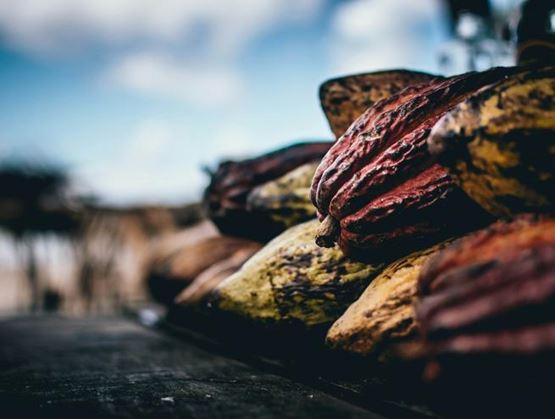
However, this year, festive indulgence has turned bittersweet at the cash register, where higher prices are hard to ignore. Over the past two years, cocoa prices have climbed to historic highs, reaching $10.75 per kilo last January, driven by a convergence of pressures on the world’s largest producing regions. In Côte d’Ivoire and Ghana, which together supply more than 60% of the world’s cocoa, erratic weather linked to El Niño, ageing plantations and widespread disease sharply reduced yields. These supply constraints collided with rising production costs, from fertiliser to energy and transport, putting additional strain on manufacturers.
Speculation on cocoa futures added further momentum, pushing prices upward at a pace disconnected from everyday market fundamentals. Major processors reported declining volumes as they struggled to absorb unprecedented bean costs, while consumers are still seeing the effects through higher shelf prices, smaller pack sizes and reformulated products. One report suggests Western European chocolate retail prices have risen over 50% since 2021. What was once a seasonal indulgence now reflects the complex global forces shaping the cocoa market.
The good news: Cocoa prices are stabilising
After months of volatility, the cocoa market is finally showing signs of catching its breath. Analysts now report that prices have begun to level off for the first time since 2022, easing away from the record highs reached a year ago. This shift is driven by a combination of improving weather conditions in West Africa, a gradual recovery in expected yields, and a significant unwinding of speculative positions that had previously fuelled extreme swings. At the same time, grinding activity, a key indicator of industrial demand, has weakened in several regions, adding a note of moderation to the market.
With cocoa now priced at around $7 per kilogramme, stabilisation does not necessarily mean a return to pre-crisis prices. Structural challenges remain, from ageing cocoa trees to the growing climate pressures faced by Côte d’Ivoire and Ghana. Still, a more predictable price environment matters enormously. For manufacturers, it offers room to plan procurement and product development with greater confidence. For retailers and consumers, it opens the possibility that the sharpest inflationary pressures may ease, even if chocolate remains more expensive than in previous years. In short, stability provides a crucial pause in an otherwise turbulent chapter for the cocoa supply chain.
Holiday season opportunities at SIAL Paris
For visitors to the SIAL Paris international food expo in October 2026, chocolate stands are a focal point of the sweet grocery sector. For companies preparing their festive collections, the show gives professionals the chance to explore the latest chocolate concepts, from premium innovations to sustainable single-origin bars and lower-sugar alternatives.
Chocolate makers, whether artisanal or industrial, can use the show to position their products before buyers begin finalising their winter assortments. Retailers, importers and distributors attending the international food industry exhibition have the opportunity to compare offerings, assess upcoming trends and source brands that align with consumer expectation. This includes everything from ethically sourced cocoa and traceable supply chains to snack-healthy formats and functional ingredients.
For any grocery products exhibitor working in chocolate, confectionery or sweet snacks, SIAL Paris provides an environment to connect with decision-makers, validate new product ideas and anticipate holiday-driven demand. By the time the festive season arrives, the innovations discovered at the show will already be influencing shelves, gifting strategies and dessert menus around the world.
Emerging trends: experience, sustainability and healthier indulgence
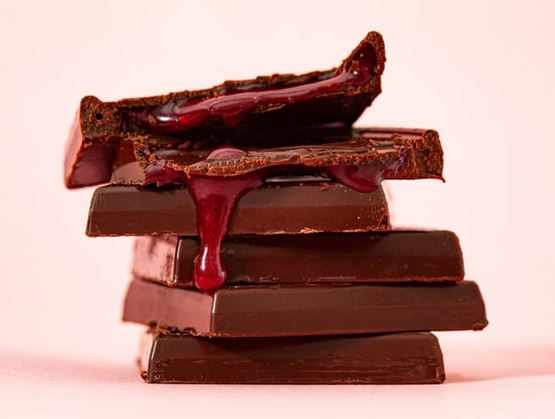
Beyond the classic bars and pralines, several forces are reshaping what chocolate means to consumers. One of the strongest is the shift toward experience-driven indulgence: people are increasingly seeking bolder flavour pairings, layered textures and sensory-rich creations that feel special and memorable. This appetite for more contrast, more creativity, and more surprise is pushing chocolatiers to innovate far beyond traditional formats.
At the same time, the industry is undergoing a decisive pivot toward planet-friendly practices. Sustainability has moved from competitive advantage to baseline expectation, with traceable sourcing, ethical production standards and lower-impact packaging becoming essential to brand credibility. In a supply chain as fragile as cocoa’s, these commitments are quickly becoming central to how producers differentiate themselves.
Health-conscious consumers are also driving a surge in better-for-you chocolate, where indulgence meets functionality. Demand is rising for low-sugar or sugar-free options, protein-enriched recipes and even adaptogen-enhanced formulations designed to support wellness without sacrificing pleasure. This aligns with broader trends in the food sector, where shoppers increasingly look for products that offer both enjoyment and added value.
For producers exhibiting at major fairs such as SIAL Paris, these converging trends present fresh opportunities to innovate, connect and deliver memorable holiday experiences. After all, nothing says “holiday” quite like chocolate.