
A NEW DIRECTION FOR CAREERS IN THE RESTAURANT INDUSTRY

A new pathway for the restaurant profession
In a food service industry marked by rising costs, changing labour models and evolving consumer expectations, the traditional restaurant format is confronting pressure points on all sides. Into this context enters the concept of a chef-incubator, embodied by COCOQ in Paris. Located at 75 rue Taitbout in the 9th arrondissement, COCOQ defines itself as “a unique restaurant in Paris: a chef incubator where the project is built in the kitchen and not behind a screen.”
Every dish served, every customer interaction, becomes part of the learning curve for the resident chef. In this model, the chef is not simply executing a menu, they are piloting a business concept. International Chefs Day invites us to reflect on professional pathways for cooking staff, and COCOQ offers a tangible example of how innovation can reshape careers, production chains and guest experience.
How the incubation model works
COCOQ’s operational rhythm is structured: every four months a new chef takes over the space, the identity of the concept and the menu. This period allows the chef to prototype their format, receive live feedback from diners, refine recipes, adjust their business flow and build a brand platform before launching their own full-scale restaurant.
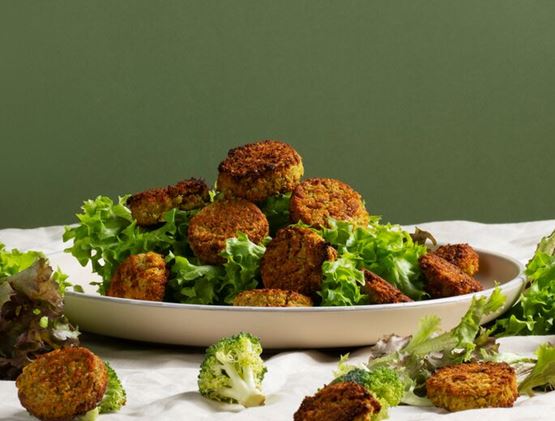
One of the latest resident concepts is Chez Cosse, a modern vegetarian canteen by chef Arnaud, operating in the COCOQ space. For other stakeholders, suppliers, equipment providers, service firms, this model acts as a live testbed: product propositions, operational set-ups and consumer reactions can be observed in real time.
Located Monday to Friday for lunch only (11:45 am to 2:15 pm) in Paris’s 9th arrondissement, COCOQ makes the incubation phase accessible and buildable under defined commercial conditions.
An ecosystem effect on producers and distributors
From the perspective of the wider food industry, COCOQ’s model creates value beyond just the table. It offers a scenario where suppliers can pilot new dishes, test new ingredients, or partner with emerging chefs who may then scale up. The incubation format thereby shortens feedback loops between innovation and market, while sustainable sourcing, seasonal menus and refined craftsmanship find a working context.
For the participants of SIAL Paris, this translates into an attention-point: the chef-incubator is a convergence zone where food-service innovation meets retail, hospitality and production. Exhibitors might consider how new formats can be validated in such spaces, how supply chains accommodate smaller volumes and how brand narratives align with chef-led prototypes.
Professional development and new talent pipelines
For chefs and aspiring restaurateurs, COCOQ provides a learning curve, an on-the-job experiment, and the chance to refine both cuisine and concept. The traditional path: investment, full restaurant build, launch before proof of concept; is substituted or augmented by a “soft-launch” environment. This lowers some risks and allows iteration.
On the Journée des Cuisiniers especially, the significance is two-fold: recognition of cooking professionals, and the visibility of alternative routes in the profession. The incubation model also addresses labour-market tensions: by lowering the entry barrier, it may attract new talents who otherwise would hesitate to enter restaurant ownership due to capital and risk. The rotating concept keeps the space lively, attractive and visible.
Guest experience, culinary narrative and branding
From a consumer standpoint, dining at COCOQ is not simply a meal. It is a concept. Guests know that each period brings a new chef, a new vision, and a new menu. This drives curiosity, repeat visits and word-of-mouth. For the chef, it is an opportunity to build not only recipes but brand identity, guest interaction patterns and operational know-how.
In the context of SIAL Paris, this is especially relevant: as brands and service providers exhibit new formats, the chef-incubator becomes a microcosm of format innovation, a place that can identify how food service can integrate with retail, how guest expectations evolve, and how producers and restaurateurs collaborate around the concept.
Challenges and outlook
While the chef-incubator model is promising, it faces challenges. Turnover every few months means constant reinvention and operational ramp-up. The lunch-only model limits revenue windows and may restrict scalability. The chef must balance creativity with operational viability under compressed time frames.
However, with flexibility, lower capex for launch, live feedback and a real guest-facing prototype, the advantages are promising. As the food industry evolves under new consumer behaviours, including shorter lunch breaks, greater demand for authenticity, stronger interest in ethical sourcing, the incubator model offers a laboratory for adaptation.
COCOQ’s existence in Paris signals that the restaurant sector is ready to experiment with structure, format and talent development. For the professional audience of SIAL Paris and the wider culinary ecosystem, it underlines that new business models can and must emerge.
Honouring chefs around the world
As the world marks International Chefs Day, the spotlight on COCOQ is well placed. The event is about celebrating the cooking profession, the people behind the meals and the pathways ahead. COCOQ reminds us that the profession is no longer about only opening one restaurant and staying put, but about testing, iterating and scaling with agility.
As chefs, suppliers, service providers and brand leaders gather at SIAL Paris, the chef-incubator concept invites reflection: where are the next ideas coming from? How will formats evolve? Who will be the next chef in residence? And what role will hybridisation (between retail, experience, hospitality) play in shaping professional cooking’s future?