
DEFINING REAL INNOVATION

Xavier Terlet, one of the experts involved in curating the SIAL Innovation thematic route, has a long-standing relationship with SIAL Paris. He created the original SIAL Innovation initiative for the show in 1996 and has worked alongside SIAL on innovation-related topics for the past 30 years. A specialist in food innovation and co-founder of strategy consultancy ProtéinesXTC, Terlet has also developed publications including Nouveaux Produits – Nouveaux Marchés and the New Food Data database, which tracks new products from around the world. Alongside his consultancy work, he is a regular speaker and media commentator, and has authored several books on food innovation for both industry professionals and the wider public. The SIAL Paris Newsroom spoke to him as the show gears up to open its doors from 17 to 21 October.
Why do you think it is particularly relevant for SIAL Paris to feature a dedicated SIAL Innovation thematic route this year?
SIAL Innovation has always set out to answer the two main questions that visitors ask themselves when attending a trade show.
The first is: what’s new? What new products are being presented, and what makes them truly innovative?
The second is: where is the market heading? How is my category evolving, and what trends are shaping new product development around the world?
SIAL Innovation aims to provide clear, well-informed answers to these questions, drawing on the expertise of leading specialists in the field. With each edition, the content becomes richer and more comprehensive. The dedicated thematic route is a natural extension of this approach, helping visitors navigate the show more effectively while further enhancing their overall experience.
What criteria define a real food innovation today, rather than simply a “new” product?
For me, there is only one definition that really matters: an innovation is a product that delivers a new benefit to the consumer.
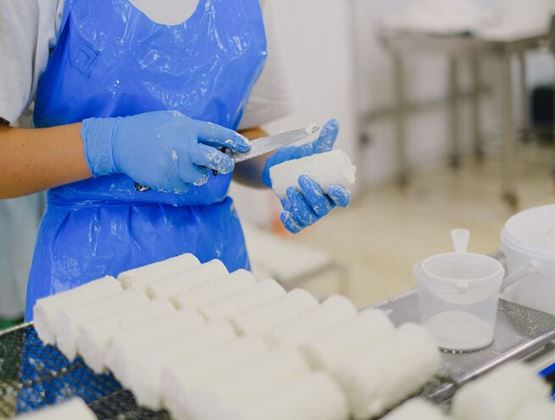
That benefit might relate to enjoyment, health and wellbeing, convenience or ethics. It might come from a change to the recipe, the manufacturing process, the packaging or another aspect of the product.
Some people only consider something a “true innovation” if it represents a major technical or scientific breakthrough. I see that as an industrial perspective that misses the point. Innovation needs to be considered from the consumer’s perspective.
Which sectors or product categories do you currently see as the most fertile ground for innovation?
Every category has the potential to innovate, because consumers are looking for new benefits across the entire food sector.
How can brands continue to innovate while keeping products accessible at a time when consumers are under increasing pressure on purchasing power?
We now need to accept that just because an innovation costs more to produce does not mean consumers will accept paying more for it. What matters is the benefit they actually see in the product.
Fortunately, making innovation more accessible does not mean giving up on creating value.
One option is to rethink the price point itself. Selling products individually, offering smaller formats or developing portions that are better suited to actual consumption needs can sometimes make more sense than focusing exclusively on volume. A lower entry price can make an innovative product accessible to consumers who are watching every cent they spend.
This is particularly relevant given that single-person households now account for a significant proportion of French households, while large families remain a minority. Product formats and offers need to reflect that reality.
There is also an opportunity to simplify products. Consumers are not necessarily looking for sophisticated recipes all the time. Shorter formulations, simpler ingredients and less complex processes can often reduce production costs without reducing the value consumers perceive in the finished product.
Innovation can also help tackle food waste. If half of a product ends up in the bin, consumers will inevitably feel that they have paid twice as much as they should have. Resealable packaging, appropriately sized portions, improved shelf life and practical advice on how to use or preserve a product can all directly increase its real value.
Consumers have not abandoned their expectations simply because their budgets are tighter. Whatever their level of income, they still want more enjoyment, greater convenience, reassurance and safety, health benefits and stronger environmental commitments. They want products that offer these added benefits too.
Does innovation now need to be designed not only for the shelf, but also with images, video and online sharing in mind?
Innovation needs to be designed first and foremost to deliver a new benefit to consumers and, ultimately, to sell. Creating buzz does not necessarily translate into sales.
If you could share a message with the food industry professionals gathering at SIAL Paris, what would it be?
Success will belong to the companies that are able to offer greater added value and more meaningful benefits, provided those benefits remain accessible to as many consumers as possible.
That is undoubtedly one of the major challenges the food industry will have to address in the years ahead.
Image credits:
Marc Newberry - Unsplash
Anna Shvets - Pexels