
INNOVATION DRIVES NEW FLAVOURS AND TEXTURES

Celebrated every year on April 21, World Creativity and Innovation Day was established by the United Nations to highlight the role of creativity and innovation in solving global challenges and driving sustainable development across industries, from technology to culture and business. In the food sector, this spirit of innovation is increasingly visible in the way products are imagined, developed and experienced. Platforms such as SIAL Paris and SIAL Innovation illustrate how experimentation is shaping the industry’s evolution.
Innovation in food has entered a new phase, one defined less by incremental improvement and more by exploration. Consumers are no longer simply looking for better versions of familiar products. Increasingly, they are seeking novelty, surprise and sensory discovery. From savoury desserts to fermented drinks and unexpected flavour pairings, the appetite for experimentation is becoming a defining feature of contemporary consumption.
This shift is closely linked to broader changes in behaviour. Exposure to global cuisines, digital content and travel has expanded taste horizons. Social media platforms have accelerated this process, circulating new ideas at speed and encouraging consumers to try combinations they might once have considered unusual. The result is a market where curiosity plays a central role.
Food choices are increasingly influenced by cultural and social dynamics, with experimentation and hybridisation becoming key drivers of engagement. Eating is no longer just about familiarity. It is also about discovery.
The rise of flavour exploration
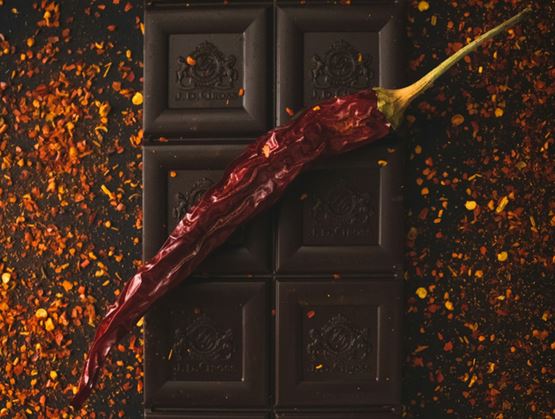
One of the most visible expressions of this trend is the growing interest in unexpected flavour combinations. Sweet and savoury pairings, once niche, are now widely embraced across categories. Chocolate with chilli or sea salt, strawberries with balsamic vinegar, and caramel paired with miso or soy sauce show how contrast is being used to build more complex flavour profiles. In beverages, mixes like coffee with citrus, matcha with coconut or even cheese-infused cocktails are starting to appear on menus.
This experimentation goes further in product development. Hot honey on pizza, maple syrup with bacon or spicy mango salsas are becoming more common, blending familiar tastes with a twist. In desserts, ingredients such as miso, black sesame or olive oil are making their way into cakes, ice creams and pastries. Snacks are moving in the same direction, with truffle popcorn, chilli-lime nuts or dark chocolate with fermented notes.
This growing taste for more layered flavours also feeds into the renewed interest in fermentation. Brands like Remedy Kombucha or Captain Kombucha have helped bring kombucha into the mainstream with fruit-forward, low-sugar recipes. In retail, products such as kimchi-flavoured chips from Lay’s or miso-based sauces and marinades from Kikkoman show how fermented flavours are being integrated into everyday formats.
Fermentation is also entering more unexpected categories. Miso caramel is now used in ice creams and pastries, sourdough fermentation is influencing snacks beyond bread, and fermented hot sauces from brands like Tabasco are gaining traction with younger consumers. What was once limited to traditional products is now being reworked into formats that are easier to access and quicker to understand.
Texture turning the tables
Texture is another area of innovation. Beyond taste, consumers are paying increasing attention to mouthfeel, seeking contrast and novelty. Crispy layers, creamy centres, chewy inclusions or aerated structures create multi-dimensional experiences.
Products like snEco, winner of the SIAL Innovation 2024 Dairy Products Award, turn cheese into a light, crispy snack, offering a completely different texture from traditional dairy formats. Extruded snacks with layered crunch, plant-based products designed to replicate the fibrous structure of meat, or hybrid formats mixing crisp coatings with soft interiors are becoming more common.
In confectionery, aerated chocolates and whipped fillings create lighter, more melt-in-the-mouth sensations, while mochi-style desserts combine soft, chewy exteriors with creamy centres.
Even beverages are evolving in this direction. Bubble tea, now widely available through a variety of chains, mixes tea with tapioca pearls, fruit jellies or popping boba, turning a simple drink into a more interactive experience. Similar ideas are appearing in juices with aloe vera chunks, coconut drinks with nata de coco or beverages enriched with chia and basil seeds.
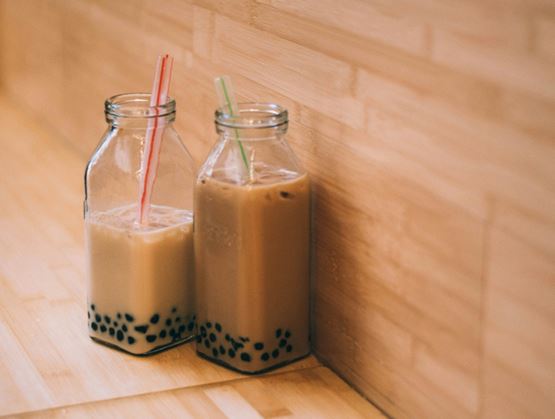
Consumers are actively testing and combining different influences. This behaviour is particularly pronounced among younger generations, who are more open to trying new formats and flavours.
From curiosity to commercial strategy
What began as a cultural trend is now a strategic priority for brands. Innovation is no longer confined to product development teams. It is embedded across the value chain, from sourcing and formulation to marketing and distribution.
For manufacturers, the challenge lies in balancing novelty with accessibility. While consumers are eager to explore, they also seek reassurance. Successful innovations often combine familiar elements with a twist, creating a sense of discovery without alienation.
Limited editions and seasonal launches have become effective tools in this context. They allow brands to test new ideas, gather feedback and generate excitement without committing to long-term production. Data from sales and consumer response can then inform future developments.

At the same time, globalisation continues to influence innovation. Ingredients and techniques from different regions are being combined in new ways, leading to products that reflect a fusion of culinary traditions. This cross-cultural approach not only expands flavour possibilities but also resonates with consumers seeking diversity and authenticity.
SIAL Innovation: a global showcase of creativity
Within this dynamic landscape, SIAL Innovation stands out as a key platform for identifying and celebrating emerging trends. Recognised as one of the most influential programmes in the industry, it highlights products that push boundaries and reflect evolving consumer expectations.
Each edition brings together a selection of innovations from around the world, offering a snapshot of the sector’s direction. From functional beverages to plant-based alternatives and hybrid snacks, the diversity of entries illustrates the breadth of creativity shaping the market.
SIAL Innovation is not only a competition but also a barometer of change. It captures signals from across food industry sectors, providing insight into how innovation is unfolding in different regions and categories. For professionals, it serves as both inspiration and analysis, helping to identify opportunities and anticipate shifts.
The programme also reflects the increasing importance of storytelling in innovation. Products are evaluated not only for their technical qualities but also for their ability to resonate with consumers. This includes aspects such as sustainability, health benefits and, increasingly, sensory appeal.
A future driven by experimentation
The growing appetite for new flavours, textures and combinations suggests that experimentation will remain central to the future of food. As consumers continue to seek experiences that surprise and engage, innovation will need to go beyond functionality to embrace creativity.
At the same time, this evolution raises important questions. How far can experimentation go without losing coherence? How can brands ensure that novelty translates into lasting value? These challenges highlight the need for a nuanced approach, where innovation is both bold and grounded.
Events such as Sial Paris play a crucial role in this process. By bringing together stakeholders from across the global food innovation exhibition landscape, they create a space for dialogue, discovery and collaboration. SIAL Innovation, in particular, offers a window into the ideas shaping tomorrow’s food, from unexpected pairings to entirely new formats.
On World Creativity and Innovation Day, this momentum feels especially relevant. It's a continued reminder that in food, creativity is what moves the industry forward.
Image credits: Tijana Drndarsky, Madeline Liu, Rosalind Chang from Unsplash