
FROM GIFTS TO GASTRONOMY: THE RISE OF EXPERIENTIAL VALENTINE’S CELEBRATIONS

Valentine’s Day has traditionally been defined by familiar gestures. A box of chocolates, a candlelit dinner, perhaps a bouquet of flowers or piece of jewellery. Yet as experiences increasingly outweigh objects, food has emerged as a powerful medium for connection. Eating has always been emotional as much as sensory, rooted in memory, intimacy and shared discovery. Today, couples, friends and even colleagues are embracing food-related experiences that prioritise participation over presentation.
This shift also reflects a broader rethinking of who Valentine’s Day is for. Alongside romantic couples, Galentine’s Day has grown as a celebration of female friendship, popularised as a moment for friends to honour their bonds through shared activities. Palentine’s Day follows a similar spirit, focusing on platonic friendship in all its forms. Food experiences naturally lend themselves to these inclusive celebrations, offering settings that feel playful, collaborative and relaxed.
Cooking together, from workshops to the kitchen table
One of the most visible trends is the continued boom in cooking classes and workshops. These range from classic regional cuisines to chocolate tempering, cocktail-making or pizza crafting. What matters less than the recipe is the process itself.
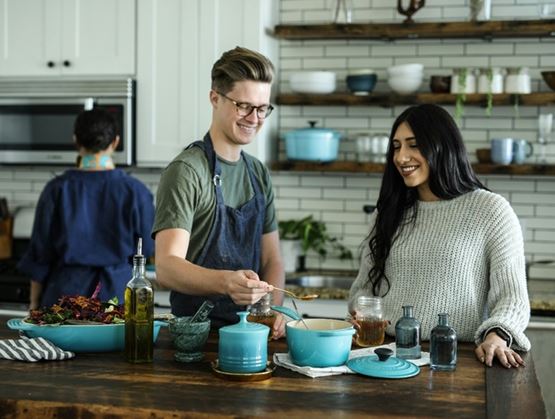
Cooking together creates moments of coordination, laughter and learning, whether it is a couple navigating a new technique or a group of friends comparing results.
Seasonal foraging walks followed by shared meals also offer a strong experiential dimension. Participants gather ingredients with a guide, learning about local plants or produce before cooking or dining together. The appeal lies in reconnecting food with landscape and seasonality, turning the meal into the final chapter of a longer shared journey.
For those watching their budgets, the same spirit can be recreated at home. A DIY pizza night transforms an ordinary evening into an event, with a spread of toppings encouraging experimentation. Turning it into a friendly competition adds structure without pressure, and the reward is edible either way.
Home-based cooking challenges follow a similar logic. Time limits, mystery ingredients or themed menus introduce a sense of theatre while keeping the focus on togetherness. These informal formats echo the popularity of televised cooking shows, but without the stakes or spectacle, allowing participants to focus on enjoyment rather than perfection.
Dining as immersion and storytelling
Beyond the kitchen, food experiences are becoming increasingly immersive. Dining in the dark, for instance, removes sight to heighten other senses, encouraging diners to focus on texture, aroma and taste while also prompting conversation and vulnerability. These experiences often feel less about gastronomy alone and more about trust and awareness, making them particularly resonant for Valentine’s Day.
Another idea is sound-led dining experiences, where music or curated soundscapes are paired with each course. Some concepts work with composers or DJs to match tempo, tone or rhythm to flavours, subtly influencing how dishes are perceived. According to organisers of these events, sound becomes an invisible ingredient, shaping mood and attention without distracting from the plate.
Cinema-inspired dining offers another form of sensory storytelling. Concepts such as Forkn’Film synchronise dishes with key moments on screen, allowing guests to taste what characters eat or experience at precise points in a film. According to the organisers, the aim is to blur the line between audience and narrative, turning watching into a multi-sensory act. For Valentine’s Day, this approach reframes a simple movie night into something participatory and memorable.
Tasting, touring and eating on the move
Tastings have also evolved beyond traditional wine formats. Brewery and distillery tours invite guests to explore production processes while sampling beers or spirits, often guided by makers themselves. These settings encourage questions and dialogue, making them well suited to curious couples or groups.
Food tours operate on a similar principle. Whether booking through a local operator or curating a tour independently, moving from place to place introduces variety and a sense of adventure. Creating a personal route allows the experience to reflect individual tastes and memories. An evening might start with small plates at a buzzing tapas bar, move on to a smoky barbecue joint for a signature dish, and end with craft chocolate or gelato from a local artisan. The pleasure lies not only in what is eaten, but in the anticipation between stops, as streets and shared choices weave the meal into a journey of its own.
Casual formats are gaining traction too. Food truck hopping replaces the formality of a set menu with spontaneity, allowing participants to sample small plates while exploring neighbourhoods. Dessert bar crawls apply the same logic to sweets, guiding lovebirds or groups through bakeries, pâtisseries or ice cream parlours.
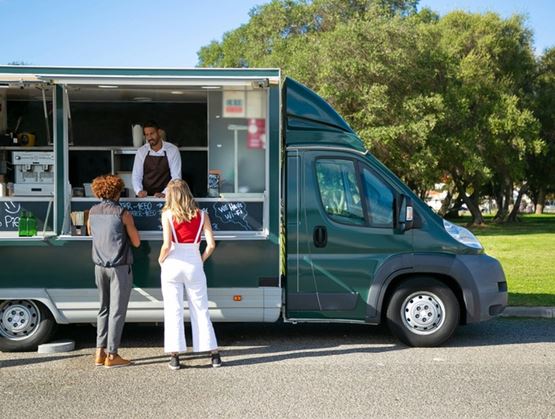
What makes these formats appealing is the sense of progression they create, where sampling, conversation and the simple act of moving from one place to the next shape the experience as much as the dishes themselves.
Spaces, themes and the future of shared food experiences
Food is increasingly intersecting with other activities, creating hybrid spaces designed for lingering rather than rushing. Pottery classes paired with light meals or drinks combine creativity with conviviality, allowing participants to engage their hands and senses simultaneously. Dual-purpose venues are also on the rise. Bookstores with cafés are well established, but hair salons offering coffee bars and animal cafés centred around cats or puppies are expanding the idea of food as a social anchor within broader experiences.
One growing trend is immersive supper clubs hosted in unconventional locations. These might take place in private apartments, artist studios, greenhouses or even former industrial spaces, where chefs design menus specifically for the setting and the people attending. The sense of secrecy and temporality makes the meal feel personal and unrepeatable, which resonates whether shared as a date or a collective experience with friends.
At home, the dinner party remains a versatile canvas. Themes range from mystery evenings to colour-coded menus, board game nights or wine and cheese explorations. The appeal lies in co-creation. Whether the table is set for an intimate date or a lively meal with friends, food becomes a shared language rather than a performance.
From playful formats to mindful moments
For something more playful, interactive food games are gaining traction. These include tasting dinners structured as quizzes, blind challenges or storytelling prompts, where guests guess ingredients, origins or techniques, or unlock the next course through collaboration. The food remains central, but the format encourages conversation and breaks down formality.
For those seeking something more curated without leaving home, private chefs offer another option. Many encourage interaction, answering questions and sometimes involving guests in preparation, turning a meal into a dialogue rather than a service.
Passport dates push this idea further by structuring evenings around travel through food. Each course represents a different country, either explored through local restaurants or recreated at home with friends contributing dishes tied to specific cultures. These formats celebrate curiosity and diversity, reflecting how global tastes increasingly shape everyday dining.
Finally, there is a rise in well-being focused food experiences that combine eating with practices such as meditation, breathwork or slow dining rituals. These are designed to encourage attentiveness and presence, reframing food as a moment of pause rather than consumption. Shared in pairs or small groups, they create a quieter but deeply connective alternative to traditional celebrations.
As Valentine’s Day approaches, these experiences highlight a broader movement within the food sector. Consumers are seeking meaning, interaction and stories alongside flavour. This same appetite for innovation and connection underpins major gatherings across the industry. At the heart of this conversation stands SIAL Paris, a global platform where ideas shaping the future of eating converge. From emerging concepts to established food industry sectors, the event reflects how food continues to evolve as both product and experience. In that sense, whether shared at home, in a workshop or on the show floor, food remains one of the most powerful ways to bring people together, on Valentine’s Day and far beyond.
Image credits:
Chiel Habils - Unsplash
Odiseo Castrejon - Unsplash
Kampus Production - Pexels