
NATHALIE HUTTER-LARDEAU ON HEALTH, SPORT & PERFORMANCE PRODUCTS

Nathalie Hutter-Lardeau is a nutritionist and the founder of Évidence Santé. For more than 20 years, they have been supporting food companies in their innovation projects, helping them connect science, consumer expectations and market realities. They work across the entire value chain, from product formulation through to communication, with one core belief: food innovation must be based on scientific evidence while also responding to what consumers are looking for.
The “Health, Sport & Performance Products” route reflects this shift perfectly. Today, sports nutrition is gradually becoming part of everyday nutrition.
Why is it relevant for SIAL Paris to dedicate a specific route to health, sport and performance products?
Health-focused nutrition has become a major societal issue. High-protein products, functional beverages and foods designed to support healthy ageing are no longer aimed only at athletes. They now meet the expectations of a much broader audience: working adults, seniors, women, people who want to protect their long-term health, or simply consumers who want to eat better.
SIAL Paris is the ideal place to observe this transformation and spotlight the innovations that will shape the food of tomorrow.
What are the main trends you are seeing today?
The first major trend is the democratisation of protein nutrition. Influencers played a key role in bringing protein into the mainstream. Today, mass retail is taking over by making these products accessible to a much wider audience. The market is now structured around several complementary channels.
In supermarkets and hypermarkets, we are seeing brands such as Feed. and Barebells, as well as ranges developed or popularised by content creators such as Tibo InShape and Sissy Mua, who have helped introduce these products to the general public.
Specialist retailers such as Decathlon are also making the category more accessible, with their own products and a selection of brands such as Apurna and Isostar.
Gyms remain an important discovery channel, thanks to coaches and recommendations made directly to regular users.
Finally, long-standing specialist e-commerce players such as MyProtein, Nutripure, Prozis and Foodspring continue to grow among the most engaged consumers.

Beyond distribution channels, another major shift is the diversification of target audiences. Protein is no longer associated only with sports performance. It now addresses the needs of women, seniors and people who want to preserve muscle mass as they age.
Consumers are also becoming increasingly attentive to product quality: shorter ingredient lists, more natural formulations, greater transparency and stronger scientific credibility.
Do you have any key figures that illustrate this momentum?
The global sports nutrition market is estimated at more than 70 billion dollars and is continuing to grow at an annual rate of close to 9%.
In France, momentum is also very positive. The rise in physical activity, population ageing and the search for more functional nutrition are all strongly supporting the market.
The most dynamic segments are ready-to-drink protein beverages, protein bars, high-protein desserts and functional snacks, which are now attracting consumers well beyond the sports community.
What are consumers mainly looking for?
Consumers want products that are effective, but also simple and reassuring.
They are looking for quality ingredients, easy-to-understand ingredient lists, clearly explained benefits and transparent sourcing.
Taste also remains essential. Today, a health product must be as enjoyable as it is practical.
Which product categories are seeing the strongest growth?
Ready-to-drink protein beverages, protein bars, protein-enriched yoghurts and on-the-go snacks are among the fastest-growing categories.
We are also seeing the emergence of ranges specifically designed for women, seniors and people looking to support muscle ageing.
Which innovations seem the most promising to you?
The most interesting innovations are those that respond to a real need.
I am thinking in particular of more natural formulations, protein-enriched products aimed at women over 45 or at seniors, as well as proteins integrated into everyday foods: yoghurts, desserts, cereals, drinks and ready meals.
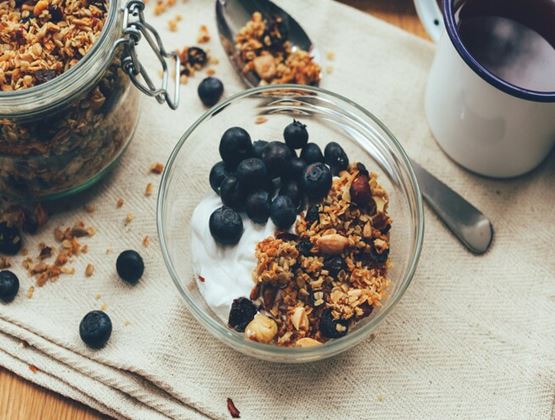
The future does not lie only in new ingredients. It lies in products that are simpler, better targeted and easier to include in our daily diets.
How can consumers tell the difference between a product truly formulated for performance and a simple marketing claim?
A serious product is based on a few simple criteria: a short ingredient list, clearly identified proteins, claims that comply with European regulations and transparent information about the origin of raw materials.
This is where my teams at Évidence Santé come in, followed by the 360° communication expertise of Groupe Province.
Today, trust has become a real decision-making factor. Consumers are no longer looking only for a performance promise; they want to understand what they are consuming.
We are seeing a real paradigm shift.
Sports nutrition is gradually becoming everyday nutrition. Protein is no longer reserved for elite athletes; it now speaks to anyone who wants to age better, preserve muscle mass or simply adopt a more balanced diet.
The challenge in the coming years will be to offer products that are scientifically sound, nutritionally relevant, enjoyable, accessible and transparent.
This convergence between innovation, health and pleasure is precisely what SIAL Paris is highlighting, and it is what will shape the food of tomorrow.
Image credits:
Gabin Vallet - Unsplash
Dan Counsell - Unsplash