
FROM SUGAR HIGH TO SMARTER SWEETNESS

It often starts with a cupboard door. Inside sits the tin of biscuits kept for visitors, the packet of sweets tucked behind the cereal boxes or the chocolate bar hidden just well enough to discourage casual discovery. For many people, sugar is bound to childhood memories: sticky fingers after a fairground treat, brightly coloured sweets shared in the playground, birthday cakes cut into uneven slices and the thrill of being allowed dessert on an ordinary weekday.
The ritual changes with age, but rarely disappears. The childhood sweet jar becomes an office drawer, a kitchen shelf or a carefully guarded evening stash. A difficult afternoon may call for a biscuit with tea. A long week may end with ice cream eaten directly from the tub. Sometimes the craving is occasional and deliberate; sometimes it arrives with remarkable punctuality. The pleasure is immediate, followed by the familiar rush associated with indulgence.
Global demand for sugar continues to rise, particularly in faster-growing economies, even as consumption softens in many mature markets. The OECD-FAO Agricultural Outlook 2025-2034 projects global sugar consumption to increase by 1.2% a year and reach 202 million tonnes by 2034, with Asia and Africa accounting for most growth. Europe is expected to record the largest regional decline in per-capita consumption as reformulation and policy measures reshape demand. The global sugar-free food market reached USD 12 billion in 2024 and could reach USD 22 billion by 2035, while low-sugar beverages are expanding at an estimated annual rate of 14%.
Reformulation becomes product design
As consumers become increasingly aware of health guidelines and the risks associated with overconsumption of sugar, the market has shifted. The United States has reduced recommended added sugar intake to 6% of daily energy consumption. In France, ANSES recommends a maximum intake of 100 grams of total sugars per day.
The emotional pull helps explain why reformulating sweetness is so difficult. Sugar is not simply a nutrient to be reduced or an ingredient to be replaced. It carries comfort, reward and nostalgia, while also shaping flavour, texture and appearance. The evolving sugar market is therefore not about removing pleasure from food. It is about finding new ways to deliver it, as brands turn to fibres, rare sugars, fermentation and increasingly sophisticated blends to recreate the experience consumers know so well.
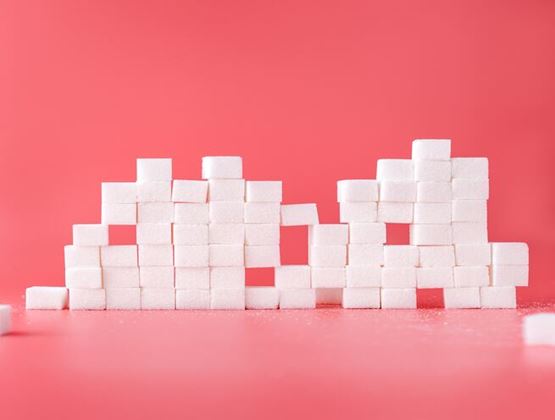
Reducing sugar is rarely a simple subtraction. Sweetness is only one of the functions sugar performs in biscuits, confectionery, dairy products, sauces and drinks. It also contributes body, colour and mouthfeel. Removing it can leave a product thinner, paler or less satisfying, so successful reformulation increasingly relies on combinations rather than one substitute.
Not all alternatives tell the same story
That approach is visible in fibre-based syrups. Chicory-derived inulin and fructo-oligosaccharides can provide some sweetness and bulk while supporting fibre claims. Yacon syrup, produced from an Andean root, also contains fructo-oligosaccharides and has a lower glycaemic impact than conventional sugar.
These ingredients do not behave identically to sucrose, and digestive tolerance can limit usage levels. Their value lies in helping formulators create products with less sugar and more fibre while restoring some of the texture lost during reformulation.
Allulose has become one of the most closely watched alternatives. Its appeal comes from a taste profile close to sugar, a very low calorie contribution and useful browning behaviour.
The low-sugar market now encompasses a broad and sometimes confusing collection of ingredients. Alongside naturally occurring sugars such as glucose, fructose and galactose are added sugars including sucrose, dextrose and high-fructose corn syrup. These added forms have become the principal target of nutritional guidance and product reformulation, but replacing them requires consumers and manufacturers to look beyond a simple “sugar-free” claim.
Sugar alcohols such as xylitol and erythritol provide sweetness with few or no calories. They can be useful in confectionery, bakery products and drinks, although some may cause digestive discomfort when consumed in larger quantities. Intense sweeteners such as stevia, aspartame and sucralose deliver considerably more sweetness than sugar without the same calorie contribution, but they continue to attract questions from consumers about taste, processing and long-term use.
Natural sweeteners carry their own complications. Honey, maple syrup, agave and coconut sugar may benefit from a more wholesome image, distinctive flavours and familiar origins, but they remain sources of sugar. Coconut sugar has a glycaemic index relatively close to ordinary sugar, while honey and maple syrup remain calorie-dense despite containing small quantities of other nutrients.
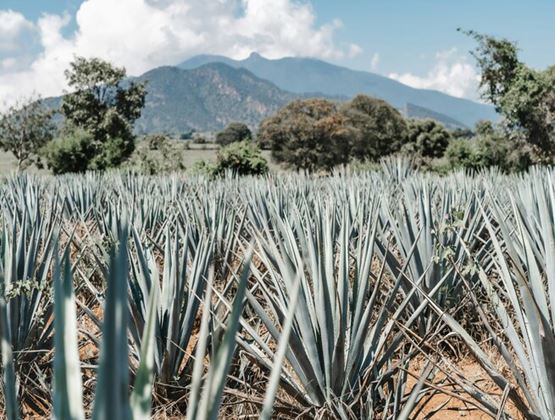
Agave illustrates the gap that can open between perception and nutritional reality. Its low glycaemic index has helped establish it as a healthier-looking substitute, yet its high fructose content means it should not be treated as an unrestricted alternative. Excessive fructose intake can create metabolic concerns, making clear formulation and communication more important than a reassuring ingredient name.
Fermentation expands the sweetener toolbox
Fermentation is widening the range of ingredients available to formulators. In April 2025, the European Union authorised steviol glycosides produced by fermentation using Yarrowia lipolytica, adding the ingredient to the existing steviol glycoside group. The process can produce specific molecules consistently, giving developers greater control over taste, purity and supply.
Sweet proteins are also moving towards commercial formulation. Brazzein, associated with the West African plant Pentadiplandra brazzeana, can now be produced through fermentation. In 2025 and 2026, the FDA issued “no questions” responses to several GRAS notices covering brazzein preparations intended as sweeteners. These responses are not product approvals, but they represent an important regulatory step for protein-based sweetness.
No single ingredient is likely to dominate. Stevia, sucralose, erythritol, fibres, rare sugars and sweet proteins solve different problems. Blends can reduce bitterness, manage cost, restore texture and recreate the rounded sweetness associated with sugar.
From reduced sugar to better sweetness
Sugar reduction is a revealing field for food innovation exhibitions. It brings commodity economics, nutrition science, sensory design, regulation and consumer trust into the same conversation. At SIAL Paris, the next wave of reduced-sugar launches will show how quickly the toolbox is widening, and how much work still goes into making less sugar taste like more. For a global food industry trade show, sweetness is no longer a simple ingredient choice. It has become a test of the industry’s ability to innovate without losing pleasure.