
CHILDREN’S NUTRITION PRODUCTS THEMATIC ROUTE: FAMILY EXPECTATIONS

Sophie de Reynal’s own focus is mainly on innovation intelligence. This covers ingredients and food ingredients, new products, consumers, their expectations and level of knowledge, as well as regulation, science and other key areas.
This monitoring also gives a clear view of who is doing what across the food and nutraceutical industries. That is what makes NutriMarketing’s expertise relevant in the development of the Children, Senior and Food Ingredients routes for SIAL Paris 2026.
In your view, why is it relevant for SIAL Paris to dedicate a thematic route to children’s nutrition this year?
Parents are paying closer attention than ever to what their children eat, from birth through to adolescence. For younger children in particular, studies highlight the impact that nutrition during the first 1,000 days of life can have on health in adulthood. For SIAL Paris, as a major player in the global food industry, addressing this subject seems essential to me. It is a way of raising awareness among industry stakeholders about the importance of eating well from the earliest age.
What are the main trends or developments you are currently seeing in this sector?
Consumers are looking for the same things for their children as they are for themselves: less processed foods, shorter ingredient lists with familiar ingredients, and healthier products, particularly with less sugar.
Pleasure is also a major trend in children’s products, because it remains one of the key drivers of consumption. This is especially true for less advantaged families, who may not have other ways of treating their children, such as going to the cinema, shows or holidays. For this audience, larger formats and promotions are particularly important.
Do you have any key figures or market data that illustrate the importance or momentum of this sector?
67% of French consumers want to reduce sugar consumption at snack time, 74% of parents prefer products with fewer than five ingredients, and 87% of households pay attention to healthy eating for their family.
Which types of products are currently seeing the strongest growth: children’s snacks, breakfast products, dairy products, drinks, ready meals, plant-based alternatives, and so on?
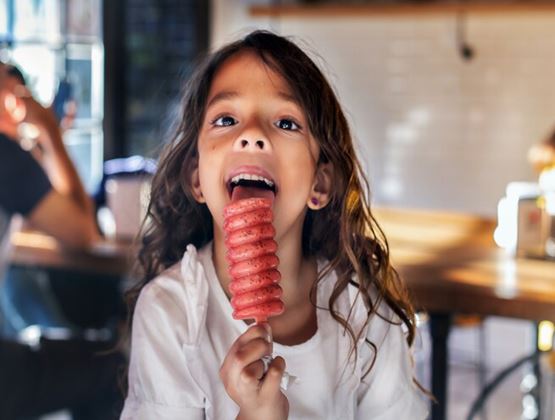
There is no single sector in particular, but rather specific sub-categories: children’s ice cream (+3.7%), cookies (+11.1%), and breakfast spreads (+6%), for example.
Which innovations do you see as the most relevant in children’s nutrition?
Naturalness and sugar reduction are the two main expectations among parents.
Offering healthier snacks, both food and drinks, that are less processed while still remaining fun seems to me to be the key to success.
What advice would you give to a young brand looking to launch a children’s product without underestimating the regulatory challenges?
Most young children’s brands are developing products that are better for the health of their target consumers and for the planet. These remain niche products, but they can be built on a viable business model, in my view.
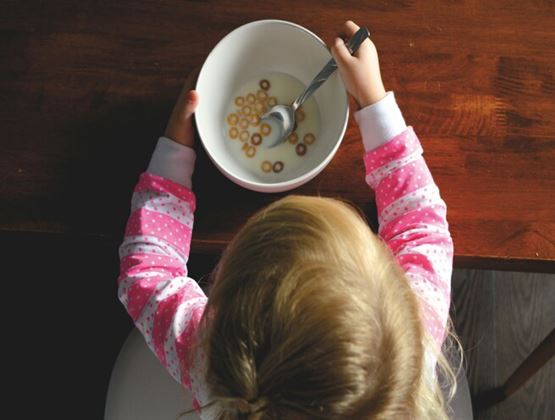
What are the most effective marketing arguments for parents today? Should brands speak more to parents, to children, or to both at the same time?
This market is unique because, while children are the end consumers, parents are the buyers. So there are two audiences to convince.
For the youngest children, from 0 to 3 years old, the message is clearly aimed at parents. What they are looking for is “the best for their baby”. At this stage, price becomes almost secondary. It is the period when parents want to do their very best. That is why this is the market segment where organic has the highest share: 29% for baby food jars and 14% for infant formula.
After the age of 3, children start to have a say. The product therefore needs to taste good, but it also needs to offer a world around it, an experience and games.
At the same time, parents are paying close attention to product composition. Clean label, Nutri-Score and less processing are becoming arguments that brands cannot afford to overlook.
Image credits:
Providence Doucet - Unsplash
Patricia Prudente - Unsplash