
SMALL PLATES, BIG CHALLENGES: CHILDREN’S NUTRITION AT THE HEART OF CHANGING FAMILY FOOD HABITS

The International Day of Families, observed every year on 15 May, was established by the United Nations General Assembly in 1993 to raise awareness of the social, economic and demographic issues affecting families. In 2026, the theme “Families, Inequalities and Child Wellbeing” brings that mission into focus, highlighting how income insecurity, limited caregiving support and unequal access to services can shape children’s health and development from the earliest years.
Food sits squarely inside that conversation. What children eat is shaped not only by parental choice, but by price, time, school provision, marketing, digital influence and the availability of nutritious products. For the food industry, children’s food is no longer simply about cartoon packaging and mild flavours. It is about trust, nutrient density, reduced sugar, convenience and the difficult balance between pleasure and protection.
Children’s food in an age of unequal plates
The global picture is increasingly complex. The 2025 UNICEF Child Nutrition Report found that obesity among school-age children and adolescents has exceeded underweight globally for the first time, with 9.4% of 5 to 19-year-olds living with obesity compared with 9.2% who are underweight. This does not mean hunger has disappeared. Rather, it shows how malnutrition is changing shape. In many households, calories may be available, while balanced, fresh and nutrient-rich food remains financially or practically out of reach.
That tension is becoming central to children’s food trends. Parents are looking for products that can fit into busy routines without feeling nutritionally empty. The rise of “better-for-you” snacks, fortified breakfast products, vegetable-led formats and lower-sugar treats reflects a market responding to everyday pressure. A 2025 market outlook from Future Market Insights estimated the global kids’ food and beverages market at USD 148.2 billion in 2025, equivalent to approximately €137 billion, with growth driven by parental demand for nutritious, functional and clean-label products.
However, affordability remains the line that decides whether these trends become mainstream or stay premium. A lunchbox filled with vegetable crisps, protein yoghurt, seeded crackers and fresh fruit may appeal to health-conscious parents, but the same grocery basket can be inaccessible for families facing food inflation and unstable incomes. The most relevant innovation is therefore not always the most sophisticated. Often, it is the product that makes fibre, protein, fruit, vegetables and whole grains easier to buy, store and serve.
The new snack logic: smaller, smarter, less sugary
Children snack. The question for brands is what kind of snacking they are building. The old model, centred on sweetness, bright packaging and instant reward, is being challenged by a new logic of portion control, satiety and permissible pleasure. This does not remove fun from the category. It changes where the fun comes from.
Textures are doing more work. Crunchy chickpea puffs, freeze-dried fruit, mini rice cakes, yoghurt bites and baked vegetable snacks all offer sensory appeal without relying solely on sugar. Familiar formats are also being reformulated. Biscuits, bars and cereals are being pushed towards reduced sugar, higher fibre and added protein, although the credibility of these products depends on transparent labelling and realistic claims.
The pressure is rising because children’s food marketing is under scrutiny. UNICEF’s 2025 report linked the growth of unhealthy food environments to aggressive marketing of ultra-processed foods, particularly products high in sugar, salt and unhealthy fats. In the UK, recent research reported by The Guardian found that 41% of 632 baby and toddler food products analysed had excessive sugar levels, reinforcing concerns around products marketed as suitable for very young children.
This is pushing the industry towards a more careful kind of child appeal. Bright colours and playfulness are not disappearing, but they are increasingly expected to sit alongside credible nutrition. The strongest products are likely to be those that satisfy children first and reassure adults immediately after.
Functional, but age-appropriate
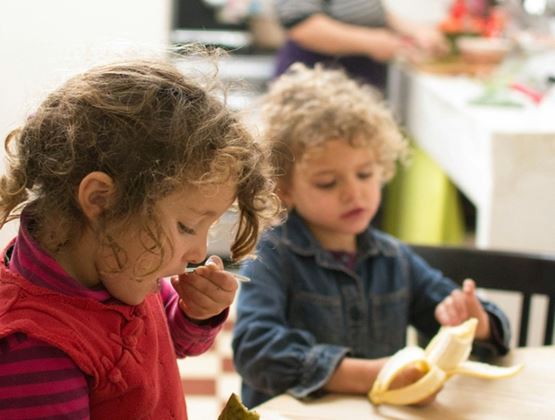
Functional food has entered children’s nutrition, but with a different tone from adult wellness. The language of energy, beauty and performance gives way to immunity, gut health, growth, hydration and concentration. Probiotic yoghurts, prebiotic fruit snacks, vitamin-enriched drinks and protein-enhanced dairy products are gaining attention, as families look for foods that appear to support everyday resilience.
Innova Market Insights noted in 2025 that microbiome health, plant-based proteins and climate considerations were helping shape consumer choices, especially among younger generations. For children, the opportunity is promising but sensitive. Parents may welcome gentle functional benefits, yet products aimed at children must avoid drifting into exaggerated claims or supplement-style messaging.
Plant-based children’s food is following a similar path. The category is less about replacing everything and more about broadening options. Lentil pasta, oat-based drinks, vegetable nuggets, bean spreads and meat-free lunchbox fillers allow families to diversify meals while responding to environmental and health concerns. For flexitarian households, these products can make plant-forward eating feel normal rather than ideological.
The next stage will be taste maturity. Children’s foods have often been designed around blandness or sweetness, but younger consumers are increasingly exposed to global flavours at home, online and through restaurants. Mild curry sauces, hummus, bao, sushi-style snacks, savoury pancakes and vegetable dumplings all point to a broader palate. For food innovation exhibitions, this is fertile ground: nutrition, convenience and cultural variety are beginning to meet on the same plate.
Schools, family routines and the shared responsibility test
Children’s nutrition cannot be solved only through retail shelves. Schools remain one of the most important food environments, particularly for children from lower-income households. The European Union’s school scheme supports the distribution of fruit, vegetables, milk and certain milk products to children from nursery to secondary school, with priority given to fresh fruit, vegetables and drinking milk. Such programmes underline a simple point: access shapes habits.
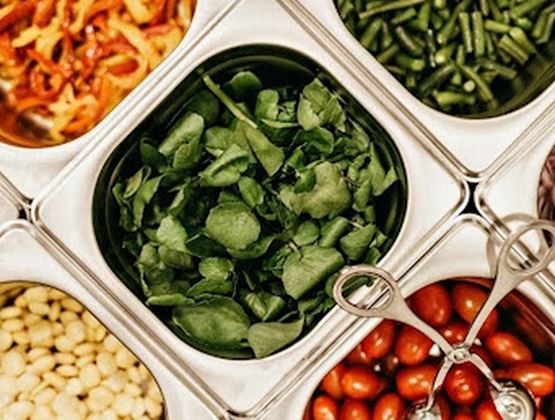
For food manufacturers, the family table and the school canteen are now linked markets. Products designed for children increasingly need to work across multiple settings: breakfast before school, packed lunches, after-school snacks, sports activities and evening meals assembled under time pressure. This explains the rise of resealable packs, mini portions, ambient formats, allergen-aware recipes and products that can move between home, school and on-the-go occasions.
Digital influence is another factor. Children encounter food through short videos, games, influencers and peer culture, while parents are exposed to nutrition advice, recipes and product recommendations at speed. According to a 2025 Mintel report summary, almost two-thirds of UK parents and grandparents of 0 to 15-year-olds said they were happy to take nutritional advice for their child or grandchild from AI. That figure says much about the information environment surrounding family food. Guidance is abundant, but confidence is fragile.
Children’s food trends are not just about novelty. They reveal how families are trying to manage health, budgets, time and aspiration in a difficult food landscape. The winners in this space will be those that treat children as consumers with taste, families as households under pressure and nutrition as a shared responsibility.
At Sial Paris, these questions belong at the heart of the industry conversation. From reformulated snacks to school-friendly dairy, plant-forward meals and affordable nutrient-rich staples, the future of children’s food will cut across categories and food industry sectors. As the global food community prepares to gather in Paris, children’s nutrition stands as both a market opportunity and a social measure of progress: what reaches the smallest plates says much about the system behind them.
Crédit image:
Jonathan Borba - Unsplash
Angela Mulligan - Unsplash
Hannah Tasker - Unsplash