
REGENERATIVE AGRICULTURE: JUST A TREND OR A TRUE REVOLUTION?

What is regenerative Agriculture?
Regenerative agriculture is an agricultural method focused on regenerating the health and biodiversity of soil, ecosystems, and water, rather than depleting them. The aim is not just to sustain current resources but to improve them over time. This approach moves away from the chemical-intensive practices of conventional farming, emphasising practices like:
- No-till farming: A technique that minimises soil disruption, helping preserve soil structure, moisture, and microorganisms.
- Cover cropping: Planting crops like legumes or grasses during off-seasons to prevent soil erosion and replenish soil nutrients.
- Agroforestry: Integrating trees and shrubs into agricultural systems to increase biodiversity, enhance carbon sequestration, and improve soil health.
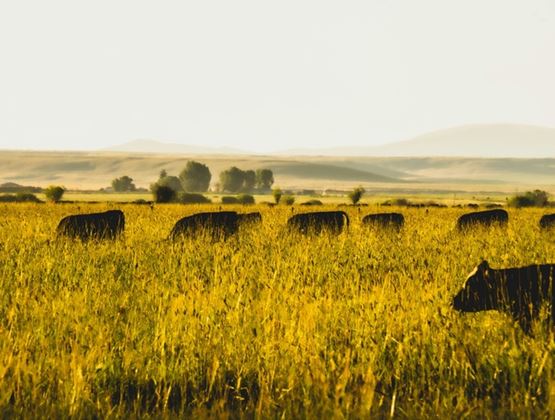
- Holistic livestock management: Grazing livestock in ways that help regenerate pastures, improve biodiversity, and sequester carbon.
Through these techniques, regenerative agriculture not only seeks to restore the health of the land but also promises to fight climate change by sequestering carbon and reducing the need for synthetic fertilizers and pesticides.
The rising popularity of regenerative agriculture
The growing interest in regenerative agriculture can be attributed to several global challenges. From climate change and biodiversity loss to soil degradation and water scarcity, the modern agricultural model is under pressure. More than ever, consumers, scientists, and farmers are recognising that the traditional farming practices, particularly monoculture and heavy chemical use, are no longer sustainable. Regenerative agriculture offers a path forward that could address these problems.
Recent developments show that regenerative practices are no longer a niche but are beginning to shape mainstream agriculture. According to a 2025 study from the World Resources Institute, about 1% of global farmland is now engaged in regenerative practices, a significant jump from previous years. As more success stories emerge, more farmers are adopting these methods, driven by both environmental concerns and economic incentives.
Recent data supporting regenerative practices
One of the strongest arguments in favor of regenerative agriculture is its ability to enhance soil health and, ultimately, crop yields. A report published in June 2025 by Regenerative Agriculture Alliance found that farmers practicing regenerative techniques experienced an average 20% increase in soil organic matter and a 15% improvement in yields within just 12 months. This was especially true for farms that implemented cover cropping and reduced tillage. While initial costs can be high, the long-term benefits, including improved resilience to extreme weather, lower input costs, and better soil health, provide a solid economic case.
Another major benefit of regenerative agriculture is its potential to help mitigate climate change. A recent study conducted by Carbon Cycle Institute found that regenerative farming practices could sequester 2-3 gigatons of carbon annually, which is approximately 20% of global agricultural emissions. This is particularly significant in the context of increasing calls for carbon-neutral food systems. By sequestering carbon back into the soil, regenerative agriculture offers a natural solution to the global carbon crisis.
The global market for regenerative agriculture is growing rapidly as well. According to a January 2026 report from Future Market Insights, the market for regenerative farming products and services is projected to reach USD 12.5 billion by 2030, driven by the rising demand for organic and sustainably grown food. The demand for regenerative products has spurred innovation in the sector, with farmers increasingly turning to regenerative certifications to meet consumer expectations.
The challenges of scaling regenerative agriculture
Despite the promising data, regenerative agriculture faces several hurdles. One of the most significant challenges is scaling these practices to meet the demands of the global food system. Traditional farming methods are deeply ingrained in agricultural systems worldwide, and transitioning to regenerative practices requires considerable time, effort, and capital investment.
Farmers who are used to high-input, monoculture farming may find it difficult to change their methods, especially when immediate returns are not guaranteed. Transitioning from conventional to regenerative farming can take 3 to 5 years for soil health to significantly improve, which may be difficult for farmers facing tight profit margins. The need for widespread education and training in regenerative methods is also a key barrier to broader adoption.
Additionally, regenerative agriculture relies heavily on local conditions. Practices that work well in one region may not be as effective in another due to variations in soil types, climate, and available resources. This regional variability makes it harder to develop one-size-fits-all solutions, which can slow the adoption of regenerative practices.
Can regenerative agriculture scale up?
Despite these challenges, the potential for regenerative agriculture to become a global solution is evident. More multinational corporations have started investing in regenerative agriculture. For example, the multinational food company General Mills has committed to transitioning 1 million acres of farmland to regenerative practices by 2030. This move not only benefits the environment but also helps the company secure a sustainable supply of ingredients for its products, reinforcing the economic case for regenerative agriculture.
A promising development in scaling regenerative agriculture is the rise of regenerative farming hubs and networks, such as the Regenerative Organic Certified programme. These programmes offer certification, training, and market access to farmers who adopt regenerative methods. By helping farmers transition more easily and gaining consumer trust through certification, these networks could be key in making regenerative agriculture more mainstream.
Moreover, regenerative agriculture is not just about farmers. Large-scale adoption can be encouraged through policy interventions. Governments can incentivise regenerative practices through subsidies, grants, and research support. Several countries are already beginning to include regenerative farming in their agricultural policies, creating a regulatory environment that fosters growth in the sector.
A Revolution in the agrifood sector
Regenerative agriculture is increasingly recognised as a key solution to the challenges faced by the food sector, offering a way to restore soil health, promote biodiversity, and mitigate the impacts of climate change. As more industry stakeholders turn to these sustainable farming practices, the movement is gaining momentum not only for its environmental benefits but also for its economic potential.
Events like SIAL Paris, one of the world’s leading food innovation exhibitions, provide a vital platform for discussing the role of regenerative agriculture in shaping the future of food production. At SIAL Paris 2026, the focus on sustainability and cutting-edge agricultural practices will offer a glimpse into the future of farming, showcasing innovations that align with growing consumer demand for sustainable foods and eco-friendly production.
As regenerative farming practices continue to gain traction, they are positioned to transform how we produce food, creating a more sustainable, resilient agrifood system. With the ongoing support of global platforms like SIAL Paris, regenerative agriculture will play an increasingly central role in how food industry sectors adapt to the changing demands of both consumers and the environment.
Image credits:
Rick van der Haar - Unsplash
Markus Winkler - Unsplash
Jason Dent - Unsplash