
THE NEXT WAVE OF PLANT-BASED FOOD

Consumers are still eating meat, but the reasons behind their protein choices are becoming more complex. In China alone, meat consumption now exceeds 100 million tonnes, underlining the scale of global demand for animal protein. However, the same pressure that keeps meat central to diets is also opening space for alternative formats. Some shoppers are seeking better quality meat, with higher welfare, provenance or sustainability credentials. Others are experimenting with plant-based products as part of flexitarian, high-protein or climate-aware eating habits.
This is not the same plant-based boom that filled supermarket shelves with burger patties and milk alternatives a few years ago. The category has become more demanding. Consumers now question taste, texture, ingredient lists and nutritional value with greater precision. The Good Food Institute reported that global retail sales of plant-based meat, seafood, milk, yoghurt, ice cream and cheese rose by 5% in 2024. The next wave is less about imitation for its own sake and more about usefulness, sensory quality and credibility.
Protein gets cleaner, simpler and more portable
The rise of protein-led eating has given plant-based brands a new route to relevance. Cereal bars, seed snacks, nut butters and pulse-based bites are already familiar, but the opportunity now lies in formats that feel less like specialist diet food and more like everyday convenience.
That is why Grapeful’s The Original Hummus Bar, recognised at the SIAL Paris 2024 Innovation Awards with both the Grocery Products Award and The Public’s Choice, feels timely. The Lebanese product is a high-protein hummus bar with no added sugar and simple ingredients. It shifts chickpeas out of the mezze bowl and into the snack aisle, where they compete not only with plant-based products but with protein bars, biscuits and confectionery.
The significance lies in its restraint. Rather than building a heavily engineered meat analogue, the product works with a recognisable base ingredient and a portable format. This reflects a broader trend: plant-based protein does not always need to disguise itself. In some cases, pulses, grains, seeds and fungi are becoming more commercially powerful when they are allowed to remain visible.
Seafood alternatives move beyond novelty
At the same time, plant-based seafood is one of the most technically interesting areas of the category. It speaks to several consumer concerns at once: overfishing, ocean health, mercury, allergens, texture and the desire for lighter proteins. It also gives product developers a rich creative field, from smoked salmon-style slices to tuna, crab, shrimp and fish fillets.
At SIAL Paris 2024, Olala! won the SIAL Innovation Start-up Award for SalmOnderful Smocked, a beechwood-smoked vegetable alternative with salmon flavour. The product points to a more culinary interpretation of plant-based seafood, where smoke, slicing, fat and mouthfeel matter as much as the protein source.
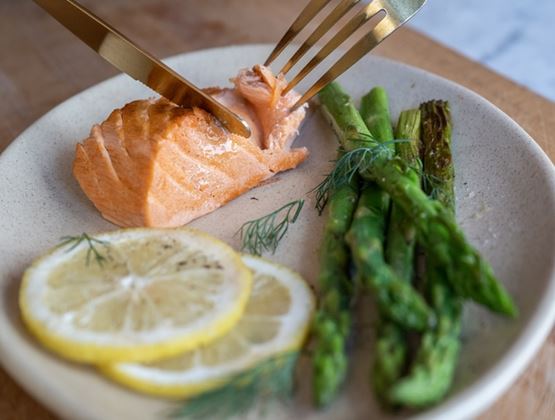
In Canada, New School Foods has pushed the technical conversation further. The company, a SIAL Innovation finalist at SIAL Canada 2026, presents mercury-free plant-based salmon fillets designed to replicate salmon’s texture, taste, colour and cooking behaviour from raw to cooked. This is an important shift. Instead of offering a plant-based product that merely resembles fish on the plate, the aim is to reproduce the cooking ritual itself.
That matters for restaurants and retailers. A product that behaves like salmon in a pan, under a grill or with a sauce can fit more easily into existing foodservice routines. For a food innovation exhibition like SIAL Paris, this kind of development is exactly where technical processing, ingredient science and consumer expectation meet.
Upcycling gives plant-based a second story
The category is not advancing through technology alone. As brands work to improve taste and texture, they are also being pushed to give plant-based products a stronger environmental logic. This is where upcycling enters the conversation, linking innovation not only to what plants can imitate, but to what the food system can recover.
Sustainability claims have become harder to make casually. Consumers have seen too many broad promises. Upcycling gives plant-based brands a more concrete story because it begins by addressing a problem: valuable food materials are often lost, discarded or underused.
Upcycled foods use ingredients that would otherwise become waste and transform them into new products or inputs. This can include spent grains from brewing, fruit pulp, vegetable offcuts, coffee by-products or imperfect produce. The appeal is not only environmental. Upcycled ingredients can add fibre, protein, flavour or texture, while helping brands tell a more specific sustainability story.
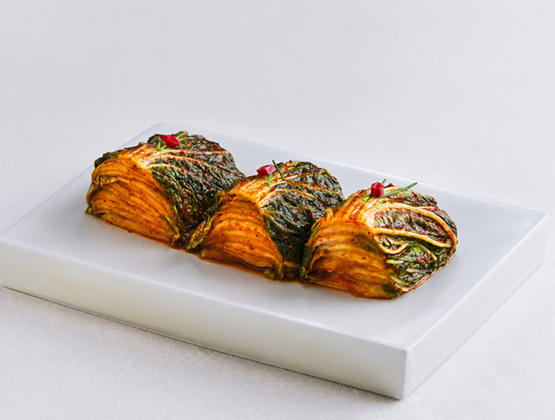
SIAL Innovation 2024 also highlighted upcycling through OURHOME’s Green Leaf Kimchi, made using the outer green cabbage leaf that is usually discarded. Such products suggest that waste reduction is becoming less of a back-of-house efficiency topic and more of a visible part of product identity.
Indulgence takes the lead
For years, plant-based products were often sold through absence: no dairy, no meat, no eggs, no compromise. The newest indulgent products are more confident. They lead with creaminess, pastry, chocolate, caramel, crunch and comfort, then let the plant-based claim follow.
This is particularly visible in desserts and bakery goods. Vegan pâtisseries, dairy-free desserts and plant-based bakery concepts are increasingly designed for flexitarians and curious mainstream shoppers, not only committed vegans. In France, Atelier Dessy offers plant-based desserts made from coconut milk and almonds, including yoghurt-style products and gourmet chocolate and caramel desserts. In 2025, the brand also launched a plant-based skyr alternative in raspberry and mango-passionfruit flavours.
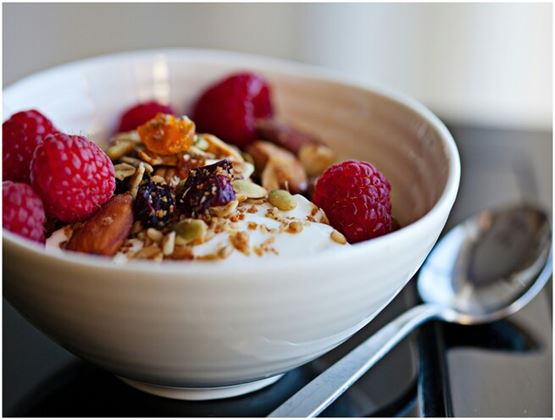
This indulgence-first positioning matters because it removes some of the defensive language around vegan food. A dairy-free dessert no longer needs to apologise for what it is not. It can compete through texture, flavour and pleasure. The same logic is spreading into plant-based ice creams, cookies, filled pastries, chocolate mousses and creamy sauces. The substitute is becoming the craving.
Another strand is “non-mimic” plant-based innovation. Rather than asking plants to behave like beef, chicken or cheese, brands are building products around chickpeas, mushrooms, lupin, fava beans, seaweed, algae, oats and ancient grains. These products often feel more transparent to consumers worried about ultra-processing. They also create space for regional food cultures, where plant-based eating has long existed through falafel, dhal, tofu, tempeh, bean stews, vegetable pâtés or grain-based dishes.
The category’s future will likely be mixed. Some consumers will want high-tech whole-cut salmon alternatives. Others will prefer a simple hummus bar, a lentil snack or an indulgent coconut-based dessert. The strongest brands will understand that plant-based is no longer a single market, but a set of overlapping motivations: protein, pleasure, sustainability, convenience, animal welfare, curiosity and digestive comfort.
For SIAL Paris, this makes plant-based food one of the clearest windows into how the wider industry is changing. This can be seen in one of SIAL Unpack’s recent videos. At a global food industry trade show, the most interesting products are not those that simply announce a replacement, but those that bring taste, usefulness and a credible reason to exist. As SIAL Paris continues to bring innovators, buyers and manufacturers together, plant-based food will remain a vital testing ground for the next generation of food business.
Image credits:
Vanessa Loring - Pexels
Joan McEwan - Unsplash
OURHOME
New School Foods