
PROTEIN, PLEASURE AND THE NEW RULES OF NUTRITION

Protein has left the gym bag. Once associated mainly with bodybuilders, powdered shakes and performance diets, it now appears across yoghurts, cereals, bakery, confectionery, ready meals and snacks. The shift is not just about adding grams to a label. It reflects a broader change in how consumers understand food: as fuel, reassurance, pleasure and daily support.
The SIAL Paris trends focus on proteins describes a market shaped by diversification, with sources ranging from legumes, algae, insects and mushrooms to fermentation-based proteins and plant-based ingredients. Protein is no longer a simple opposition between animal and plant. It has become a wider field of nutritional, technical and culinary experimentation.
Protein enters the everyday basket
Several forces are driving this movement. Ageing consumers are paying closer attention to muscle maintenance. Younger shoppers are influenced by fitness culture, body composition trends and social media. The rise of GLP-1 weight-loss drugs has also intensified interest in foods that combine protein, fibre and controlled portions, as manufacturers adapt products for smaller appetites and higher nutritional density.
The market figures show how quickly protein has become commercialised. Fortune Business Insights valued the global high-protein food market at USD 51.39 billion in 2025, with projections of USD 55.38 billion in 2026 and USD 105.34 billion by 2034.Protein snacks are expanding too, reflecting the same appetite for convenient, functional formats: the category was valued at USD 54.86 billion in 2025 and could reach USD 120.43 billion by 2034.
This explains why familiar foods are being reformulated. A yoghurt becomes a satiety-led snack. A cereal becomes a morning performance product. A chocolate bar sits between indulgence and functional nutrition. Yet the rule remains simple: taste and texture decide repeat purchase.
Animal protein adapts, not disappears
The rise of alternative proteins does not mean meat, dairy or eggs are fading away. Global demand for animal protein remains strong. The OECD-FAO Agricultural Outlook 2025-2034 projects total meat consumption to rise by 47.9 million tonnes over the next decade, while annual per capita consumption is expected to increase by 0.9 kg by 2034.
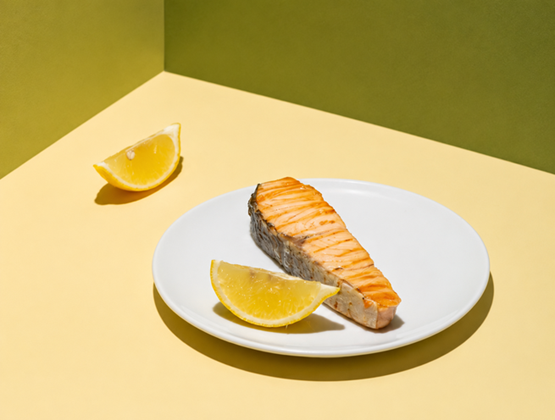
However, mature markets are changing the terms of that demand. In higher-income countries, consumers are more sensitive to animal welfare, environmental impact and health, contributing in some cases to stagnant per capita meat consumption. This creates space for premium animal protein, smaller portions, clearer sourcing and stronger quality cues.
For a fresh meat exhibitor, the protein conversation opens space for a richer story around breed, origin, welfare, regenerative farming, nutrition and culinary performance. Dairy follows a similar logic, with whey moving from by-product to high-value ingredient as high-protein products spread across mainstream retail.
Alternatives move beyond imitation
Plant-based and alternative proteins are entering a more demanding phase. Early enthusiasm for imitation meat has given way to a tougher question: does the product taste good enough, cook well enough and offer a reason to buy again? According to Euromonitor analysis reported by GFI, global retail sales of plant-based meat, seafood and dairy reached USD 28.9 billion in 2025, up 3% on the previous year including inflation.
The category is becoming broader. Pulses are gaining attention because they are familiar, protein-rich and agronomically relevant. Fungi and mycoprotein offer textures suited to meat alternatives. Precision fermentation can create specific proteins with controlled functionality. Algae and insects remain more culturally uneven, but they continue to attract interest in ingredient, feed and specialist applications.
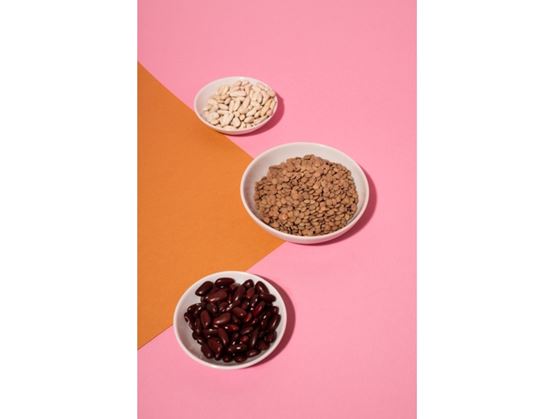
A 2026 open benchmark comparing plant-based and animal meats across 14 categories found that some plant-based formats came close to animal benchmarks in overall liking, while savouriness, aftertaste, juiciness and tenderness remained decisive. For the food processing industry, protein innovation is now about structure, flavour chemistry and cooking behaviour, not source alone.
A strategic ingredient for 2026
The strongest protein products increasingly combine several promises. They may be high in protein, rich in fibre, lower in sugar, convenient and more sustainable in sourcing. This stacking of benefits is attractive, but it raises the bar for credibility. Consumers may want more protein, but they are alert to over-processing, vague claims and disappointing sensory quality.
That is why protein belongs at the centre of food innovation exhibitions. It crosses ingredient science, processing, farming systems, nutrition communication, retail strategy and foodservice. It also cuts across the show floor, from dairy, grocery and meat to snacks, beverages, frozen foods and start-ups.
As SIAL Paris looks towards its next edition, protein stands out as a defining subject for this 2026 global food exhibition. The opportunity is not simply to add more protein to more products. It is to make protein more diverse, more credible and more pleasurable, connecting nutrition with cost, culture, climate and appetite.