
FROM PINTEREST TO PLATE: VISUAL STORYTELLING TRENDS IN FOOD

Food is increasingly designed to be seen before it is tasted. This transformation is not simply a social media phenomenon but a broader evolution in how consumers interact with products. Platforms such as Pinterest, which analyses billions of searches annually, offer a window into these emerging preferences. Its 2026 Pinterest Predicts report highlights a convergence of texture, colour and narrative, suggesting that the plate has become a stage for aesthetic expression.
Texture as spectacle: the rise of Gimme Gummy
Among the most distinctive developments is the growing appeal of elastic, glossy textures. The Gimme Gummy trend extends beyond confectionery into a wider sensory language defined by tactility and visual intrigue. Searches for “jelly candy aesthetic” have risen by 100 percent, while interest in agar-based preparations has grown by 35 percent.
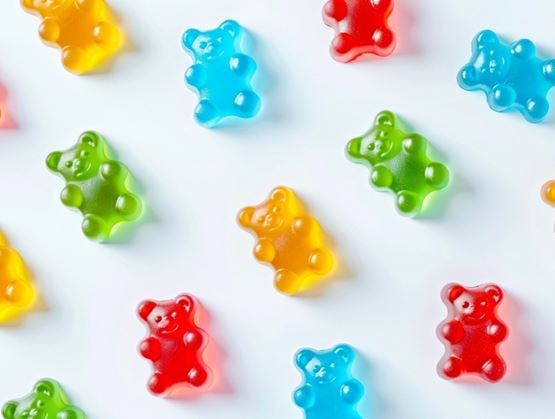
This reflects a broader shift towards playful, almost interactive food formats. Chefs and manufacturers are experimenting with gelification, layered translucency and soft structures that respond to touch. The appeal lies in both nostalgia and novelty. Gummy textures evoke childhood sweets while also aligning with contemporary interests in ASMR and sensory experiences.
In product development, this has implications for ingredients and processing techniques. Hydrocolloids, pectin and plant-based gelling agents are gaining renewed attention, not only for functionality but for their visual potential. The result is a category that blurs the boundary between dessert, snack and design object.
Chromatic minimalism and the Cool Blue palette
Colour has long been a tool in food presentation, yet the emergence of Cool Blue signals a more deliberate and stylised use of chromatic identity. According to Pinterest data, searches for “blue drinks aesthetic” have increased by 55 percent, alongside a 50 percent rise in “icy blue” imagery.
Blue remains relatively rare in natural food contexts, which contributes to its impact. It evokes freshness, artificiality and even futurism simultaneously. In beverages, this has translated into glacier-inspired cocktails, butterfly pea infusions and vividly tinted soft drinks. In plated dishes, subtle blue accents are used to create contrast and visual depth.
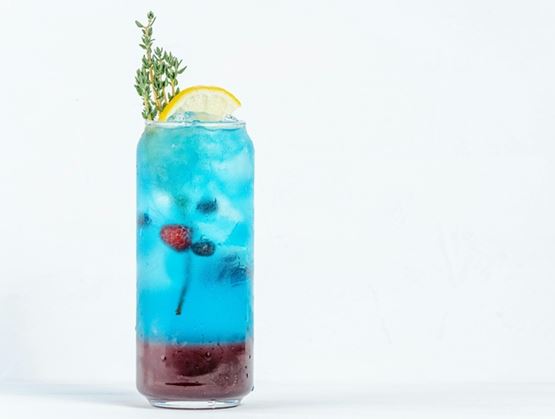
For brands, this trend intersects with packaging and positioning strategies. Cool-toned palettes suggest precision and clarity, aligning with categories such as functional beverages, low-sugar formulations and other innovative drinks. At the same time, the visual distinctiveness supports shareability, reinforcing the role of social platforms in amplifying product visibility.
From vegetable to centrepiece: Cabbage Crush
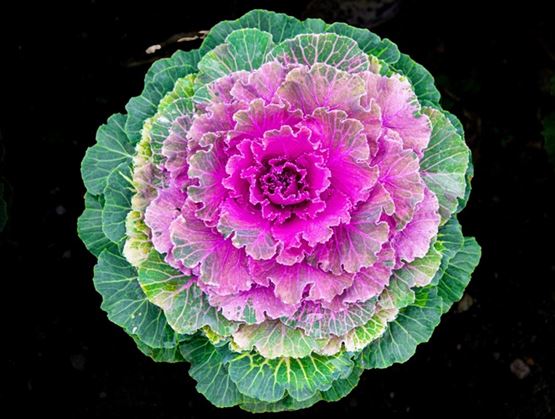
Perhaps the most unexpected development is the elevation of cabbage from staple ingredient to aesthetic focal point. Under the Cabbage Crush trend, this everyday vegetable is reimagined as both sculptural and versatile. Searches for “cabbage dumplings” have surged by 110 percent, while interest in fermented cabbage has risen by 35 percent.
This repositioning reflects a wider movement within the food industry trade show circuit towards revaluing humble ingredients. Cabbage offers visual texture, layered geometry and colour variation, making it particularly suited to contemporary plating styles. Whole roasted cabbage “steaks”, intricately arranged leaves and even cabbage-based cocktails illustrate its adaptability.
There is also a sustainability dimension. As consumers and manufacturers seek lower-cost, lower-impact ingredients, vegetables with strong visual identity gain strategic importance. Cabbage’s affordability and global availability make it an attractive candidate for innovation across both retail and foodservice channels.
Nature, narrative and the return to foraging
Alongside stylisation, there is a parallel movement towards raw, organic aesthetics. The “Into the Wild” influence draws on foraging, woodland imagery and natural irregularity. This approach prioritises imperfection, seasonal variation and a sense of place.
Foraging, once confined to niche culinary circles, has gained broader visibility in recent years. It aligns with consumer interest in provenance, sustainability and experiential dining. Ingredients such as wild herbs, edible flowers and forest fruits are used not only for flavour but to create immersive, landscape-inspired plates.
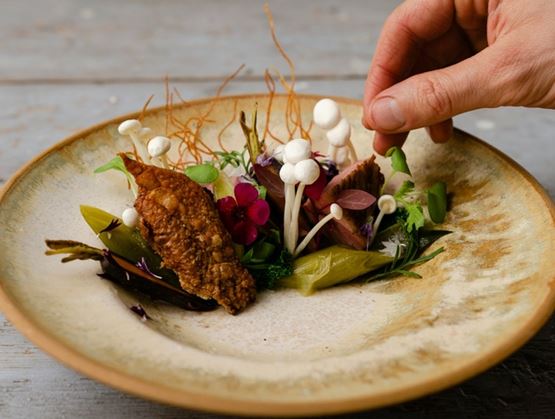
This trend introduces a different kind of visual language. Rather than polished uniformity, it embraces asymmetry and spontaneity. Plates may resemble natural scenes, with elements arranged to evoke undergrowth, moss or woodland terrain. The emphasis is less on precision and more on atmosphere.
For manufacturers, translating this aesthetic into scalable products presents challenges. However, it also opens opportunities in categories such as premium ready meals, botanical beverages and artisanal snacks, where storytelling and origin can be integrated into both product and packaging.
Decorative precision: the influence of lace
The Laced Up trend introduces a contrasting dynamic, centred on delicacy and intricate patterning. Inspired by lace and textile design, it manifests in edible forms through fine piping, sugar work and detailed pastry techniques. Pinterest data shows that interest in lace-inspired elements is expanding across categories, with searches for “lace doily” rising by 105%, reflecting a renewed focus on decorative detail that translates naturally into food presentation and plating aesthetics.
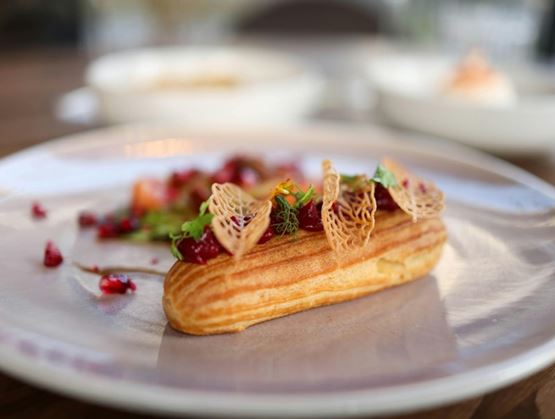
In food, this translates into a renewed focus on craftsmanship. Filigree chocolate decorations, lace-like tuile biscuits and embroidered icing patterns highlight technical skill while reinforcing visual refinement. This aesthetic resonates particularly in patisserie and high-end desserts, where presentation is integral to perceived value.
The coexistence of this trend with more organic styles shows the diversity of current influences. While some consumers are drawn to natural irregularity, others seek precision and ornamentation. Both approaches share a common emphasis on visual impact, underscoring the centrality of aesthetics in contemporary food culture.
From consumption to scenography
Across these trends, a unifying theme emerges. Food is no longer defined solely by taste or nutrition but by its capacity to create a visual and emotional experience. Plates are composed with the same attention to detail as a photograph or a set design.
This evolution has tangible implications for the industry. Product development increasingly considers how items will appear in digital contexts, from social media feeds to e-commerce platforms. Packaging, colour and texture are designed to translate effectively across screens as well as in physical settings.
At the same time, consumer expectations are shifting. Dining, whether at home or in restaurants, is becoming more performative. Meals are documented, shared and evaluated not only for flavour but for their visual narrative. This dynamic is particularly evident among younger demographics, who are driving many of the search trends identified in the Pinterest report.
Within the professional ecosystem, these developments are influencing discussions at major gatherings such as Sial Paris. As a leading food exhibition, it provides a platform where visual innovation, ingredient evolution and consumer behaviour intersect. Exhibitors and industry stakeholders are increasingly exploring how aesthetics can enhance product differentiation and market positioning.
The plate, once a functional surface, has become a medium for storytelling. Whether through the glossy elasticity of gummies, the cool precision of blue tones, the sculptural simplicity of cabbage or the wild textures of foraged ingredients, food continues to expand its expressive potential.
Image credits
Roman Odintsov - Pexels
Denys Gromov - Pexels
Valeria Boltneva - Pexels
Aarón Blanco Tejedor - Unslpash
Siegfried Poepperl - Pexels