
THE BLURRED LINES BETWEEN HEALTH CLAIMS AND NEW FORMATS

Nutraceuticals sit in a space that is both familiar and slippery. The term usually refers to products derived from food sources, or positioned through food-based ingredients, that are marketed for nutritional or physiological benefits beyond basic nourishment. They may appear as fortified drinks, powders, gummies, bars, capsules, shots, dairy products or ready-to-drink coffees. Their promise is not simply to feed, but to support something: immunity, digestion, sleep, focus, skin, energy, stress response or healthy ageing.
That positioning explains why the category increasingly blurs the line between food and pharma. It borrows the rituals of food, the convenience of beverages and snacks, and the vocabulary of clinical science. However consumers should keep in mind that nutraceuticals are not medicines. In Europe, food supplements are legally defined as foods intended to supplement the normal diet, containing concentrated sources of nutrients or other substances with a nutritional or physiological effect, marketed in dose form such as tablets, capsules, powders or liquid ampoules. Health claims, meanwhile, are governed by EU rules that require authorised wording when brands highlight beneficial effects on labels or in advertising.
From supplements to everyday consumption
The distinction between nutraceuticals, supplements and adaptogens matters. Supplements are a format and regulatory category: capsules, tablets, sachets or other measured doses designed to add nutrients or physiological substances to the diet. Nutraceuticals are broader and more commercially fluid. They may include supplements, but they also cover functional foods and drinks where the benefit is built into everyday consumption.
Adaptogens are different again. They are ingredients, often botanicals such as ashwagandha, rhodiola or ginseng, associated with helping the body respond to stress. They can be used in supplements, but also in teas, coffees, chocolates, sparkling drinks or snack bars. A mushroom coffee with lion’s mane, an ashwagandha cocoa drink and a magnesium sleep shot may all live in the same wellness aisle, but their regulatory and scientific profiles are not identical.
This is where consumer perception becomes powerful. Many shoppers do not separate format from function. A drink with magnesium, collagen or probiotics may feel more food-like than a capsule, even if both are sold on similar benefit cues. SIAL Unpack’s recent work on functional coffee reflects this shift, with coffee products increasingly blended with adaptogens, nootropics, vitamins or proteins to move beyond caffeine and towards focus, calm or wellbeing .
Drinks become the sharp end of the market
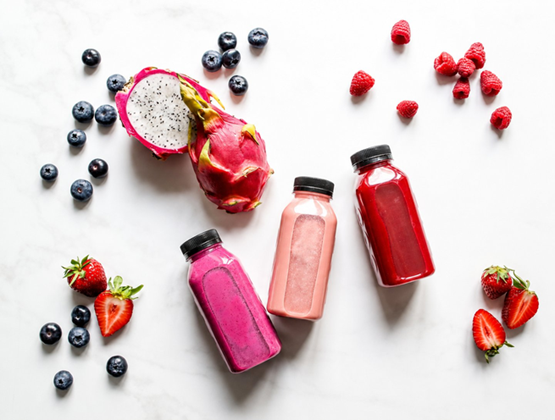
The most dynamic battleground is beverage. Ready-to-drink formats have become a natural home for nutraceutical thinking because they combine routine, portability and controlled dosage. Functional waters, prebiotic sodas, probiotic shots, protein coffees, electrolyte drinks, collagen beverages and mood-positioned sparkling drinks are part of the same wider movement.
Recent market data points to strong momentum. Fortune Business Insights valued the global nutraceuticals market at USD 500.62 billion in 2025, and projected it to reach USD 1,124.56 billion by 2034. The related functional food and beverage market is projected to grow from USD 437.62 billion in 2026, to USD 983.17 billion by 2034 .
Convenience is only part of the story. RTD formats also make nutraceuticals feel less medical. A canned drink can be social, premium, chilled and flavour-led. This matters in a market where health is no longer limited to absence of illness. It now includes mental energy, beauty from within, digestion, hydration, hormonal balance and resilience. Market research group FMCG Gurus noted in 2025 that clear labelling is critical in functional beverages, with around 30% of consumers saying they would not recognise the use of botanicals in a beverage unless it was clearly indicated.
Personalisation and the demand for proof
Personalisation is pushing nutraceuticals into more sophisticated territory. Instead of a generic multivitamin, consumers are being offered products linked to lifestyle questionnaires, microbiome testing, blood markers, sleep data or fitness goals. The promise is seductive: nutrition that feels made for the individual rather than the mass shelf.
For brands, this opens a new relationship with consumers. Data can inform repeat purchases, subscription models and product development. For retailers, it creates segmentation around life stages and need states, from active ageing and women’s health to sports recovery, stress support and cognitive performance. For the food processing industry, it also requires technical precision: stability of active ingredients, taste masking, shelf life, dosage, bioavailability and clean labelling all become part of the innovation challenge.
Yet the science is uneven. Some ingredients, such as certain vitamins, minerals, fibre, protein or probiotics, are supported by substantial research when used appropriately. Others carry weaker or more context-dependent evidence. Food supplements may include ingredients beyond vitamins and minerals, including botanicals, but these may fall under other rules depending on their nature, such as novel food or fortification legislation.
The future of nutraceuticals will therefore depend less on louder claims than on credible substantiation. The market is moving from “wellness vibes” to proof, formulation quality and transparent communication. Consumers may be open to functional benefits, but regulators and informed buyers are increasingly alert to overpromising.
A new language for food innovation
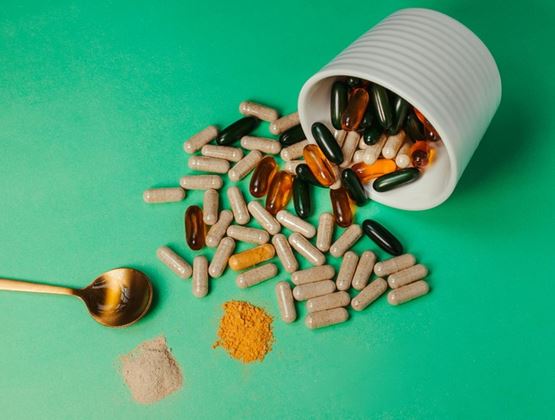
Nutraceuticals are not replacing medicine, nor should they pretend to. Their real power lies elsewhere: in reshaping daily food and drink around prevention, self-care and measurable function. A breakfast drink can become a protein delivery system. A snack can carry fibre and botanicals. A coffee can promise energy with calm. A gummy can turn beauty nutrition into a routine. The line between eating, supplementing and managing wellbeing is becoming thinner.
For the food innovation exhibition landscape, this raises important questions. Which claims can be trusted? Which ingredients are genuinely effective in food matrices? How can taste, safety and science be balanced without stripping products of pleasure? And how can the industry avoid turning every meal into a medicalised act?
At Sial Paris, taking place from 17 to 21 October 2026, these questions will sit naturally within a wider conversation about the future of food. Nutraceuticals bring together health, formulation, regulation, consumer behaviour and retail strategy in one fast-moving category. For exhibitors and buyers, the opportunity is not simply to follow wellness, but to make it more credible, more enjoyable and more useful in everyday life.
Image credits:
Jonathan Borba - Pexels
Polina Tankilevitch - Pexels