
HIHO KIDS AND DIGITAL FOOD BEHAVIOUR

The YouTube channel, known for featuring children reacting to and tasting foods from around the world, including viral TikTok-driven creations, has become an important cultural touchpoint. For the global food and beverage industry, it offers insight into how children experience food content, how they respond to trends and how these reactions may forecast wider consumer shifts.
HiHo Kids is built around an instantly recognisable format in which children explore new dishes, unusual flavour combinations or internet-famous recipes. Episodes such as “Kids Try Viral Food Trends” draw directly from platforms like TikTok, bridging informal online food culture with family-friendly entertainment. What distinguishes the channel is the spontaneity of the reactions: children’s expressions, curiosity and commentary create a sense of authenticity that resonates with viewers of all ages. For food sector observers, these unscripted responses provide valuable traces of preference formation at a young age.
What HiHo Kids reveals about digital food behaviour
This link between digital content and food behaviour is supported by a growing body of research. A 2022 systematic review titled “Social Media and Children’s and Adolescents’ Diets” highlights the association between exposure to food-related content on digital platforms and dietary choices among younger audiences. The review notes how online food marketing and short-form video formats influence preference formation, snacking behaviour and requests for specific products. Similarly, the Brazilian study “Association between Television Viewing and Food Habits in Schoolchildren” emphasises how screen exposure, particularly during meals, correlates with increased consumption of energy-dense foods. Another study published in Nutrients, “Motivation to Watch Food Content on Social Media and Its Association with Eating Behaviour” found that those who consume more food-related video content tend to replicate or experiment with what they see.
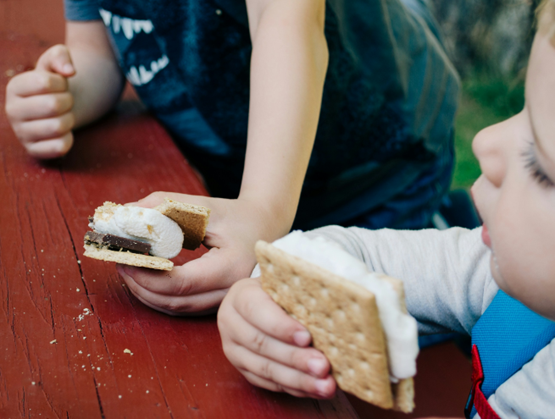
How kids imitate what they watch
All these studies underline a shared observation: children do not merely watch food content, they often mimic it. They replicate, request or reinterpret what they see on screen. In this light, HiHo Kids is not just entertainment. It is part of a wider media ecosystem influencing how families and children discover and evaluate food.
Within the channel’s format, several dynamics emerge that are directly relevant to industry professionals. The first is the power of authentic peer-reaction. Children respond naturally and without hesitation, creating a form of soft peer-to-peer influence that is far more relatable than traditional advertising. Their visible delight, surprise or rejection provides clues about flavour trends, sensory triggers and the emotional components that appeal most strongly to younger viewers.
The second dynamic is the way HiHo Kids translates online micro-trends in the food sector into mainstream family contexts. A TikTok food hack may originate as an experiment among teenagers or creators, but when filtered through a children’s tasting format, it becomes demystified and normalised. This shift provides an early signal of which trends are likely to scale: those that can be adapted into accessible, family-friendly formats. For innovation teams, this raises questions about how a viral dessert, snack or hybrid product might evolve into a packaged SKU suited to supermarkets and households.
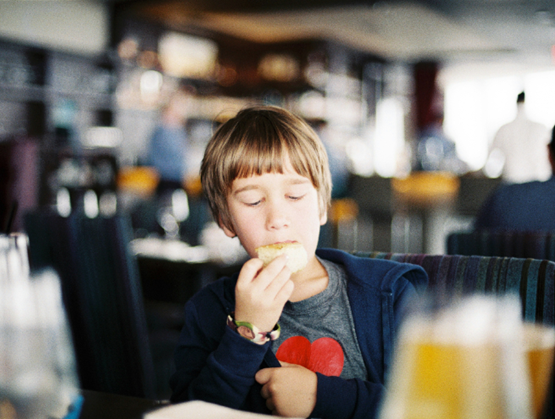
Implications for innovation, responsibility and market strategy
For the food sector, the implications are increasingly strategic. Food brands must design products that thrive in the visual logic of online videos: bold colours, layered textures, interactive elements and packaging that photographs well. At the same time, the family-friendly translation of trends, demonstrated so clearly by HiHo Kids, suggests that innovations must consider both safety and accessibility. Products intended for children demand responsible labelling, clear allergen information and nutritional transparency.
There are also ethical dimensions. Studies such as “Social Media and Children’s and Adolescents’ Diets” and the Mukbang-related research highlight concerns around the merging of entertainment and informal food advertising. Younger audiences often struggle to distinguish between organic content and promotional messaging. As more brands experiment with digital formats and peer-driven content, maintaining authenticity and transparency will be essential to preserving trust.
A further challenge is the volatility of online trends. Viral recipes rise and fall rapidly, and not every social-media sensation translates into long-term consumption. The 2022 review in Nutrients reinforces this point: while digital content can influence immediate behaviour, lasting success depends on taste, convenience, and sustained desirability. For exhibitors and buyers at SIAL Paris, this underscores the need for agile innovation processes that allow rapid iteration without compromising product integrity.
HiHo Kids ultimately demonstrates how children, digital platforms and experiential content are reshaping food discourse. Their filmed reactions offer early indicators of curiosity, acceptance and resistance, signals that matter for brands seeking to navigate rapidly shifting consumer landscapes. As the food industry becomes increasingly intertwined with digital behaviour, younger audiences will continue to play an influential role in the evolution of trend-led products. Companies that harness visual storytelling, anticipate child-driven adoption patterns and balance speed with responsibility will be best positioned to translate ephemeral online content into meaningful market opportunities.
Image credit : Hannah Tasker - Unsplash
Image credit : Kelly Sikkema - Unsplash
Image Credit : Annie Spratt - Unsplash