
PET FOOD TRENDS MIRRORING HUMAN SHIFTS

A bowl is placed on the kitchen floor. It might contain carefully portioned fresh chicken, a grain-free formulation enriched with probiotics, or even a personalised recipe ordered through an app. Increasingly, what pets eat mirrors the complexity of human diets. Once dominated by standardised dry food, the pet food category has become one of the most innovative segments within the global agri-food landscape. At SIAL Paris, where pet food stands alongside traditional food industry sectors, this transformation is gaining visibility as part of a broader redefinition of consumption.
A global market driven by growth and emotional value
The pet food industry has expanded rapidly over the past several years, fuelled by rising pet ownership and the humanisation of animals. In the United States, the American Pet Products Association reported that total pet industry expenditure reached approximately USD 147 billion in 2023, equivalent to around €136 billion, with pet food and treats accounting for the largest share. Growth has continued into 2025, driven by premium and health-oriented products.
Europe follows a similar trajectory. According to FEDIAF, the European pet food market surpassed €29 billion in 2024, with more than 90 million households owning at least one pet.
China, meanwhile, has emerged as one of the most competitive and fast-evolving markets. A recent Reuters report highlights that the country’s pet food sector reached approximately USD 24 billion in 2025, or around €22.2 billion, with domestic brands gaining ground against international players. Local companies are investing heavily in research, branding and premium positioning, reflecting a shift towards higher-value products and more sophisticated consumer expectations.
Beyond kibble: diversification of formats and ingredients
One of the most visible changes in the market is the diversification of product formats. Dry food remains dominant in volume terms, but its share is gradually declining as consumers explore alternatives. Wet and canned products continue to perform well, particularly in Europe, where they are associated with palatability and perceived quality.
Fresh and frozen pet food, however, represent some of the fastest-growing segments. In North America, brands such as The Farmer’s Dog and Nom Nom have built subscription-based models offering customised meals delivered directly to consumers. These products often emphasise human-grade ingredients, minimal processing and transparency around sourcing.

This diversification extends to treats and snacks. Pet bakeries, once niche, are now appearing in urban centres from Paris to Los Angeles. These outlets offer artisanal biscuits, birthday cakes and seasonal products designed to replicate human indulgence. The concept illustrates how emotional engagement drives purchasing decisions, turning pet food into an experience rather than a necessity.
At the same time, functional ingredients are becoming more prominent. Probiotics for digestive health, omega-3 fatty acids for coat condition and supplements targeting joint health are increasingly integrated into formulations. This broader convergence between pet nutrition and human wellness trends, echoes developments seen in other categories such as functional beverages.
Premiumisation and the rise of personalised nutrition
Premiumisation remains one of the strongest forces shaping the sector. Consumers are trading up, seeking products that promise specific health benefits, ethical sourcing or superior ingredient quality. Grain-free, organic and limited-ingredient diets are now widely available, while some brands are exploring novel proteins such as venison, duck or even plant-based alternatives.
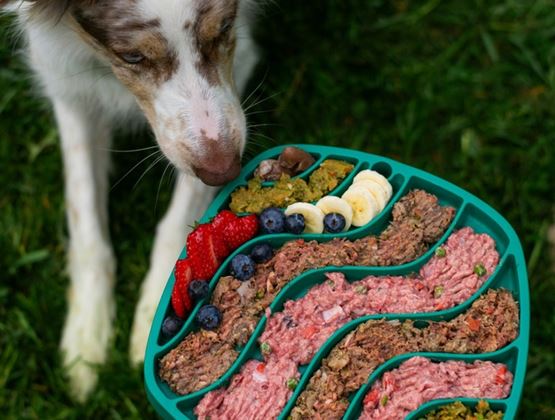
Personalisation is emerging as the next frontier. Digital platforms allow pet owners to input data such as breed, age, weight and activity level, generating tailored meal plans. This approach mirrors the growing interest in personalised nutrition in the human food market, where dietary choices are increasingly guided by measurable health indicators.
Examples are multiplying. Mars Petcare has expanded its portfolio of customised nutrition services, while smaller start-ups are leveraging data analytics to refine recipes in real time. In China, local brands are investing in similar technologies, positioning themselves as innovators rather than low-cost alternatives.
This shift towards personalisation not only enhances perceived value but also strengthens customer loyalty. Subscriptions, in particular, create recurring revenue streams and closer relationships between brands and consumers.
Sustainability and alternative proteins
Environmental concerns are also influencing product development. The pet food industry faces scrutiny over its reliance on animal protein and its broader ecological footprint. In response, companies are exploring more sustainable alternatives.
Insect-based protein is gaining traction, particularly in Europe. Brands such as Yora and Tails.com have introduced formulations using black soldier fly larvae, which require significantly less land and water than traditional livestock. These products are often marketed as hypoallergenic as well as environmentally friendly.
Plant-based pet food is another emerging segment, though it remains controversial. While some consumers embrace vegan options for ethical reasons, veterinary experts continue to debate their nutritional adequacy. Nevertheless, innovation in this space is accelerating, supported by advances in ingredient technology.
Packaging is also evolving. Recyclable materials, reduced plastic use and carbon-neutral production claims are becoming more common. These initiatives align with broader sustainability goals across the food exhibition landscape, where environmental responsibility is increasingly central to product development.
Retail, branding and new consumption habits
Distribution channels are changing alongside product innovation. E-commerce has become a key driver of growth, particularly in North America and China. Subscription models, direct-to-consumer platforms and online marketplaces allow brands to reach consumers more efficiently while gathering valuable data.
Retail environments are adapting as well. Dedicated pet food sections in supermarkets are expanding, while specialised stores are emphasising expertise and personalised advice. In some cases, hybrid spaces combining retail, grooming and veterinary services are emerging, reinforcing the idea of pet care as a holistic ecosystem.
Branding plays a crucial role in this context. Visual identity, storytelling and transparency are increasingly important in differentiating products. Packaging often mirrors human food design, with clean labels, detailed ingredient lists and premium aesthetics.
From niche category to industry showcase
The evolution of pet food reflects wider transformations within the global food system. Health, sustainability, premiumisation and digitalisation are not isolated trends but interconnected forces reshaping how products are conceived, produced and consumed.
At SIAL Paris, where pet food is recognised as a dedicated category, these dynamics take on a tangible form. As the boundaries between human and animal nutrition continue to blur, the pet food aisle offers a glimpse into the future of the food industry show environment. It is a space where emotional value meets technological innovation, and where the simple act of feeding a pet underscores some of the most complex shifts in contemporary food culture.
Image credits:
Daniel Dan - Unsplash
gabesdotphotos - pexels
Ayla Verschueren - Unsplash