
ENERGY DRINKS: A NEW GENERATION FOCUSED ON BALANCE

Energy used to be a blunt promise. A flash of caffeine, a heavy dose of sugar, a logo built for late nights, gaming chairs or gym bags. Today, the category has become more complicated and more interesting. The modern energy drink might still look like Red Bull or Monster, driven by caffeine and stimulation, but it might also resemble a Gatorade-style electrolyte drink, an iced coffee with protein, a matcha latte with L-theanine, a probiotic soda, a mushroom coffee shot or a sparkling water fortified with vitamins.
Strictly speaking, these products do not all sit in the same technical category. Traditional energy drinks are generally understood as beverages containing caffeine and other stimulants such as taurine, guarana or L-carnitine. The US Centers for Disease Control and Prevention describes them as drinks that typically contain large amounts of caffeine, added sugars and legal stimulants, marketed for alertness and energy. Sports drinks, by contrast, are built around hydration, carbohydrates and electrolytes such as sodium and potassium. Yet on supermarket shelves, consumer language is softer than regulatory language. For many shoppers, “energy” now means anything that helps them feel awake, hydrated, focused, replenished or productive.
That shift is changing one of the most dynamic corners of the beverage aisle. Grand View Research estimates the global functional drinks market at USD 164.68 billion (€140.68 billion) in 2025, with a projection of USD 315.89 billion (€269.84 billion) by 2033. Within that broader movement, energy drinks remain powerful. Fortune Business Insights puts the global energy drinks market at USD 77.16 billion (€65.91 billion) in 2025, rising to USD 157.21 billion (€134.30 billion) by 2034.
From sports bottle to stimulant can
The confusion around energy drinks begins with two very different traditions. The first is sports hydration, where the promise is replacement. Water, electrolytes and sometimes carbohydrates are used to support fluid balance during or after exercise. The second is stimulant-led energy, where caffeine and associated ingredients are used to increase alertness, concentration and perceived stamina.
Both have evolved. Sports drinks are moving beyond neon-coloured sugar and salt into low-sugar hydration powders, coconut water blends, amino acid drinks and mineral-rich waters. Energy drinks are doing the opposite journey, borrowing wellness language from the health aisle. The result is a hybrid zone where electrolyte drinks contain caffeine, sparkling waters contain B vitamins, and energy cans advertise “natural caffeine” from green tea, yerba mate or guarana.
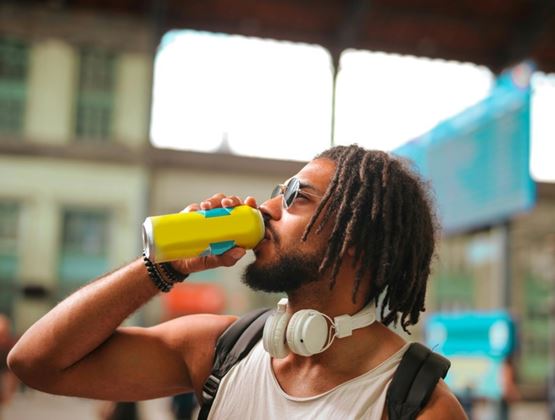
This has helped the category move away from a purely extreme positioning. It is no longer aimed only at athletes, students or night-shift workers. Office professionals, commuters, gamers, fitness consumers and sober-curious drinkers are all part of the target. Grand View Research notes that Europe’s energy drinks market is expected to grow at a 7.1 percent CAGR from 2026 to 2033, supported by demand from young adults, working professionals and consumers seeking low-sugar and naturally sourced formulations.
Functional energy and the wellness crossover
The new generation of energy drinks is increasingly part of the functional beverage economy. Some formulas now include probiotics or prebiotics for digestive support, although the science and permitted claims vary by market. Others add protein, collagen, amino acids, magnesium, zinc, selenium or B vitamins. Drinks designed for focus may include L-theanine, lion’s mane mushroom, ginseng or rhodiola. Products aimed at calm energy often position themselves as an alternative to the jittery caffeine rush.
Functional coffee sits close to this trend. In a recent SIAL Paris article on functional coffee, we explain how new versions of this morning staple are infused or blended with additional ingredients beyond standard beans and water, including adaptogens, nootropics, vitamins and proteins.
Coffee drinks now occupy a particularly important place in the energy conversation. Canned cold brew, protein coffee, mushroom coffee, matcha, RTD lattes and yerba mate drinks offer caffeine with a softer image than classic energy cans. They speak to ritual as much as performance. They also allow brands to segment energy by mood: wake-up energy, focus energy, workout energy, digestive energy, beauty energy and social energy.

The protein angle is especially notable. Beverage brands are responding to mainstream interest in high-protein diets by developing lighter, more portable RTD formats. In early 2026, Beyond Meat announced Beyond Immerse, a plant-based protein drink containing either 10g or 20g of protein, plus fibre, vitamin C and electrolytes, signalling how even companies outside traditional beverages are entering functional drink territory.
Energy with a health warning
The category’s opportunity is matched by a credibility challenge. Energy claims can be powerful, but they sit close to questions of safety, sugar content and overconsumption. The European Food Safety Authority’s caffeine opinion states that single doses of caffeine up to 200mg and daily intake up to 400mg do not raise safety concerns for healthy adults, but those figures do not apply universally across children, adolescents or pregnant women. The US National Center for Complementary and Integrative Health also warns that guarana contributes additional caffeine, which can increase total intake beyond what consumers expect.
In Europe, political attention has sharpened. A 2025 European Parliamentary Research Service briefing noted that energy drinks are widely marketed as performance-enhancing products and often contain high levels of caffeine, sugar and stimulants such as taurine and guarana. It also stated that no EU product-specific legislation exists, although high-caffeine drinks must carry mandatory warning labelling under Regulation (EU) 1169/2011.
This scrutiny matters because the new functional vocabulary can make products feel healthier than they are. A drink containing vitamins, electrolytes or prebiotics may still contain caffeine, sweeteners or high sugar levels. A probiotic soda may be positioned around gut health, but its real effect depends on strain, dose, survival through shelf life and the regulatory framework in which it is sold. A protein coffee may be useful for convenience, but it is still part of total caffeine intake.
For manufacturers, this creates a need for sharper formulation and clearer communication. Energy is moving from impact to balance. The most resilient brands are likely to be those that can explain not only what their drinks contain, but why the ingredients are there, how much is included and what consumers should realistically expect.
The beverage aisle becomes a laboratory
For the food industry trade show ecosystem, energy drinks now illustrate how fast beverage innovation is crossing category boundaries. Innovative drinks are no longer simply alcoholic or non-alcoholic, hot or cold, carbonated or still. They are becoming functional platforms. The same product may touch sports nutrition, coffee culture, gut health, convenience retail and wellness.
With ten major business categories spanning the food value chain SIAL Paris reflects this broader movement through its beverage sectors, covering alcoholic drinks, non-alcoholic drinks and hot beverages. In October, the food exhibition will give energy and functional beverages a natural place within a wider conversation on innovation.
The next generation of energy drinks will not be defined by caffeine alone. It will be shaped by hydration science, coffee culture, protein demand, digestive health, regulation and a consumer base that wants stimulation without losing control. In that sense, the category has matured. Energy is still the promise, but precision is becoming the product. For SIAL Paris, this makes the drinks aisle one of the clearest windows onto how the food innovation show landscape is changing: faster, smarter, more functional and more closely watched.
Image credits:
Andrea Piacquadio - Pexels