
FOOD PREMIUMISATION TURNS ECONOMIC PRESSURE INTO VALUE

Premium food is proving more resilient than a simple reading of inflation and household budgets might suggest. In Europe, the net intention to purchase premium or high-quality food increased from -5% in 2023 to +3% in 2026, its strongest level in three years. At the same time, the proportion of shoppers actively looking for ways to save fell from 55% to 46%.
That does not mean consumers have stopped watching prices. Rather, value is becoming more selective. McKinsey's 2026 food and beverage research found that subsegments linked to health, functionality and premiumisation are growing at least two percentage points faster than category averages in many parts of the market. Roughly half of consumers across major markets are also actively reducing artificial ingredients, highly processed foods, sugar or alcohol.
Trading up is therefore becoming less about status alone and more about proof. Ingredient quality, health benefits, origin, convenience, sustainability and tangible product superiority are increasingly central to added value.
The Americas: prestige, trust and differentiation
In Brazil, imports of consumer-oriented food products reached $6.7 billion in 2024, an increase of around 15%. The USDA also identifies growing demand for premium, health-oriented and high-value products. Import costs, however, tend to concentrate these products among consumers capable of absorbing higher prices. Food luxury therefore rests on exclusivity, quality and perceived distinction.
In Mexico, US agricultural and food exports reached $30.6 billion in 2025, while consumer-oriented products increased by 13%, according to the USDA. Agriculture and Agri-Food Canada identifies a growing focus among Mexican consumers on health, quality, innovation and sustainability, creating opportunities for differentiated imported food and beverage products. For gourmet products, food traceability, ethical sourcing and certification can therefore become powerful differentiators.
Asia-Pacific: high value in more targeted formats
Taiwan combines strong purchasing power with an exceptionally developed gastronomic scene. The IMF estimated GDP per capita at purchasing power parity at approximately $98,050 international dollars in 2025, while the Michelin Guide listed 61 Michelin-starred restaurants in its 2026 Taiwan selection. This creates favourable conditions for specialised ingredients and high-end imported products.
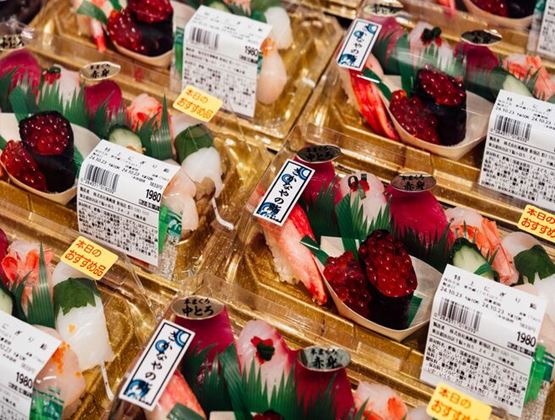
In Japan, the equation combines price sensitivity with convenience. A survey cited by the USDA showed that 45.6% of consumers considered cost one of their main purchasing criteria in early 2025. Smaller households and living spaces are also supporting compact formats. Innovative premium propositions can consequently take the form of individual portions, health-focused formulations or distinctive imported products rather than simply larger or more elaborate packs.
Europe: premium moves into everyday retail
In the United Kingdom, organic food illustrates the resilience of higher-value propositions. The Soil Association reported a 7% increase in supermarket organic sales in 2025, with unit growth four times higher than for non-organic products. Sustainability, transparency and plant-based positioning therefore remain credible areas for testing products with greater added value.
Across Central and Eastern Europe, the picture varies by market. Slovakian supermarkets recorded 2% value growth in 2025, alongside greater openness to international and premium specialities. In the Czech Republic, agricultural imports reached $15.2 billion in 2024, while consumers are increasingly favouring healthy, sustainable and locally produced foods while remaining highly price-conscious, requiring suppliers to balance innovation and quality with affordability.
In Romania, the agri-food trade deficit and limitations in domestic processing continue to support imports. In Bulgaria, imports of consumer-oriented products rose by almost 20% during the first eight months of 2025. For suppliers, the opportunity lies in balancing packaging innovation, accessibility and clear differentiation.
Austria shows how premiumisation has also entered private label, with ranges such as SPAR Premium and BILLA Genusswelt bringing sophisticated gourmet positioning into mainstream retail.
South Africa: premium niches create routes to market
In South Africa, premiumisation is increasingly visible through targeted niches including plant-based, organic, gluten-free and low-sugar foods, as well as products using more sustainable packaging. The country's vegan food market was valued at $97.1 million in 2025, with projected average annual growth of 7.97% through to 2034.
Across these markets, the strongest opportunities share a common logic. Premiumisation becomes more resilient when a higher price is attached to something visible or useful. Better ingredients, nutritional functionality, certified production, origin, convenience, craftsmanship, packaging or distinctive flavour can all provide that justification.
This changes the challenge for exporters. A premium product cannot depend on price positioning alone. Food traceability can make origin credible. Certification can reduce uncertainty for buyers. Packaging can communicate quality before tasting. Smaller formats can preserve accessibility even when the price per kilogram rises. Product innovation can add benefits without pushing an offer into an unreachable luxury tier.

The question is therefore no longer whether premium products can withstand inflation, but which attributes make their price credible. Certification, provenance, health and transparency can turn a price premium into a visible consumer benefit. Food traceability is particularly important in this equation, giving imported products a clearer story and strengthening trust.
For businesses exhibiting at SIAL Paris, this shift makes premiumisation a broader portfolio strategy, ranging from accessible products that move slightly upmarket to highly specialised ultra-premium propositions. It also creates opportunities for companies working in food processing and exporters targeting new international food markets.
Why invest in premium despite inflation?
Food premiumisation remains compatible with economic pressure when consumers can clearly understand what justifies the higher price. Better quality, health benefits, sustainability, provenance and usability can all support that positioning. Food traceability reinforces it further by turning a marketing promise into verifiable information and building confidence around imported products.
Image credits:
GN - Pexels
Tamanna Rummee - Unsplash