
FOOD ARTISTRY REDEFINED

Food has always carried an aesthetic dimension, but its role has expanded significantly in recent years. No longer limited to presentation in fine dining, visual appeal has become a central driver of consumption, particularly among younger generations. Platforms such as Instagram and TikTok have transformed dishes into shareable images, where colour, texture and composition can be as influential as taste.
This evolution is not anecdotal. According to insights highlighted in the most recent SIAL Paris white paper, 73 per cent of Generation Z consumers report having purchased a food or beverage after seeing it on social media. In parallel, search trends and viral content continue to amplify visually striking formats, from layered drinks to sculptural desserts. Food is increasingly designed not only to be eaten, but to be seen.
The visual turn in food consumption
The growing importance of aesthetics reflects deeper changes in how consumers relate to food. Eating is no longer solely about nutrition or pleasure. It is also a form of self-expression and social participation. Food has become a marker of identity and belonging, shaped by cultural and digital influences.
This shift has elevated presentation to a strategic factor. Bright colours, unusual shapes and carefully staged compositions attract attention in crowded digital environments. The success of products such as rainbow pastries, galaxy-themed drinks or intricately layered matcha beverages illustrates how visual differentiation can drive demand.
Restaurants and brands are responding by integrating visual storytelling into their concepts. Menus are designed with shareability in mind, while packaging and plating become extensions of brand identity. In this context, aesthetics are not superficial. They are part of the product experience.
New professions at the crossroads of food and art
As the visual dimension of food gains importance, new creative roles are emerging across the food industry trade show landscape. These professions combine culinary expertise with artistic and technical skills, reflecting the hybrid nature of contemporary food culture.
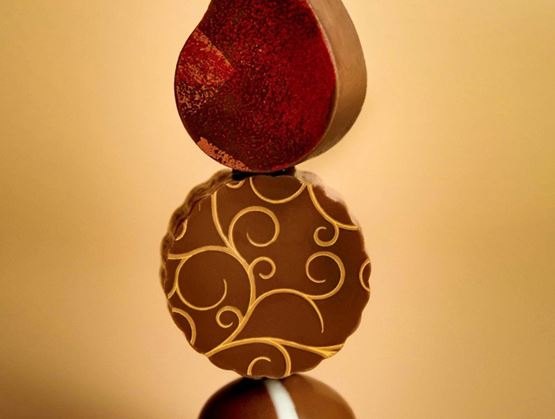
Chocolate sculptors, for instance, transform raw ingredients into intricate works of art, often showcased at international competitions and exhibitions. Their creations, ranging from life-sized figures to abstract installations, demonstrate the technical precision and creative vision required to elevate food into a sculptural medium.
Food stylists and set designers have also become essential players, particularly in advertising, media and digital content production. Their role is to craft visually compelling scenes that highlight products in their most appealing form. Lighting, composition and texture are carefully controlled to create images that resonate with audiences.
Another striking example is the revival of trompe l’oeil techniques, where dishes are designed to resemble entirely different objects. Desserts shaped like fruit, savoury dishes mimicking everyday items or hyper-realistic replicas challenge perceptions and create moments of surprise. These creations blur the line between illusion and reality, turning meals into immersive experiences.
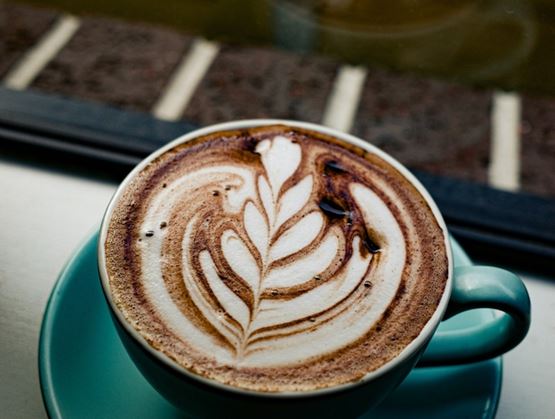
The rise of aesthetic beverages further illustrates this trend. Layered coffees, colour-changing drinks and elaborately garnished cocktails are designed to captivate visually before delivering flavour. In many cases, their popularity is driven as much by their appearance as by their taste.
Between creativity and commercial value
The growing role of food artistry is not only cultural but also economic. Visual appeal has become a lever for differentiation in highly competitive markets. Products that stand out visually are more likely to be shared, photographed and remembered, amplifying their reach without traditional advertising.
This dynamic is particularly relevant for younger consumers. Generation Z and Millennials tend to prioritise experiences that can be documented and shared. Food, as a daily and accessible medium, lends itself naturally to this behaviour.
At the same time, the emphasis on aesthetics raises questions about balance. While visually striking products can attract attention, they must still meet expectations in terms of taste, quality and nutritional value. The challenge for brands is to integrate visual innovation without compromising substance.
Digital influence is shaping food choices, with trends spreading rapidly across platforms and influencing purchasing decisions. This creates both opportunities and risks, as the lifecycle of trends can be short and highly volatile.
A new creative landscape for the food innovation exhibition
The rise of food artistry reflects a broader transformation in the way food is conceived, produced and experienced. It brings together disciplines that were once separate, from culinary arts to design, photography and digital storytelling.
For industry professionals, this convergence opens new avenues for innovation. It encourages collaboration between chefs, artists, designers and technologists, leading to formats that are both sensory and visual. From immersive dining experiences to visually driven product launches, creativity is becoming a central component of value creation.
This evolution is also visible in international gatherings such as Sial Paris, where exhibitors and experts explore how aesthetics, innovation and consumer behaviour intersect. The event highlights how the boundaries of the food sector continue to expand, embracing new forms of expression and new professional identities.
On World Art Day, the growing presence of food artists offers a reminder that eating is no longer confined to the plate. It is an experience shaped by vision as much as flavour, where creativity transforms everyday products into objects of fascination and meaning.
Images credits: Chihn le Duc, Birlean Alexandra, Celine Druguet Unsplash
Panchanok Juntanarach - Unsplash