
FOIE GRAS OU FAUX GRAS: A FESTIVE SHIFT IN FRENCH GASTRONOMY

Foie gras is a traditional French delicacy made from the fatty liver of a duck or goose. It is produced through a process called gavage, where the birds are fed to enlarge the liver, creating its signature rich, buttery, and delicate texture. This French tradition has also travelled far beyond national borders. Some producers, such as Hudson Valley Foie Gras in Ferndale, New York, are emphasising more attentive farming practices, keeping ducks cage-free and relying on trained caretakers to reduce stress and support animal welfare.
However, ethical considerations, environmental concerns and culinary innovation are creating new opportunities for a fast-growing category: “faux gras”, a selection of plant-based or alternative products inspired by the taste and texture of foie gras.
At the same time, culinary innovation is expanding rapidly, with chefs including Michelin-starred celebrity chef Alexis Gauthier developing refined vegan foie gras recipes that challenge long-held assumptions about what festive gastronomy can be.
According to recent national surveys, more than six in ten French citizens now say they support banning the practice of force-feeding ducks and geese, the method behind traditional foie gras production. Meanwhile, 40 % report avoiding foie gras for ethical reasons. Whether these changes reflect a generational shift, evolving culinary values or growing exposure to plant-based cuisine, the market for alternatives is accelerating quickly, and food professionals attending SIAL trade shows are watching closely.
A fast-growing category shaped by consumer expectations
The rise of faux gras is not simply a story of substitution. It reflects deeper food-system transformations: increasing demand for plant-based options, clean-label preferences, and the search for festive dishes that align with personal values. These products occupy a unique space between tradition and innovation, redefining what celebratory gastronomy can look like in the 21st century.
From mainstream supermarkets to organic shops and e-commerce platforms, faux gras recipes and products are becoming increasingly visible. Their formulas vary, from mushrooms, nuts, and legumes, to vegetable oils and spices, but their culinary ambition remains the same: to deliver festive richness without animal-based ingredients.
Supermarket alternatives: convenient, accessible, evolving
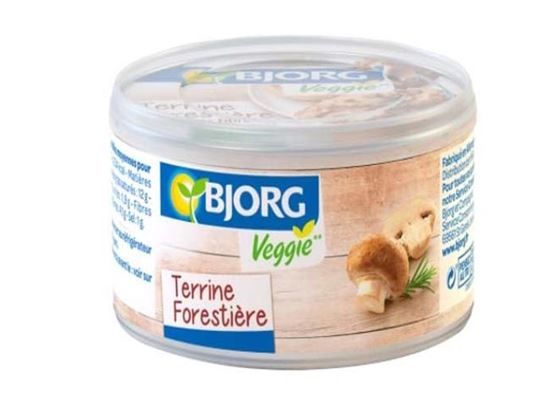
In conventional retail, several products have gained strong visibility due to accessibility and ease of use. Bjorg’s mushroom-based terrine forestière, while not aiming to replicate foie gras exactly, is highlighted for its practicality and savoury notes. It serves as an entry-level option for consumers testing plant-based festive spreads for the first time.
Auchan stocks Sans foie ni oie from Délis’ Veggie, a product positioned explicitly as a foie gras alternative, while Picard offers its Délice végétal, a frozen cashew and mushroom-based vegan foie gras option that fits within the brand’s festive collection. These references show how mainstream retailers are embracing flexitarian demand, proof that the category is no longer niche.
Monoprix has also introduced products from Aberyne, including Foi Green Original and Foi Green à la truffe, two versions inspired by traditional festive flavours but designed for plant-based consumers seeking gourmet profiles.
Organic stores and specialty shops: where innovation multiplies
Specialty retailers and organic grocery stores have become a hotbed for faux-gras experimentation. Here, the variety is significantly richer, with manufacturers diversifying formats, ingredients and seasonal variations.
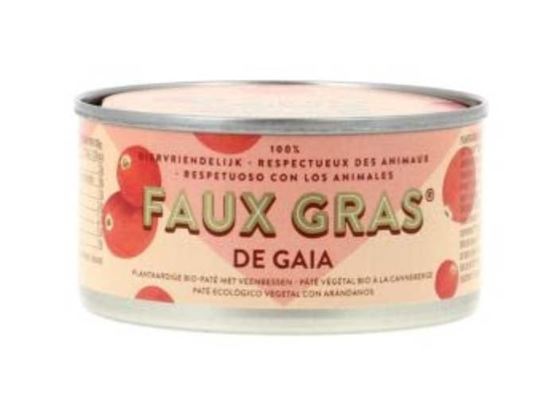
Tartex markets Wouah Gras, a lighter, mousse-like spread with a strong vegetal identity, while Senfas offers two versions of Veg’Gras, original and truffle. These products often appeal to consumers seeking clean-label recipes with organic ingredients.
The Atelier V has developed Une Nouvelle Foie, a fresh refrigerated product made with plant-based ingredients but crafted to reproduce the richness and sliceability of foie gras. It stands out as one of the closest textural alternatives.
Online platforms: the rise of artisanal and premium faux gras
A question of culture, values and innovation
While foie gras remains a strong symbol of French gastronomy, the rise of alternatives reveals a shift in how consumers navigate festive traditions. The question is no longer simply “foie gras or nothing?” but “how do we rethink festive foods in a way that aligns with today’s values?”
For SIAL, which showcases global food innovation, faux gras represents a broader movement: the expansion of plant-based gourmet categories. Whether through ethical considerations, sustainability concerns or creative gastronomy, alternatives are carving out a recognized place in festive food culture.
Implications for the food industry
Several dynamics matter for manufacturers, retailers and brands. Plant-based gastronomy is moving into premium territory, demonstrating that vegan products are no longer confined to everyday staples but can now compete in festive, high-emotion categories. Ethical concerns are also translating into concrete market behaviour, with survey data showing that animal-welfare considerations increasingly shape purchasing choices. At the same time, innovation is rapidly fragmenting the category: from artisanal luxury to mainstream convenience, faux gras now exists across all price points and formats. This diversification is also visible in product design, as consumers look for spreads, sliceable versions, pan-ready options and spiced variations. As a result, the market is evolving beyond a simple opposition between tradition and alternatives, with many consumers choosing both foie gras and faux gras depending on the occasion.
A festive future with more choice than ever
Whether consumers choose tradition, alternatives or both, the growing presence of faux gras expands culinary possibilities. For industry professionals observing trends through SIAL, the rise of faux gras is a case study in how innovation responds to cultural debate, ethical expectation and changing festive rituals. As food systems evolve, festive cuisine is becoming richer, more diverse and more inclusive, offering room at the table for every palate.