
A VIETNAMESE CLASSIC WITH PARIS IN ITS CRUST

SIAL OFF extends the experience of SIAL Paris beyond Paris Nord Villepinte and into the city itself. Designed for visitors and exhibitors, it offers another way to explore Paris through restaurants, bars, food shops and cultural addresses where food is not only consumed, but discovered. It connects the professional energy of the major food industry trade show with the more informal atmosphere of neighbourhood eating.
Within that spirit, recipes shared by members of the SIAL Paris team act like edible postcards. They bring personal stories, family habits and global inspirations into the wider conversation around food culture. Jennifer’s banh mi, made with char siu pork, pickled carrot, cucumber, coriander, Vietnamese pork pâté and a few drops of Maggi, captures the journey of a dish that has crossed borders without losing its street-food soul.
A sandwich born from collision and creativity
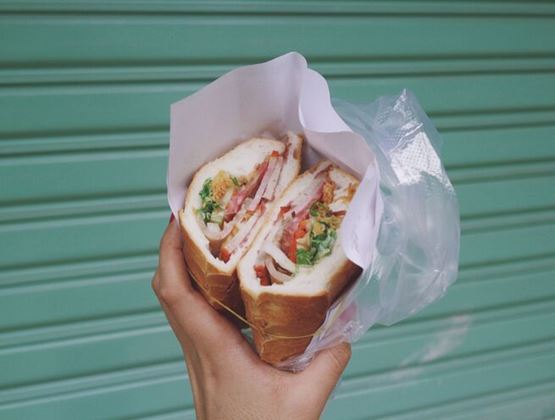
Banh mi is often described as a Vietnamese sandwich, but the definition hides a layered history. The word “bánh mì” means bread in Vietnamese. Today, outside Vietnam, it usually refers to the filled baguette-style sandwich that has become one of the country’s best-known culinary exports. The Oxford English Dictionary defines banh mi as a baguette sandwich traditionally baked with a combination of rice and wheat flour and filled with varied ingredients.
Its origins are tied to French colonial rule in Vietnam. The baguette, pâté, butter and other French staples arrived during the 19th century, but they did not remain French for long. Vietnamese bakers and street vendors adapted bread to local climates, ingredients and appetites. The result was lighter, airier and often crisper than a classic French baguette, easier to split open and fill.
The genius of banh mi lies in this transformation. Colonial bread became local street food. Imported pâté met pickled vegetables. Mayonnaise sat beside coriander, chilli and cucumber. Salt, fat, acidity, heat and crunch were packed into one hand-held format. It was not fusion for effect, but adaptation born from daily life: practical, portable and full of contrast.
The architecture of contrast
A good banh mi is built like a piece of edible engineering. The bread must crackle but not collapse. The filling must be rich, but not heavy. Pickles cut through fat. Herbs lift the meat. Chilli adds heat. Cucumber cools everything down. Maggi brings a savoury depth that lands somewhere between seasoning and memory.
Jennifer’s version uses char siu pork, another sign of the sandwich’s openness to influence. Char siu is commonly associated with Cantonese-style barbecued pork, sweet, aromatic and lacquered. In this recipe, soy sauce, honey, sugar, garlic and five-spice give the pork its caramelised shine. It sits comfortably inside the banh mi structure because the sandwich has always been porous. It can hold roast pork, chicken, tofu, egg, meatballs, sardines or whatever a vendor, cook or family happens to make well.
That adaptability explains part of its global success. Banh mi is precise enough to be recognisable, but flexible enough to travel. It can be sold from a street cart, bakery, restaurant counter, food truck or premium casual concept. For the food sector, it is a reminder that some of the world’s most durable formats are built through controlled improvisation.
From Vietnam to the world
Banh mi’s international journey accelerated with the Vietnamese diaspora after 1975. Communities settling in France, the United States, Australia and elsewhere opened bakeries, cafés and restaurants that carried the sandwich into new urban landscapes. In California, Texas, Paris, Melbourne and London, banh mi became both a marker of Vietnamese identity and an easy point of entry for wider audiences.
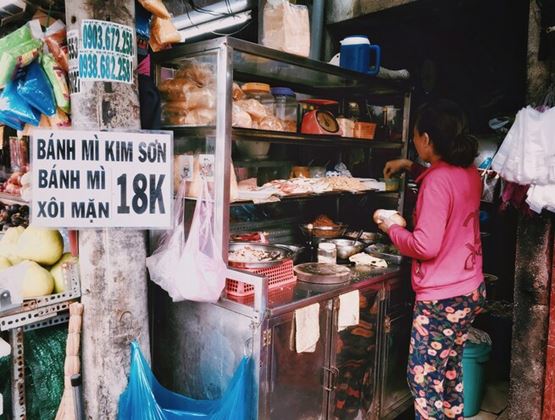
Its popularity has also grown because it fits contemporary eating habits unusually well. It is portable, fast, fresh, customisable and often affordable. It offers the satisfaction of a sandwich with the brightness of a salad and the depth of a cooked dish. In an era of hybrid food formats and global snacking, banh mi feels almost designed for modern city life, even though its roots reach far deeper.
Recent media attention suggests the sandwich continues to gain cultural visibility. In 2025, Reuters described banh mi as one of the clearest everyday examples of French culinary influence adapted into Vietnamese life, noting that baguette-shaped bread is now used for one of Vietnam’s most common fast-food options. In Paris, Le Monde has also highlighted banh mi addresses across the capital, presenting the sandwich as a lively alternative to the jambon-beurre and a sign of the city’s multicultural appetite.
For SIAL Paris visitors and exhibitors who want to try banh mi while in the capital, Thieng Heng at 50 Avenue d’Ivry, 75013 Paris, offers a fitting stop in one of Paris’s best-known Asian food districts, where Chinese, Vietnamese, Cambodian and Laotian communities have helped shape the area’s shops, bakeries and restaurants.
For those wanting to make banh mi at home, here is Jennifer’s recipe:
Jennifer’s char siu pork banh mi
Ingredients
For the char siu pork:
- 300 g pork, preferably shoulder or tenderloin
- 2 tablespoons soy sauce
- 1 tablespoon honey
- 1 tablespoon sugar
- 1 garlic clove, crushed
- 1 teaspoon five-spice powder
For the pickles:
- 1 carrot
- 3 tablespoons vinegar
- 2 tablespoons sugar
- A pinch of salt
For the sandwich:
- 2 baguettes
- Vietnamese pork pâté
- 1 cucumber
- Fresh coriander
- Chilli or Sriracha, optional
- Mayonnaise
- Maggi seasoning sauce
Instructions
Cut the pork into strips. Mix the soy sauce, honey, sugar, crushed garlic and five-spice powder in a bowl, then add the pork and coat well. Leave to marinate for at least two hours, ideally overnight.
Cook the pork in a frying pan or in the oven at 180°C for around 25 minutes, brushing it regularly with the marinade until it becomes caramelised, glossy and deeply coloured.
Grate the carrot, then mix it with the vinegar, sugar and salt. Leave it to pickle for 10 to 15 minutes, then drain.
Slice the Vietnamese pork pâté into thin strips. Slice the cucumber.
Open the baguettes and spread them with mayonnaise. Add the hot char siu pork, sliced pork pâté, drained carrot pickles, cucumber, coriander, chilli or Sriracha if using, and a few drops of Maggi sauce.
Serve immediately, while the pork is still warm and the baguette is crisp.
Image credits:
Hana Joi - Pexels
Van Thanh - Unsplash