
RESILIENT CROPS DRIVING SUSTAINABLE FOOD INNOVATION
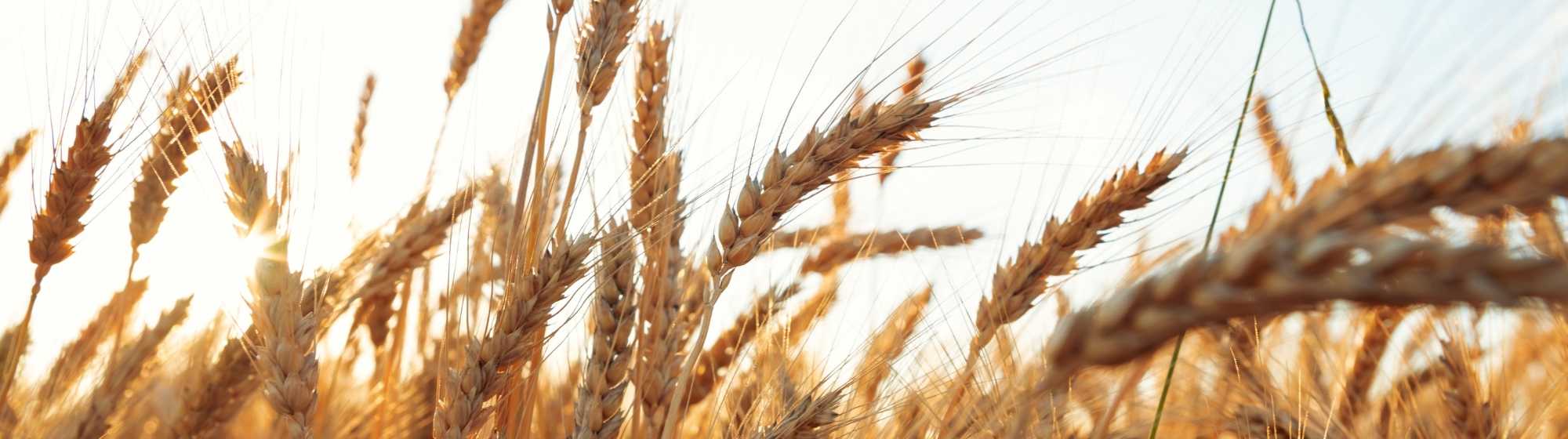
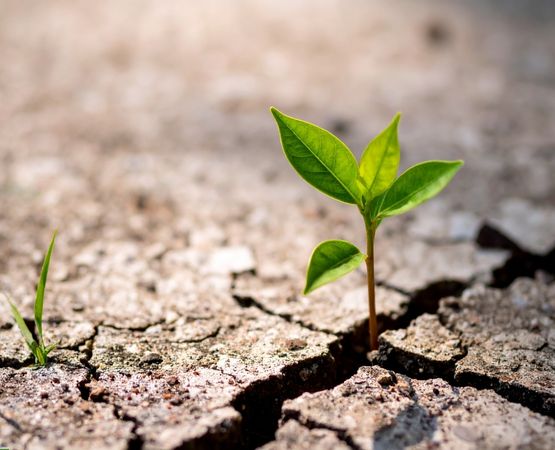
Why climate-resilient crops matter for food security?
More frequent extreme weather events are threatening agricultural productivity and global food security.
As temperatures continue to rise in France, the food system will need to adapt to increasingly challenging growing conditions. These changes threaten the viability of conventional crops such as wheat and maize.
In response, promoting naturally resilient crops is becoming a priority. Often rooted in traditional agricultural practices, these species can maintain stable yields despite limited water availability and extreme temperatures.
Climate-smart crops and agroecological practices are becoming essential tools for building resilient food systems.
Nutritional benefits of climate-resilient crops
As well as being gluten-free, these crops form the foundation of food sovereignty and offer a practical solution to water and heat stress.
Sorghum
Fonio
Millet
Amaranth
Quinoa
Hemp
Cowpea
The growing market for climate-resilient crops
Demand for climate-resilient crops continues to grow. Consumers are looking for more nutritious and sustainable food options.
Millet is a prime example of this trend. Analysts project the global millet market to reach USD 42.27 billion in 2025. It could grow to USD 73.25 billion by 2034, with a CAGR of 6.3%.
Quinoa, often referred to as “yellow gold”, is following a similar trajectory. The quinoa market could grow from USD 1.56 billion in 2026 to USD 2.52 billion by 2031.
France is Europe's largest quinoa market. It represented nearly 44.6% of the region's market share in 2025.
Amaranth is one of the fastest-growing climate-resilient crops. The amaranth market could exceed USD 50 billion by 2034 and grow at a CAGR of 18.31%.
Industrial hemp is following an even steeper growth trajectory. France currently accounts for more than 70% of European hemp production.
The global hemp market could grow from USD 13.86 billion in 2026 to USD 71.53 billion by 2034. This represents a CAGR of 22.77%.
Sorghum is also experiencing steady growth. The sorghum market could grow from USD 11.80 billion in 2022 to around USD 16 billion by 2030.
The rapid growth of these markets reflects increasing interest in resilient crops and their role in shaping the future of food.
 Sorghum flour - Ma vie sans gluten
 Hemp snack bar - Roo'Bar
 Puffed sorghum chips - Vieille graine
 Organic puffed amaranth - Koro
Key figures on the market for climate-resilient crops
Food innovation: how brands are using resilient crops
The agri-food industry is redoubling its creativity to incorporate these functional ingredients into everyday products, focusing on ‘clean label’ and health benefits.
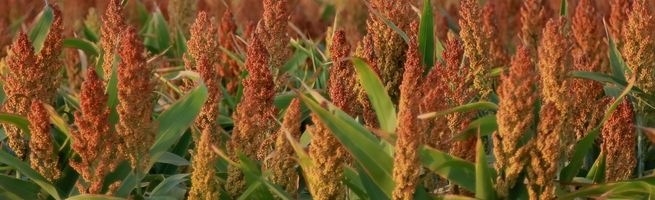
Sorghum and millet in food innovation: Vieille Graine uses resilient crops in a variety of food products. These include sorghum pasta, puffed snacks, and millet flour.
These products highlight the growing role of resilient grains in sustainable food innovation. In Occitanie, the company ORI Sorgho Smartfood specialises in organic, gluten-free processed products made from French sorghum. Meanwhile, the Huilerie de l’Orme Creux in Île-de-France processes sorghum into flour and biscuits, amongst other things.
Amaranth and quinoa, breakfast favourites: The KoRo brand offers amaranth and quinoa in their whole or puffed forms. Saldac supports fair-trade supply chains with flours, flakes and even traditional amaranth sweets.
Hemp, a versatile superfood: Hemp-based foods are becoming increasingly popular in sustainable nutrition. KoRo offers pure hemp seed purée, while Roo' Bar uses hemp flour in its protein-rich snack bars.
Plant-based alternatives and beverages: Millet is gaining popularity in plant-based drinks. Brands such as Day by Day and Lima already offer millet-based products.
Brands including Mill & Folks are also developing 100% millet, gluten-free pasta, highlighting the growing demand for alternative grains. Cowpea is gaining traction as well. Companies such as Exotique Pro process it into flour for traditional recipes and plant-based protein alternatives.
These products demonstrate that climate resilience and great food can go hand in hand. They also support the growing demand for healthier and more sustainable diets.


 Assorted sorghum biscuits in different flavors
 Hemp-based plant spread - Koro
 Puffed quinoa - Koro
Resilient crops and the future of sustainable food systems
Climate-resilient ingredients are no longer niche alternatives. They are becoming an essential solution for tackling climate change and improving food security.
By combining traditional knowledge with modern agricultural innovation, these crops can support productive farming while reducing pressure on natural resources.
Their rapid market growth reflects this shift. Hemp, amaranth, sorghum, and millet are no longer niche crops. They are becoming important drivers of sustainable agriculture and food innovation.
Food manufacturers and retailers can help drive adoption by promoting both the nutritional and environmental benefits of these ingredients. Resilient crops can help protect biodiversity, improve soil health, and strengthen food security.
Bringing crops such as fonio, millet, and sorghum into everyday diets supports a more resilient food system. It also helps build a future that benefits both people and the planet.
-
What are climate-resilient crops?Climate-resilient crops can withstand drought, heat, and poor soil conditions while maintaining stable yields.
-
Which crops are most resilient to climate change?Sorghum, millet, fonio, quinoa, amaranth, hemp, and cowpea are among the most resilient crops for adapting to climate change.
-
Why are resilient crops important for food security?They reduce agricultural vulnerability to extreme weather events and help secure food supplies in a changing climate.
-
What are the health benefits of resilient crops?Many resilient crops are rich in protein, fibre, vitamins, minerals, and antioxidants, while some are naturally gluten-free.
-
How are food brands using climate-resilient crops?Food companies are incorporating resilient crops into snacks, cereals, plant-based products, beverages, pasta, and alternative proteins.