
TURNING UP THE TEMPERATURE ON SPICY FOOD

Measuring the burn, from science to sensation
Attempts to quantify heat led to the creation of the Scoville heat scale in the early twentieth century. Originally based on human taste tests and now measured scientifically, the scale ranks chillies according to their capsaicin concentration. A sweet bell pepper sits at zero, while a Scotch bonnet or habanero can exceed 300,000 Scoville heat units. Ghost peppers and Carolina Reapers push far beyond that, entering territory where spice becomes an endurance test rather than a flavour note.
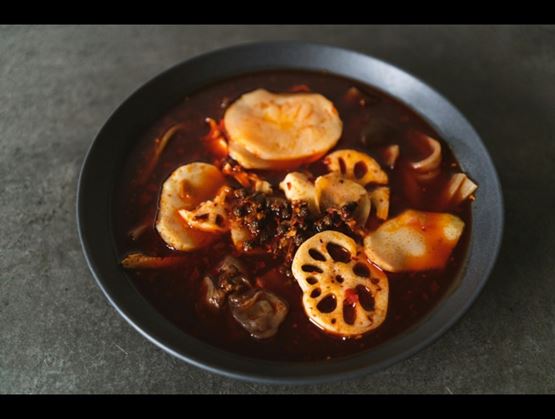
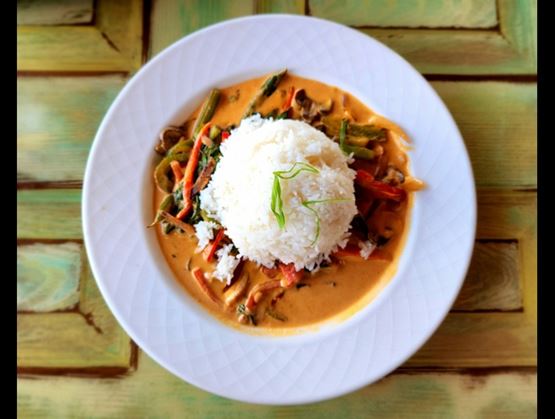
However, the experience of spice is shaped by context as much as chemistry. Fatty ingredients can soften the burn, acidity can sharpen it, and temperature can intensify it. This is why a bowl of Sichuan hot pot, with its bubbling broth saturated in chilli oil and peppercorns, feels different from the dry, direct punch of a Southern Thai curry such as kua kling. In the British-born phaal curry, developed in Indian restaurants in the UK, extreme chillies are layered with little to cushion the impact, creating a reputation for near-mythical intensity.
Condiments that carry cultures
For many consumers, spice enters the diet through condiments rather than full dishes. Hot sauce has become a global staple, ranging from fermented chilli blends to vinegar-sharp table sauces.
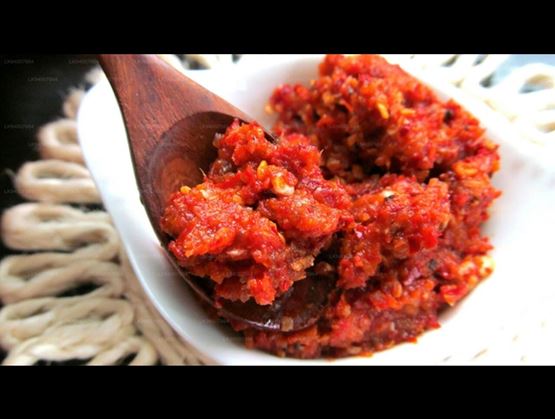
In North Africa, harissa combines chillies with garlic, spices and olive oil, delivering warmth with depth. Across Indonesia and Malaysia, sambal exists in countless variations, sometimes cooked, sometimes raw, always expressive of local ingredients and preferences.
Dishes that define fiery traditions
Around the world, iconic spicy dishes continue to anchor local food cultures. In Goa, vindaloo relies on dried red chillies, garlic and vinegar, producing a sharp, lingering heat that intensifies over time. In Jamaica, jerk chicken uses Scotch bonnet chillies alongside allspice and smoke, creating warmth that builds gradually and deeply. In north-east India, naga pork curry showcases the formidable ghost pepper, delivering smoky intensity that is inseparable from regional identity.
Today, the growing demand for spicy food reflects wider shifts in globalisation and consumer behaviour. As international cuisines circulate more freely and travel, migration and digital culture influence eating habits, consumers are increasingly comfortable with bolder levels of heat. From condiments to ready-to-eat products, spice has moved from niche to mainstream, driven by curiosity and openness to global flavours. At SIAL Paris, these dynamics will be reflected in the diversity of products and concepts responding to a globalised palate.
As an international food expo and food innovation exhibition, the show highlights how ingredients, condiments and ready-to-eat products inspired by heat are shaping menus and retail shelves worldwide. From artisanal sauces to bold frozen meals, spice continues to drive creativity across categories. For visitors and exhibitors alike, it is a reminder that sometimes the best way to face the cold is to turn up the fire.
Image credits: Thomas M. Evans - Unsplash, Zoshua Colah - Unsplash, Kalindu Warang - Unsplash, Markus Winkler - Pexels, Frankie Lopez - Unsplash