
FRANCE’S CHANDELEUR: A DELICIOUS HOLIDAY OF FRENCH CRÊPES

Each winter, as France moves gently through the quieter weeks of the season after Christmas, a familiar ritual returns to kitchens across the city. Batter is whisked, pans are warmed, and the first crepes are prepared, with the first one in the batch rarely being perfect. This small imperfection is part of the tradition. French Crepe Day, known throughout the country as La Chandeleur, is less about precision than it is about repetition, comfort and shared pleasure. The act of making sweet crepes is intimate and collective at once, rooted in habit and tradition.
This balance between everyday simplicity and cultural depth is exactly what SIAL Off has long celebrated. Conceived as the cultural companion to SIAL Paris, SIAL Off invites visitors to experience the city through flavour, craftsmanship and creativity. Its curated selection of restaurants, bakeries, bars and food experiences has always offered a different rhythm to the trade show floor. For 2026, however, SIAL Off has opened a new chapter. Alongside the food exhibition’s recommendations for local spots, it has introduced an original collective recipe project created by the SIAL Paris team themselves. These are personal recipes, anchored in real life rather than demonstration kitchens. Margaux’s contribution, a reliable and generous french crepe recipe, captures the spirit of La Chandeleur perfectly.
What is La Chandeleur and why it endures
To understand the cultural importance of crepes, it helps to begin with what La Chandeleur is and why La Chandeleur is celebrated. Observed each year on 2 February, the La Chandeleur holiday originates from Candlemas, a Christian feast marking the presentation of Jesus at the temple. Over time, religious meaning blended with older agricultural traditions associated with light, renewal and prosperity. The crepe, round and golden, became a symbol of abundance and good fortune.
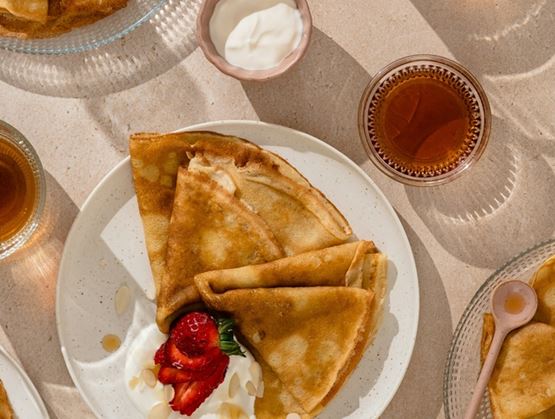
In modern day France, these origins are often secondary to the ritual itself. Families, colleagues and friends gather to make crepes at home, sometimes following the playful superstition of flipping a crepe while holding a coin in their left hand for luck. According to figures frequently cited by the food sector, around 90% of French people eat crepes, with a significant amount consumed around La Chandeleur, when the majority of households prepare them at least once.
This enduring habit offers a telling insight into food culture. Even as the calendar fills with debates around innovation, sustainability and transformation, moments like French Crepe Day remind professionals that food remains deeply emotional. Tradition is not static, but it is persistent, and crepes are one of its most resilient expressions.
Crepes and pancakes: similar ingredients, different identities
Outside France, crepes are often confused with pancakes, yet the distinction is central to understanding them. The relationship between crepes and pancake traditions highlights how technique defines identity. Pancakes, particularly in British and North American cultures, are thicker, often leavened and cooked slowly to produce a soft, fluffy texture. A crepe, by contrast, is thin, flexible and cooked quickly from a smooth batter.
A clear crepe definition would describe it as a thin pancake made from flour, eggs and liquid, spread evenly in a hot pan and cooked without a raising agent. Understanding crepes also means understanding technique. Making crepes is less about strength than finesse. The batter must be fluid, the heat controlled, and the movement instinctive. A dedicated crepe pan helps achieve even cooking, but experience plays an equally important role.
This is why so many people search for a simple crepe recipe that delivers consistency without unnecessary complication. Margaux’s crepe batter recipe focuses on balance and texture, offering a crepe recipe easy enough for first-time cooks while remaining faithful to tradition. Her twist? She replaces traditional cow’s milk with oat milk.
From sugar to crepes suzette
Part of the enduring appeal of sweet crepes lies in their adaptability. At their simplest, they are eaten warm with sugar, sometimes with a squeeze of fresh lemon, a combination that remains one of the most popular in France.
From there, the range of toppings expands effortlessly. Chocolate, Nutella, salted caramel sauce, chestnut jam, fresh fruit, ice cream, and whipped cream all create different moments of indulgence, from at home childhood comfort to café culture.
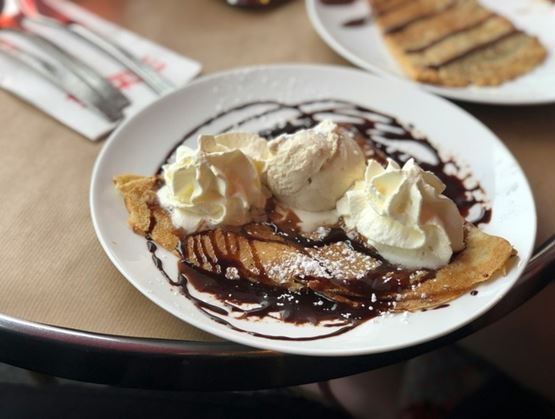
At the more elaborate end of the spectrum sits the iconic crepes suzette, flambéed with butter, sugar, orange juice and liqueur. Created in the late nineteenth century, the dish transforms a familiar base into a theatrical dessert, yet it relies on exactly the same foundations as a home-made crepe. Whether modest or refined, crepes adapt to context, season and mood with remarkable ease.
This versatility mirrors the broader ambitions of SIAL Off as it evolves alongside the food innovation industry trade show and conversations at SIAL Paris. While food industry sectors continue to innovate, SIAL Off keeps one foot firmly in lived experience. It reminds visitors that innovation begins with habits, gestures and tastes repeated in kitchens and cafés every day. This dialogue between tradition and innovation becomes increasingly relevant. Crepes, in their simplicity, illustrate how deeply rooted practices continue to inform the future of the food sector.
As part of SIAL Off, the SIAL Paris team is sharing their personal recipes. Today, Margaux shares her recipe for French crepes.
Margaux’s delicious foolproof crepes recipe
Ingredients for around 15 crepes
300 g flour
1 packet of vanilla sugar
1 tablespoon neutral vegetable oil
50 g salted butter
1 vanilla pod
3 eggs
600 ml oat milk
How to make crepes
Step 1
Place the flour in a mixing bowl and make a well in the centre.
Step 2
Add the whole eggs, sugar, oil and melted butter.
Step 3
Whisk gently, gradually adding the milk (to avoid lumps, use a whisk or electric beater). The batter should be slightly thicker than liquid cream.
Step 4
Split the vanilla pod lengthways and add the seeds to the batter.
Step 5
Heat a non-stick crepe pan and lightly oil it using kitchen paper. Pour in a ladle of batter, spread it evenly, cook until set on one side, then flip. Cook all the crepes over low to medium heat. Serve and enjoy.
For those exploring Paris through flavour, some of the best crepes in the city can be enjoyed at Crêperie Beaubourg and Breizh Café, perfect stops within the spirit of SIAL Off.
Image credits:
Austin P - Unsplash
Svitlana - Unsplash