
2026 Food Trends Shaping the Global Culinary Landscape

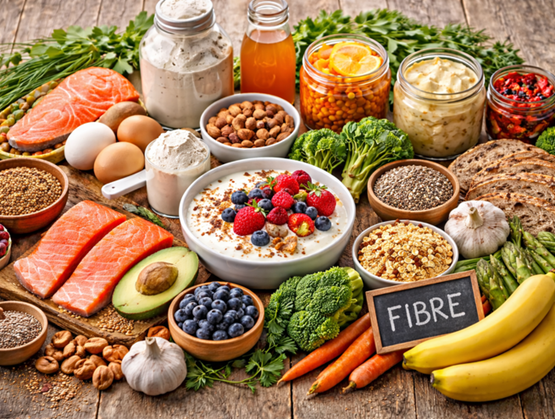
In parallel, fibre rich foods are positioned for strong growth. Reports emphasise the increasing visibility of ingredients such as whole grains, legumes, fibre enhanced breads and vegetable centric dishes that support digestive health and general wellbeing. Many chefs and product developers are exploring ways to integrate fibre without compromising enjoyment, responding to what EatingWell describes as a rising appetite for food that actively contributes to physical comfort and long term wellness.
Convenience likewise continues to hold a central place in modern food culture. Rotisserie chicken, already a fixture in French households, is undergoing a renaissance internationally as a cornerstone of efficient meal preparation. Online creators demonstrate how a single pre-cooked chicken can anchor a week of varied dishes, from soups and tacos to pasta bakes and mixed grain bowls. Its naturally high protein content and adaptable flavour make it particularly well suited to the current desire for nutritious, low effort solutions. The resurgence of rotisserie chicken reflects a wider movement toward practical home cooking that aligns with health goals without demanding elaborate techniques or long preparation time.

Trending flavours and everyday sensations
Flavour exploration is a major theme in 2026, driven in part by social media trends that cross borders with remarkable speed. One of the most surprising movements this year is the rise of pickle inspired flavours. What began as a niche taste associated with brined cucumbers has now expanded into a wide array of products, including snack coatings, sauces, seasoning mixes and even cocktail garnishes.
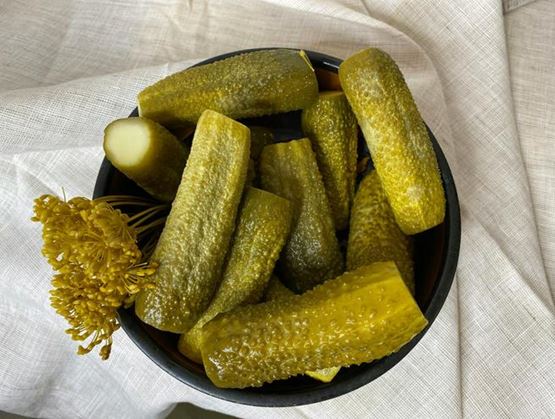
Food creators frequently describe pickled and pickle flavoured options as refreshing, energising and capable of cutting through rich or creamy dishes. The trend also aligns with the ongoing fascination with fermentation, a technique increasingly valued for both its flavour complexity and its perceived digestive benefits.
Globalisation continues to shape food preferences as well, particularly through the influence of Korean culture. K pop, Korean cinema and streaming platforms have dramatically increased awareness of Korean culinary traditions, turning home dishes into international sensations. Tteokbokki, a street food made from small sized garae tteok, has become a cult favourite for its combination of soft, chewy texture and bright, spicy sauce. Many creators highlight its comfort, affordability and versatility, with versions now appearing in fusion dishes around the world. The momentum surrounding gochujang, kimchi, Korean fried chicken and barbeque reflects a broader appreciation of bold flavours and intricate seasoning profiles that define contemporary Korean cuisine.
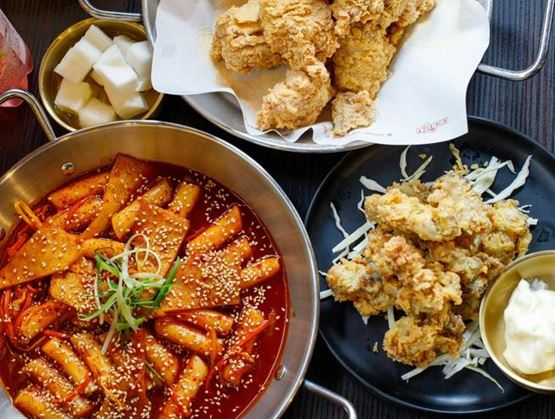
This embrace of Korean food marks a wider movement toward authentic international flavours, with consumers increasingly comfortable exploring dishes rooted deeply in place and tradition. According to global market insights, younger audiences in particular are driving this curiosity, often discovering recipes after watching them prepared in films, series or music related content. As a result, supermarkets across Europe and North America have expanded their international aisles, while restaurants experiment more confidently with cross cultural pairings.
Beyond the plate: Culture, Sustainability and Connection
While taste and nutrition trends remain important, the underlying cultural dynamics of food continue to evolve. Mintel’s 2026 Global Food and Drink Predictions suggest that the year will be shaped by themes such as sensory experimentation, emotional connection and the desire to draw meaning from everyday meals. Consumers are increasingly seeking foods that resonate with their personal identity or cultural curiosity, whether through nostalgic flavours, artisanal craftsmanship or dishes discovered through travel and media.
Sustainability also remains at the forefront of industry innovation. Many brands are refining their supply chains, reducing packaging waste and highlighting regenerative practices. This push for responsibility does not diminish the focus on pleasure. Instead, it invites producers to create offerings that combine environmental care with sensory richness and creativity. From heritage vegetables to responsible poultry sourcing and the reimagining of classic plant based staples, 2026 promises a balance between ecological awareness and culinary excitement.
As anticipation builds for the next edition of SIAL Paris in October, the global food community is preparing for a year filled with transformation and innovation! New flavours, revived classics, international sensations and health centred priorities will shape the products and conversations that define the coming months. Until the doors open at Paris Nord Villepinte, food lovers can look forward to a vibrant calendar of discoveries that reflect the dynamism and diversity of the global food sector.
Image credits: Boliviainteligente - Unsplash Ann H - Pexels Jeremy Li - Pexels Марта Тюзова - Pexels