WHERE TECHNOLOGY MEETS TASTE: FOOD PROCESSING AT SIAL PARIS 2026

Food processing has become one of the fastest-moving pillars of the global food ecosystem, shaped by shifting consumption habits, investment in automation and rising expectations for safety and sustainability. Analysts note that worldwide demand for processed products continues to grow steadily as consumers seek convenience, nutritional transparency and added value in everyday meals. According to Future Market Insights, the global food processing equipment market is projected to surpass USD 79 billion (around €72.7 billion) by 2033, driven by the rising cost of labour, stricter hygiene standards and the adoption of advanced machinery in both mature and emerging markets. These developments place processing at the core of the transformation unfolding across the food industry sectors, touching everything from bakery and beverages to frozen goods, ready-to-eat meals and plant-based alternatives.
At SIAL Paris 2026, the food processing segment will serve as both a technical showcase and a strategic compass for buyers and visitors who are seeking concrete solutions to modern production challenges. The show’s positioning as an international food industry exhibition allows participants to compare equipment, evaluate processing techniques and understand how these investments shape the competitive landscape. For exhibitors, it is a stage to present technological capabilities. For buyers, it is an opportunity to benchmark suppliers and anticipate market shifts that will influence their next purchasing cycle.
Technologies reshaping the global food processing landscape
Recent studies reveal that innovation in the processing space is increasingly driven by automation, robotics and digital control systems, which together reduce waste, improve accuracy and strengthen supply chain resilience. A report from Global Market Statistics notes that the global food processing market is expanding at a steady compound rate as manufacturers adopt energy-efficient equipment, advanced sterilisation methods and data-driven monitoring tools. These technologies help businesses reduce operational costs while meeting the stringent regulatory requirements imposed by international markets.
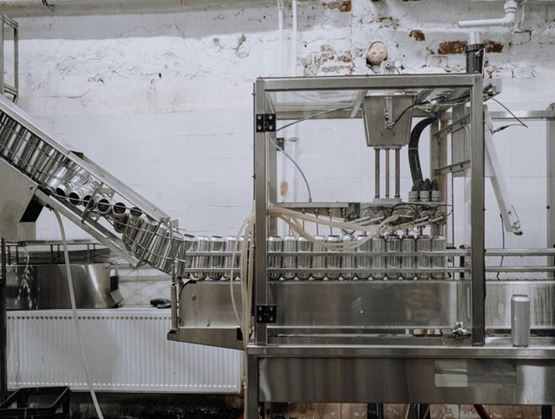
Automatic processing systems have become the most lucrative segment of the market, representing more than a third of global value in 2025. Automatic systems are now widely adopted to boost output, ensure consistent quality and optimise costs in high-volume production. Their influence continues to grow as manufacturers integrate robotics and AI, enabling real-time monitoring, predictive maintenance and advanced process control. These developments are reshaping industrial workflows and reinforcing automation as a defining force in the food processing landscape.
Within this context, SIAL Paris acts as a barometer for understanding the pace of change. Visitors can examine how processing technologies influence product texture, shelf life, safety, flavour and nutritional quality, which are now key decision-making factors for retailers and distributors. Cold-chain optimisation, continuous thermal processing, fermentation-based production and clean-label reformulation are gaining renewed attention as brands seek to respond to regulatory pressure and consumer expectations. For buyers, one of the major advantages of attending an international food expo is the ability to validate equipment performance in person, compare technical specifications and discuss integration with existing production lines. With automation accelerating across all regions, these conversations are becoming critical to long-term planning.
New consumer expectations reshaping processing priorities
Processing technologies are now deeply linked to evolving consumer preferences, particularly the desire for healthier, fresher and more sustainably produced foods. Studies highlight a global rise in demand for minimally processed options with shorter ingredient lists.
At the same time, categories such as innovative drinks, high-protein snacks and plant-forward products are expanding rapidly, placing new demands on production techniques. According to several market analyses, younger consumers tend to favour products that combine convenience with perceived authenticity, which has accelerated investment in small-batch processing and precision fermentation.
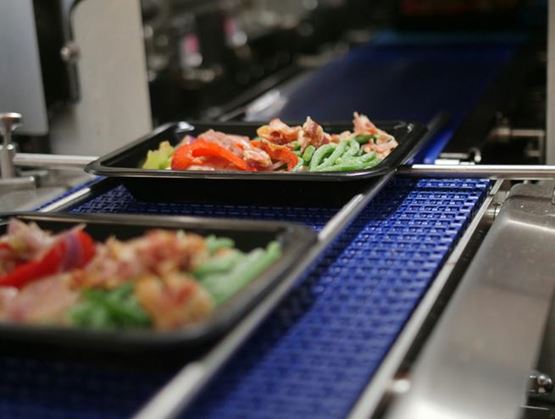
These shifts are tangible across the aisles of SIAL Paris, where exhibitors from the food processing industry demonstrate how new equipment supports cleaner formulations, faster changeovers and energy-efficient workflows. For grocery products exhibitors, the adoption of modern processing systems can directly influence product competitiveness, export readiness and compliance with international standards. Visitors can observe how machinery contributes to taste consistency, allergen management, packaging integrity and food safety, all of which shape buying decisions at retail and foodservice levels.
Knowledge transfer is central to this ecosystem. Conference sessions and demonstrations at the show will provide insights into how processing intersects with sustainability commitments, circular economy strategies and responsible sourcing. As brands face pressure to reduce water consumption and carbon footprints, the engineering choices made within processing lines are becoming an essential part of corporate responsibility narratives. SIAL Paris serves as a platform where this technical expertise meets strategic vision.
A sector defining the future of the food industry
Food processing is no longer a backstage activity. It is a driver of product development, supply chain resilience and brand differentiation. As automation becomes more accessible and global demand continues to diversify, processors are expected to take an even more prominent role in shaping the evolution of the food sector. Research suggests that companies able to integrate flexible production, data-monitoring systems and sustainable engineering solutions will be best positioned to navigate disruptions and capture emerging opportunities.
This reality is reflected at SIAL Paris, where the processing segment acts as an essential connector between product innovation and industrial capability. The show attracts buyers who want to understand how technological choices influence competitiveness and exhibitors who seek to demonstrate leadership in a rapidly evolving marketplace. As the food processing ecosystem becomes increasingly global, SIAL Paris offers a rare chance to experience new solutions at scale and to understand the future direction of the international food trade show landscape.
In 2026, this segment is set to play a decisive role once again. For visitors and buyers, it will offer a comprehensive view of the machinery, methods and innovations shaping tomorrow’s production lines. For exhibitors, it remains a powerful stage to present breakthroughs that will guide the next decade of global food innovation.
Image credits: Richard R - Unsplash, Cottonbro studio - Pexels