
The Enduring Winter Ritual of Raclette

World Raclette Day, celebrated every 13 December, began as a simple tribute to a pastoral meal and has gradually grown into a moment of global recognition for melted cheese culture. Raclette has travelled far beyond Swiss chalets and Savoyard inns, becoming a symbol of winter gatherings and a catalyst for new ideas in the dairy world. As interest in storytelling foods and regional craftsmanship rises, the dish stands as a reminder that technique, terroir and generosity can still shape modern tastes.
The ritual of raclette and its enduring appeal
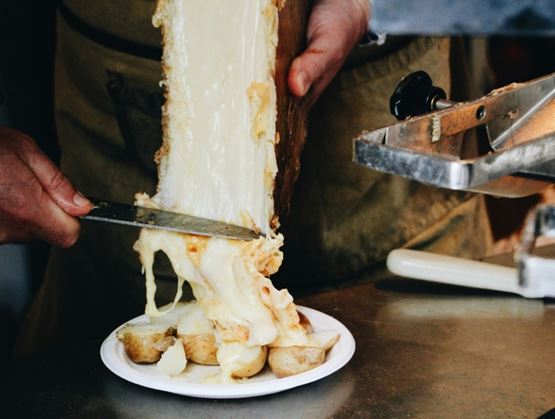
At its core, raclette remains disarmingly simple. A wheel or half-wheel of cheese is exposed to heat until it softens and bubbles, then scraped onto potatoes, cornichons, charcuterie or whatever companion ingredients the host provides. The name itself comes from the French verb “racler”, meaning to scrape, an action that sets the rhythm of the meal as each diner waits for their share of molten gold.
The cheese traditionally used, Raclette de Savoie or Valais Raclette AOP, is semi-firm, aromatic and designed to melt with a supple, even consistency. Producers such as those represented in the dairy products sector at SIAL Paris have worked to preserve the character of these cheeses while adapting to shifting consumer expectations. Some wheels now feature infusions of white wine, pepper, smoked aromas or alpine herbs, each lending a different accent to the dish. According to the Interprofession du Fromage Raclette, France alone produces more than 20,000 tonnes of raclette cheese annually, a number that rises steadily as winter approaches.
Raclette’s revival is partly linked to changing consumption patterns. Tabletop rituals have regained relevance, with people seeking convivial, unhurried meals that can accommodate groups. Raclette allows diners to customise each plate, appealing to those who prefer flexible formats over formal courses.
Machines, methods and new interpretations
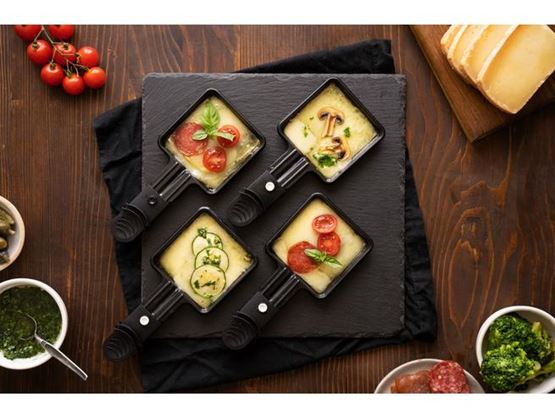
The way raclette is heated has diversified as rapidly as its ingredients. Traditionalists favour the classic demi-meule machine, which clamps a half-wheel under a radiant heater. This method produces the famous curtain of melted cheese and is still common in alpine restaurants. Home cooks often choose electric tabletop grills, with individual pans that allow guests to melt slices at their own pace. Manufacturers showcased at international food expos routinely present updated designs that improve heat distribution, energy efficiency and ease of cleaning.
There are even contemporary takes on raclette that treat it less as a rustic winter dish and more as an exercise in creative pairing. Some chefs use lighter accompaniments such as roasted vegetables, toasted grains or fresh herbs, shifting the dish toward a brighter flavour profile. Others experiment with non-traditional cheeses that still melt well, such as Morbier, Tomme Crayeuse or even washed-rind varieties from eastern France. While purists may question these adaptations, they demonstrate that raclette has become a platform for experimentation within the wider food sector.
Vegetarian and vegan possibilities in a cheese-centred tradition
Because raclette is traditionally dominated by cheese and charcuterie, newcomers often assume it is ill-suited to vegetarian diners. In practice, the dish adapts remarkably well. Mushrooms, roasted squash, broccoli, cauliflower, pearl onions and marinated courgettes all carry melted cheese beautifully. Some producers even offer herb-infused raclette cheeses specifically designed to complement vegetable dishes.
Vegan raclette, while less common, has become more credible in recent years. According to figures from the European Plant-Based Foods Association, demand for meltable plant-based cheese alternatives has grown consistently, allowing brands to develop coconut oil, potato starch or cashew-based cheeses that can withstand the gentle but persistent heat of a raclette grill. A small number of artisan producers have attempted vegan raclette wheels flavoured with white wine, nutritional yeast and alpine herbs. These remain niche, but they illustrate that raclette culture is evolving alongside the rest of the food industry sectors.
Raclette in a global context
As World Raclette Day gains momentum, it reminds the food world that comfort and craftsmanship continue to matter. Raclette’s appeal lies not only in its flavour but in the ritual it creates. It is interactive, warm, collaborative and open to reinterpretation. The presence of raclette cheeses, preparation equipment and pairing concepts at SIAL Paris reinforces the link between traditional dishes and the future-focused conversations happening at the show.
As winter settles across Europe and ski resorts fill with holidaymakers, raclette once again becomes the dish that anchors cold evenings, mountain gatherings and the friendly exhaustion that follows a day on the slopes. It has long been woven into the fabric of alpine travel, and its return each year marks the beginning of a familiar season of comfort. Whether prepared with a classic alpine wheel or a daring plant-based alternative, raclette continues to inspire. It may have begun as a pastoral necessity, but on World Raclette Day it becomes a celebration that connects people far beyond the mountains where it was born.