
CORTADILLO NORTEÑO WITH GLORIA FROM SIAL

SIAL Off highlights how culinary heritage continues to inspire contemporary food culture. While international trade shows such as SIAL Paris explore innovation within the global food industry, SIAL Off invites visitors to discover the traditions, flavours and techniques that shape food culture in the French capital and around the world through restaurant tips and recipes straight from the kitchens of the SIAL Paris team. Gloria’s recipe for Cortadillo Norteño, or Cortadillo from northern Mexico, gives a glimpse of how a dish can remain deeply rooted in regional history while continuing to resonate with modern audiences. Its appeal lies not in complexity but in the careful transformation of modest ingredients into something rich, comforting and generous.
A dish shaped by the traditions of northern Mexico
In the northern states of Mexico, including regions such as Nuevo León and Coahuila, Cortadillo has long been part of family cooking. The dish takes its name from the preparation of the meat, which is cut into medium sized cubes before being slowly simmered in a tomato based sauce.
Unlike some elaborate festive dishes, Cortadillo belongs to the repertoire of everyday meals. It is often prepared at home with ingredients that are widely available and adaptable according to the season. Its preparation reflects a culinary approach centred on practicality, patience and flavour.
At the centre of the recipe is beef suitable for slow cooking, such as chuck, shoulder or shank. These cuts become tender during gentle simmering and absorb the flavours of the sauce. As the stew cooks, the meat releases its richness into the broth, creating the depth that characterises the dish.
The preparation also demonstrates the importance of building flavour gradually. Each ingredient contributes to the final balance of the stew, producing a result that is both simple and layered.
Ingredients that define the flavour
The character of Cortadillo emerges from a combination of familiar ingredients used in Mexican home cooking.
The preparation begins with beef cubes browned in vegetable oil or lard. This initial step creates a caramelised exterior on the meat, an essential stage that develops flavour and colour. Once browned, the beef forms the foundation of the stew.
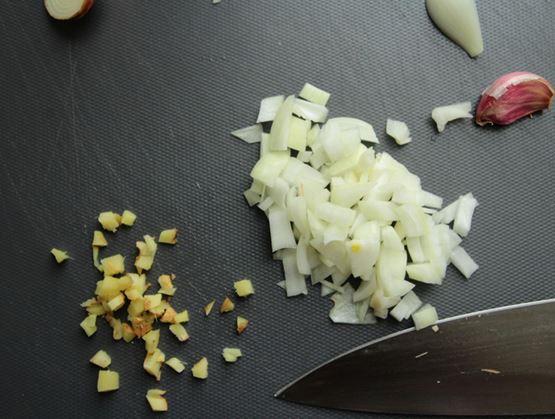
Next come the aromatic elements: white onion and garlic, sautéed until translucent. These ingredients provide sweetness and fragrance, forming the base upon which the rest of the dish is built.
The sauce is defined by ripe tomatoes, typically grilled or boiled before being blended into a smooth purée. This technique intensifies their flavour and adds acidity, which balances the richness of the meat.
To introduce freshness and mild heat, green chillies or roasted green peppers are sliced and added to the pot. In many versions of the dish, additional vegetables such as potatoes and carrots are included to create a more substantial stew.
The ingredients are brought together with beef stock or water, allowing the mixture to simmer slowly. A bay leaf may be added for aroma, while seasoning with salt and black pepper ensures the flavours remain balanced.
Together these ingredients create a sauce that is both vibrant and comforting, capturing the essence of northern Mexican home cooking.
Slow cooking and the rhythm of the kitchen
The preparation of Cortadillo highlights the value of time in cooking. After the beef has been browned and the aromatics softened, the tomato purée is added and allowed to simmer briefly until it thickens.
The vegetables and broth are then incorporated, and the stew is left to cook gently over medium low heat. While simmering, the beef gradually becomes tender while the sauce reduces and intensifies.
This method reflects a cooking tradition where dishes evolve slowly on the stove while families gather and daily routines unfold. The result is a stew whose flavours feel both deep and familiar.
A complete meal at the Mexican table
In northern Mexico, Cortadillo is rarely served on its own. Instead, it forms the centre of a complete and generous meal accompanied by classic side dishes.
One traditional accompaniment is Mexican rice, sautéed with tomato and garlic before being cooked until fluffy. Its mild flavour complements the richness of the stew.
Another essential component is refried beans, often prepared from red or black beans mashed into a smooth purée. Their creamy texture balances the hearty character of the beef.
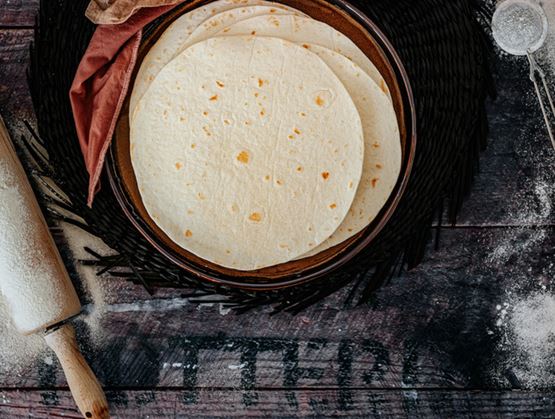
Fresh tortillas complete the meal. They allow diners to scoop up the stew or assemble small wraps filled with beef and vegetables. This combination of elements reflects the convivial nature of Mexican dining, where dishes are shared and assembled at the table.
A culinary story within SIAL Off
Recipes such as Cortadillo from Northern Mexico illustrate how SIAL Off connects gastronomy with cultural discovery. Rather than focusing solely on products or innovation, the initiative highlights the everyday culinary practices that shape food cultures around the world.
For professionals attending SIAL Paris, these recipes offer inspiration beyond the exhibition halls. They reveal how tradition, technique and local ingredients continue to influence contemporary cooking and global food narratives.
Cortadillo exemplifies this idea perfectly. Its preparation relies on simple methods and widely available ingredients, yet the result is deeply expressive of its region. In this way, the dish reflects the broader philosophy of SIAL Off: understanding food not only as a product, but as a living cultural practice.
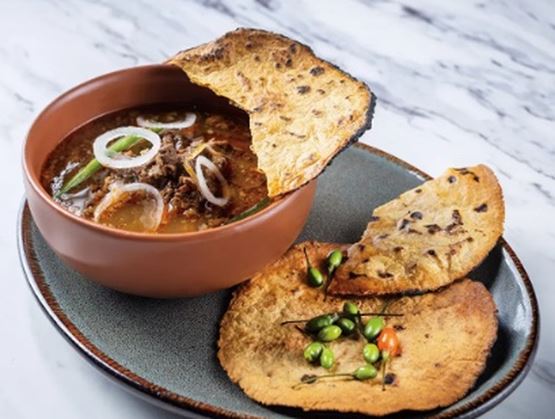
By sharing recipes such as Gloria's Cortadillo Norteño, SIAL Off encourages visitors to explore Paris, as well as the stories, traditions and flavours that define culinary identities across the globe.
Cortadillo from Northern Mexico – by Gloria from SIAL
Ingredients for 4 to 6 people
1 kg beef suitable for slow cooking (such as chuck or shoulder), cut into medium cubes
2 tablespoons vegetable oil or lard
½ white onion, chopped
2 cloves garlic, finely sliced
4 ripe tomatoes, grilled or boiled then blended (or one 400 g tin of chopped tomatoes)
2 green chillies or roasted green peppers, sliced into strips
1 large potato, peeled and diced (optional)
1 carrot, diced (optional)
250 ml beef stock or water
Salt and black pepper to taste
1 bay leaf (optional)
Method
Step 1
Heat the oil or lard in a heavy casserole dish. Add the beef cubes and brown them on all sides until lightly caramelised.
Step 2
Add the onion and garlic. Cook for a few minutes until they become translucent and fragrant.
Step 3
Pour in the tomato purée and allow it to simmer for about 10 minutes, stirring occasionally until the sauce thickens slightly.
Step 4
Add the green chillies or peppers, the potato, carrot, bay leaf and the stock. Stir well.
Step 5
Cover and simmer over medium low heat for 30 to 40 minutes, until the beef is tender and the sauce has reduced.
Step 6
Adjust the seasoning with salt and black pepper before serving.
Serve hot with Mexican rice, refried beans and fresh tortillas.
Where to discover Mexican flavours in Paris
For those wishing to explore Mexican cuisine beyond the home kitchen, several restaurants offer authentic interpretations of traditional dishes.
In Paris, establishments such as Tarantula Paris, El Nopal Paris and Mex Ik showcase Mexican culinary traditions through a variety of regional recipes and contemporary interpretations.