
FROM FERMENTATION TO AI: KEY ADVANCES IN AGRI-FOOD INNOVATION IN 2025

Across continents, 2025 is unfolding as a decisive year for food transformation. The SIAL Paris website, which monitors global developments across supply chains and emerging technologies, shows how the pace of breakthroughs has intensified. In Europe, North America, Asia and Africa, producers and researchers are rethinking ingredients, processing methods, sustainability metrics and consumer engagement. Climate pressure, regulatory change, digital acceleration and new nutritional expectations have merged into a single strategic frontier.
Within this context, agri-food innovation in 2025 captures the spirit of a sector seeking resilience and cultural relevance. From governments enforcing food sovereignty plans to start-ups developing hyper-functional beverages, the year’s innovation map reveals an industry in transformation. SIAL Paris, as a global reference for international buyers, remains a unique vantage point through which these developments can be interpreted. Whether for a launching a new line or a multinational redesigning its protein strategy, the signals emerging in early 2025 carry long-term significance.
New proteins, next-generation fermentation and the rise of climate-resilient crops
One of the most visible themes in 2025 is the radical diversification of protein ecosystems. Precision fermentation, long discussed as a future technology, is now scaling into early industrial maturity. Producers in the United States, Israel and Western Europe are generating casein, whey proteins, aromatic molecules and lipid structures that mirror their animal-derived counterparts. These ingredients, which can elevate bakery, dairy-alternative and nutrition applications, are increasingly showcased at major innovation platforms such as SIAL Paris.
Cultivated meat is progressing as well. Several Asian and Middle-Eastern countries are refining regulatory frameworks and supporting pilot-scale facilities. While commercial distribution remains limited, the technological and policy momentum of 2025 suggests that cell-based ingredients may soon expand into hybrid formulations.
Plant-based innovation continues to evolve beyond classic soy and pea. European and African researchers are studying chickpea, fava and bambara groundnut as climate-resilient crops capable of providing stable inputs. In Latin America, amaranth and cassava are reinforcing food sovereignty efforts, while in Asia, konjac, taro and sorghum are being integrated into new snack and bakery concepts.
These shifts represent more than ingredient diversification. Experts quoted on the SIAL Paris website note that regenerative agriculture is now informing product development itself. Soil-health metrics, biodiversity indicators and carbon-efficient rotations are shaping ingredient procurement and, ultimately, product formulation. This illustrates the evolution of the food processing industry, where sustainability is becoming embedded into industrial logic rather than added as a marketing layer.
Digitalisation, AI and the reinvention of consumer rituals
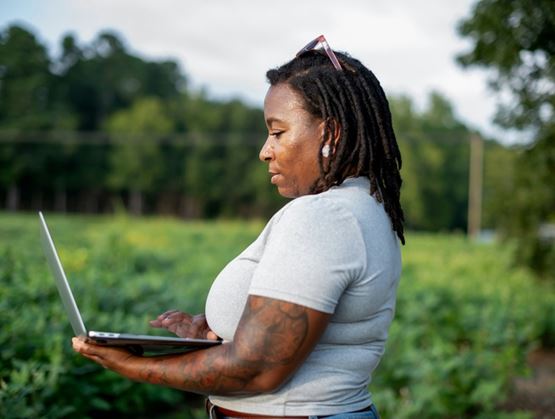
2025 is also the year artificial intelligence becomes fully operational within agri-food workflows. Manufacturers employ predictive models to reduce waste and energy usage; retailers adopt dynamic inventory management; farming cooperatives rely on sensor-driven forecasting to manage irrigation and fertilisation. As one analyst cited by SIAL Paris’ editorial team notes, “AI has moved from proof of concept to everyday infrastructure.”
The influence of digitalisation extends to consumption patterns. Functional beverages continue to dominate innovation pipelines internationally. These innovative drinks integrate botanicals, nootropics and adaptogens, appealing to younger consumers seeking mood, focus or metabolic benefits. Alcohol-free fermentation, now a mature category, reflects a broad shift in social drinking habits, especially in Europe and Southeast Asia.
Personalised nutrition is another major trend in 2025. E-commerce platforms now use algorithmic systems to recommend products based on dietary preferences, biometrics and health goals. Restaurants and hospitality services increasingly design menus that adapt in real time to local demand, pricing constraints and sustainability considerations.
Transparency remains a cornerstone of agri-food innovation. From origin mapping to water-use efficiency and carbon reporting, brands must demonstrate verifiable progress. This evolution is increasingly visible at each international food trade show, where buyers and distributors expect clarity on environmental, nutritional and regulatory aspects before initiating partnerships.
Circularity, sustainability and the geography of tomorrow’s food systems
If one theme defines agri-food innovation in 2025, it is urgency. Extreme weather patterns, supply disruptions and rising operational costs have pushed producers toward regenerative agriculture, circularity and resilient supply models. Multinational companies and small producers are now converging around soil restoration, reduced-impact farming and renewable-energy integration.
Circular design has expanded significantly this year. Upcycled ingredients derived from fruit pulp, seed husks, olive pits or brewing by-products are being stabilised for use in baking, snacking and plant-based categories. Innovations highlight how by-product valorisation is transitioning from niche markets to mainstream applications.
Packaging is entering a similar phase of reinvention. Compostable materials, bio-based polymers derived from agricultural waste and reusable logistics frameworks are gaining relevance as regulatory pressure intensifies in Europe and Asia. These transformations align with the ambitions of agri-food innovation in 2025, which emphasises lifecycle analysis, regional resilience and the integration of scientific rigour into product design.
Food innovation exhibition SIAL Paris, continues to amplify these signals. Through its conference sessions, market analyses and curated showcases, it reveals how interconnected the world’s innovation streams have become. From ingredient science to cultural gastronomy, digitalisation and climate mitigation, the event offers the industry’s most comprehensive snapshot of what the future of food may look like.
Image credits: Land o Lakes, Wakar Mudjahit (Unsplash)