
FROM TABOO TO TARGETED NUTRITION

For years, periods, premenstrual syndrome and menopause sat awkwardly at the edge of food and beverage innovation. They were rarely named directly on packs, rarely addressed in mainstream retail and often treated as subjects too sensitive for everyday product development. That is beginning to change. Women’s health is moving from a niche wellness conversation to a structured area of innovation, as brands recognise that the different stages of a woman’s life can bring distinct nutritional expectations.
The commercial signal is increasingly visible. According to Fact.MR, the menopause-targeted functional food and beverage market was valued at US$3.2 billion, in 2025 and is projected to reach US$7.7 billion by 2036, growing at a compound annual growth rate of 8.4 per cent. The wider PMS and menstrual health supplements market is also expanding, with Persistence Market Research estimating it at US$25.7 billion in 2025 and forecasting US$38.1 billion by 2032. Meanwhile, FoodNavigator-USA reported that Tastewise data showed food and beverage discussions around hormone health rising by 118 per cent over two years, with women’s health, sex drive and fertility among the fastest-growing health claims in social conversation.
From taboo to targeted nutrition
Two forces are pushing the category forward. The first is cultural. Periods, PMS, perimenopause and menopause are being discussed more openly in media, workplaces, healthcare and online communities. That visibility gives food and beverage brands more permission to speak clearly, provided they do so with care.
The second is the rise of the better-informed female consumer. Cycle-tracking apps, femtech, telehealth platforms and social media communities have made many women more aware of how nutrition, sleep, stress, digestion and energy can fluctuate across different life stages. This does not mean consumers expect food to solve medical conditions. It does mean they are more likely to look for products that fit into daily routines and feel relevant to lived experience.
This is where women’s health connects with the wider rise of targeted nutrition. Rather than treating female consumers as a single demographic, the more interesting opportunity lies in recognising specific moments: menstrual wellbeing, prenatal nutrition, perimenopause, menopause and healthy ageing. Each has different nutritional associations, sensitivities and regulatory boundaries. Treating them as one broad “female wellness” opportunity risks flattening the subject. Treating them as separate nutritional moments creates more credible room for formulation.
Ingredients with a role, not a promise
Around the menstrual cycle and PMS, the conversation often centres on everyday comfort, energy, mood and digestion. Magnesium, iron, vitamin B6, omega-3, fibre, probiotics and selected botanicals appear frequently in this space, usually alongside positioning linked to balance, recovery or routine rather than treatment.
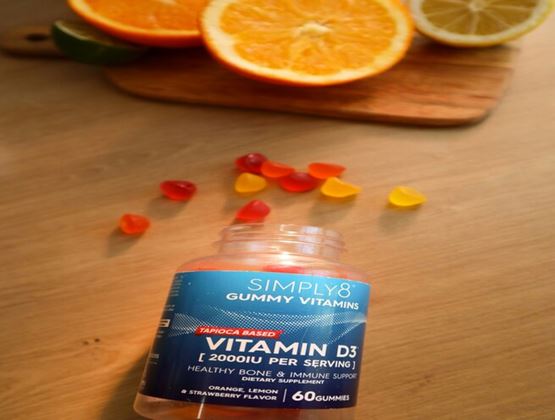
Perimenopause and menopause shift the focus. Bone health, muscle maintenance, sleep, hot flushes, digestion and metabolism become more prominent. Calcium, vitamin D, protein, omega-3 and phytoestrogens, including soy isoflavones, are common reference points. Protein is particularly relevant because muscle maintenance becomes a more important concern with age, while calcium and vitamin D sit naturally within the conversation around bone health.
The opportunity lies in formulation discipline. A fortified yoghurt, a high-protein snack, a functional drink mix or a fibre-rich breakfast product can all be designed with women’s nutritional needs in mind. Yet the category becomes fragile when products imply more than they can prove. Food can support wellbeing. It cannot be presented as a cure for PMS, menopause symptoms or hormonal conditions.
That distinction matters because women’s health is a sensitive area. Consumers may be curious, but they are also alert to overclaiming. A credible product does not need to promise hormonal transformation. It needs to show why its ingredients are there, how they fit into an everyday diet and what authorised nutritional role they can reasonably support.
Drinks, snacks and daily formats
The innovation pipeline is moving well beyond capsules. Functional beverages are one of the most visible formats, partly because they fit easily into routines and can combine hydration, flavour and added nutrients. The Cycle has developed ready-to-drink beverages positioned around PMS, periods, perimenopause and menopause, bringing menstrual wellbeing into the grab-and-go cooler rather than leaving it only in the supplement aisle. NutritionInsight reported in April 2026 that the brand was expanding its portfolio with drinks tailored to perimenopause and menopause, building a range around different hormonal stages.
Drink mixes are also gaining traction. Iris Nutrition has entered the category with electrolyte drink mixes for women’s hormone health, formulated with nutrients including vitamin B6, folic acid and magnesium, alongside a 40:1 myo-inositol and D-chiro-inositol blend. The format reflects a broader movement in functional beverages: convenient, portioned products that sit between hydration, wellness and daily supplementation.
Snacking is another route. Menopause-focused bars, protein snacks and fortified products translate the topic into familiar eating occasions. Teas and infusions offer a softer entry point, especially where botanical traditions are already part of consumer behaviour. Fermented products and probiotics also have a place, driven by growing interest in the links between gut health, mood and wider wellbeing.
The category is also reaching sports nutrition and senior nutrition. Levelle Nutrition has developed cycle-syncing protein powders, signalling how women’s hormonal health is entering performance nutrition. Vitafoods Insights described this kind of launch as part of a wider attempt to align sports nutrition more closely with women’s biology rather than relying on one-size-fits-all formats.
Retail availability is also part of the story. Bonafide Health, a women’s healthcare company offering hormone-free supplements, has expanded its non-hormonal menopause and perimenopause range into more than 1,800 Target stores in the United States, giving a formerly direct-to-consumer women’s health brand mainstream retail visibility. For the wider food industry sectors, that kind of move shows that topics once treated as private or specialist are beginning to enter everyday shopping environments.
Credibility will decide the winners
As women’s health becomes more commercial, credibility becomes the real differentiator. These subjects are personal, often under-served and still surrounded by misinformation. Brands that approach them with vague empowerment language, pink packaging or unsubstantiated claims risk looking opportunistic.
In Europe, the compliance issue is particularly important. Nutrition and health claims are governed by Regulation (EC) No 1924/2006, meaning claims must be authorised and used within approved conditions. Botanical ingredients create additional complexity. In April 2025, the Court of Justice of the European Union ruled in case C-386/23 that advertising food products with health claims relating to botanical substances is not permitted unless those claims are authorised or covered by transitional provisions.
For brands using ingredients such as black cohosh, ashwagandha or chasteberry, careful wording is not optional. The issue is not whether botanicals can appear in products, but how their presence is communicated. The same caution applies to hormone language. Terms such as “balance”, “relief” or “support” can carry different implications depending on the market, the product category and the evidence behind the formulation.
The strongest products will therefore be those built around transparency. Clear ingredient choices, responsible claims, accessible evidence and realistic positioning matter. A drink can be formulated to support hydration and contribute magnesium. A snack can provide protein and fibre. A fortified dairy or plant-based alternative can contribute calcium or vitamin D. The language must remain precise and respectful of regulation.
Women’s health is gradually becoming a strategic topic for the food industry. The opportunity is not simply to create products “for women”, but to recognise the nutritional realities that can shape daily life from adolescence to menopause and beyond. At SIAL Paris, where the global food innovation exhibition brings together brands, manufacturers, retailers and ingredient specialists, this conversation belongs at the heart of future product development. It reflects a broader shift towards targeted, inclusive and realistic nutrition, where food supports wellbeing without pretending to be medicine.
image credits:
Brooke Lark - Unsplash
Vitaly Gariev - Pexels
Maria Kozyr - Unsplash