FUNCTIONAL SNACKING TAKES OFF

- It Leverages the Global Movement Toward Wellness Tourism
Travel snacking is propelling functional food innovation as travelers increasingly seek products that support their health goals. Wellness tourism has evolved from a niche market into a commercial force worth over $1 trillion, with projections suggesting it will surpass $1.7 trillion by 2034. This surge reflects a fundamental shift in traveler expectations around maintaining or boosting personal well-being during trips.
The opportunity extends into corporate travel. With approximately 12 billion working days lost each year to anxiety and depression, corporate travel programmes increasingly prioritise mental wellness support. Hospitality brands that integrate wellness-driven food and beverage options can help satisfy customers’ needs for a stress-free travel experience.
- It Addresses Modern Travel Challenges Through Functional Foods
Functional ingredients address specific travel-related problems that resonate across business and leisure segments. Snacks that deliver sustained energy combat the notorious afternoon crash during back-to-back meetings. Products targeting jet lag recovery help international travelers adjust to new time zones faster. Cognitive focus formulations support decision-making during high-stakes business travel, while relaxation-oriented options ease anxiety.
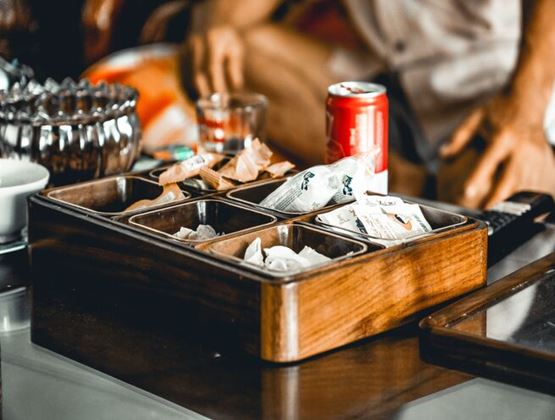
Hospitality brands differentiate themselves by providing innovative snacking solutions that enhance the guest experience at multiple touchpoints. Airport lounge operators stock adaptogenic snacks to help manage pre-flight stress. Hotels position nootropic bars as minibar premiums. Conference centers offer gut-health-focused options. For suppliers with specialised portfolios, each of these touchpoints signals a high-yield procurement opportunity.
- It Masters the Procurement Strategy for On-the-Go Wellness
A smart procurement strategy determines which suppliers capture this wellness travel opportunity. Here are some emerging initiatives that appeal to various target markets.
Portable and Sustainable Snack Packaging Solutions
Operational considerations shape procurement decisions as much as nutritional profiles do. Hotel buyers and travel operators need products that simplify inventory management, minimise storage footprint and ensure consumption convenience. Travel-ready formats like single-serve pouches, resealable bars and portion-controlled containers address these operational requirements while meeting sustainability expectations.
Eco-conscious packaging has transitioned from differentiator to baseline requirement. Procurement teams prioritise suppliers offering compostable wrappers, recyclable materials and minimal plastic use. These packaging decisions directly impact both operational efficiency and guest perception of brand values, elevating format selection to a strategic decision.
In-Room Amenity Offerings
Premium hospitality is defined by seamless, thoughtful in-room experiences. The minibar and in-room amenity space represent a critical opportunity to deliver integrated nutrition solutions that guests associate with thoughtful hospitality. The best custom coffee pod options for hotel chains complement these functional snacking programmes.
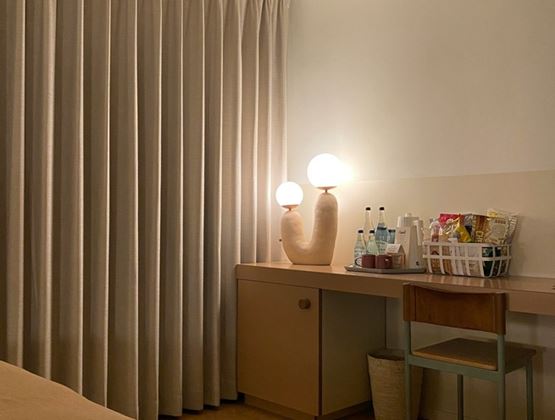
Specialised suppliers enable hotels to deliver these premium experiences at enterprise scale. For instance, brands like Pod Pack work with hotel chains to develop custom, private-label coffee solutions that pull perfect espresso shots in 18 to 23 seconds, positioning in-room coffee as a craft experience. These beverage programmes pair with functional snacks to create complete wellness-oriented food and beverage (F&B) offerings that elevate guest satisfaction.
Snacks With Functional Benefits
B2B buyers optimise portfolio performance by aligning sourcing strategies with distinct guest need-states. Energy-boosting products cater to morning routines and afternoon productivity, while relaxation formulations complement evening wind-down rituals. For business travelers, focus-enhancing snacks offer targeted support ahead of high-stakes meetings and presentations.
This need-state framework enables procurement teams to build comprehensive offerings that serve diverse guest profiles. Data-driven decision-making can help hotels select products that align with actual consumption patterns rather than assumed preferences.
How Leading Hotel Brands Curate Functional F&B Programmes
These real-world examples illustrate how procurement decisions translate into competitive differentiation.
Marriott's Focus on Chef-Curated Wellness Experiences
Marriott's Wailea Beach Resort demonstrates holistic implementation through its wellness programme. The property integrates health-forward, chef-curated snacks and beverages directly into exclusive wellness-focused amenities, with offerings that help guests rejuvenate through thoughtfully sourced ingredients. Transparency in ingredient sourcing enhances trust and reinforces the property's wellness positioning.
Hilton's Strategy for In-House F&B Innovation
Hilton takes a proactive innovation approach through its STiR creative collective, an internal team designing future F&B concepts, including revolutionary gourmet grab-and-go and retail snacking experiences. This investment signals that major hospitality operators view functional F&B as central to competitive positioning. The initiative emphasizes wellness and personalisation, establishing procurement criteria that prioritise innovation-forward suppliers capable of supporting custom development.
How to Capitalise on the Future of Travel Snacking
New market trends are transforming how hospitality professionals approach sourcing and procurement. As the wellness travel movement accelerates, hotels and suppliers must anticipate and act on the shifts shaping guest expectations and product demands. Key opportunity areas include:
- AI-driven personalisation: Hotels are leveraging artificial intelligence to curate minibar selections based on individual guest profiles and previous preferences, increasing guest satisfaction and spend.
- Sleep and recovery-focused products: Snack innovations targeting sleep quality and physical recovery are gaining momentum, giving properties a competitive edge for wellness tourism dollars.
- Next-level sustainability and sourcing: Buyers increasingly prioritise transparent sourcing and regenerative ingredients, moving beyond packaging to focus on responsible agricultural practices.
Implementing Successful Strategies in Hospitality Procurement
The wellness travel movement represents a significant commercial opportunity, but capturing its full value requires strategic procurement that balances function, quality and guest experience. Hospitality buyers who prioritise supplier partnerships built on custom development, operational feasibility and brand alignment will set the pace in this evolving category.
Image credits - cottonbro studio